
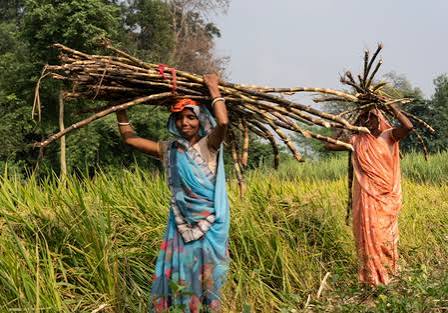
The financial assistance is part of the Centre’s continued effort to promote grassroots democracy and strengthen rural local bodies through enhanced fiscal support.
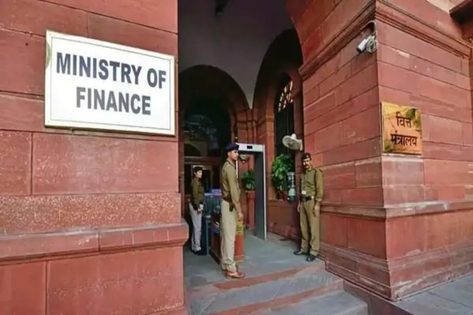

The release of XV Finance Commission grants follows a structured process. The Ministry of Panchayati Raj and the Ministry of Jal Shakti, particularly the Department of Drinking Water and Sanitation, recommend the allocation of funds for Rural Local Bodies.
Based on these recommendations, the Ministry of Finance disburses the grants to the states. The grants are typically released in two installments during a financial year, ensuring accountability and performance-based monitoring.
Untied and Tied Grants Explained
The XV Finance Commission grants are divided into Untied and Tied components. The recently released ₹275 crore falls under the Untied Grants category.
Untied Grants provide flexibility to Panchayati Raj Institutions to address location-specific needs. These can be utilized for activities listed under the 29 subjects mentioned in the Eleventh Schedule of the Constitution. However, these funds cannot be used for salaries or other establishment-related expenses.
This flexibility enables Gram Panchayats and other rural bodies to respond to pressing local development priorities such as rural infrastructure, community assets, and welfare-oriented initiatives.
On the other hand, Tied Grants are earmarked for essential civic services. These include sanitation, maintenance of Open Defecation Free (ODF) status, management of household waste, and safe disposal and treatment of human excreta and fecal sludge.
Tied funds also support drinking water supply projects, rainwater harvesting systems, and water recycling initiatives, thereby improving the quality of life in rural communities.
Boost to Rural Governance in Jharkhand
With over 4,300 Gram Panchayats set to benefit, the grant is expected to significantly enhance grassroots governance in Jharkhand. Strengthened financial resources will allow rural local bodies to implement development projects more efficiently and address long-standing local issues.
The infusion of funds also reinforces the constitutional mandate of decentralisation by empowering Panchayati Raj Institutions with greater fiscal autonomy. By enabling local decision-making, the government aims to improve service delivery and ensure inclusive rural development.
Jharkhand, with its diverse tribal and rural population, stands to gain considerably from this targeted financial support. Improved sanitation systems, better drinking water facilities, and strengthened rural infrastructure are among the anticipated outcomes.
The Centre’s continued commitment to strengthening PRIs reflects the broader vision of cooperative federalism and sustainable rural development. As the financial year progresses, monitoring and effective utilisation of funds will be crucial in translating allocations into tangible benefits for citizens.