
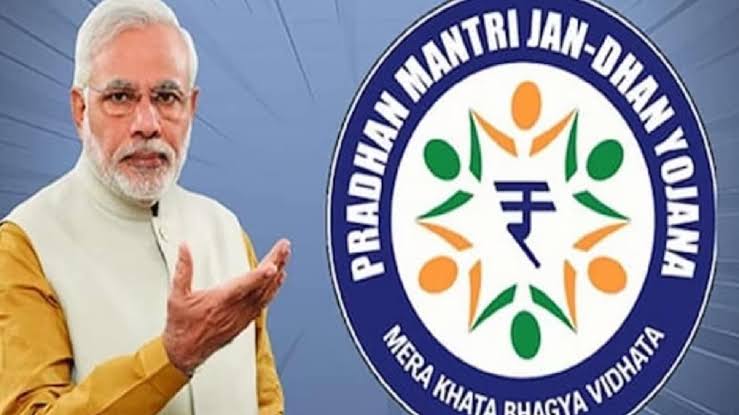

The PMJDY was launched on August 28, 2014, with the aim of ensuring universal access to banking facilities. The scheme provided basic savings accounts, debit cards, access to credit, insurance, and pension opportunities to those who were previously excluded from the financial system. Within months, millions of bank accounts were opened, creating what is considered the world’s largest financial inclusion initiative.
Over the past decade, the scheme has played a vital role in direct benefit transfers (DBTs), ensuring government subsidies and welfare funds reached beneficiaries without leakages. This reduced middlemen involvement and boosted transparency in the delivery of public services.
Empowering the Last Mile
Prime Minister Modi highlighted how the scheme empowered the poorest and most marginalized. By giving them access to a bank account, people gained not only a financial identity but also an entry point into broader economic opportunities. “From financial exclusion to empowerment, Jan Dhan has transformed lives across India,” he added in his social media post tagged with #11YearsOfJanDhan.
The scheme has also strengthened women’s participation in household financial decisions, improved savings habits, and provided a safety net during times of crisis such as the COVID-19 pandemic when relief funds were directly transferred to beneficiaries’ accounts.
Looking Ahead
As PMJDY completes 11 years, it remains central to India’s vision of inclusive growth. Experts note that continued digital integration, financial literacy drives, and expanded credit access under the scheme will be crucial in bridging remaining gaps. With its proven impact, PMJDY is expected to keep shaping India’s socio-economic landscape in the coming years.