 Why the Reform Was Needed
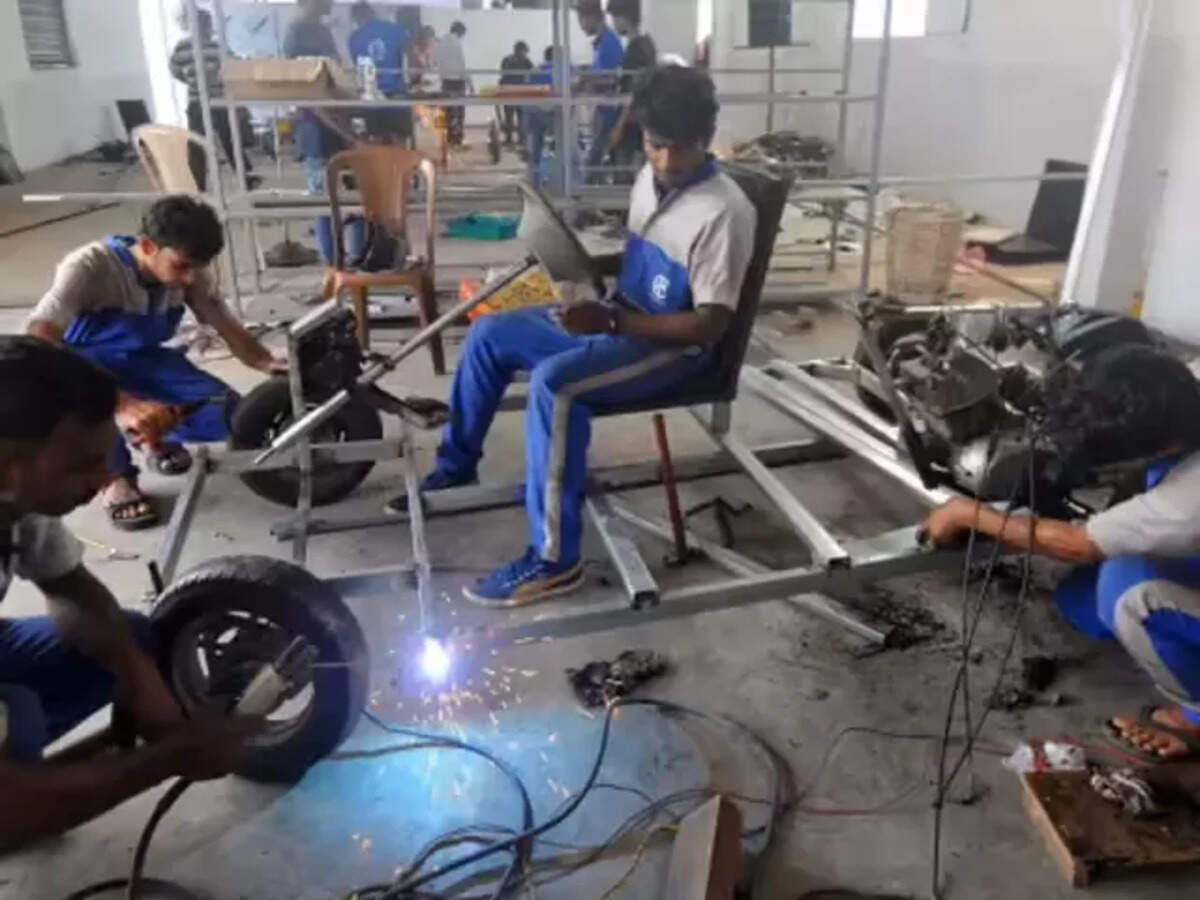
Traditionally, ITI trainees received most of their instruction using tools and machinery available within campus workshops. While foundational, this approach often limited exposure to real-world industrial practices and emerging technologies.
As a result, many trainees required additional training after joining industries. Recognising this gap, the government restructured the CTS curriculum in alignment with the National Education Policy (NEP) 2020.
The annual training duration was reduced from 1,600 hours to 1,200 hours. Within this revised framework, 150 hours of mandatory OJT or a structured Group Project was introduced to ensure industry-integrated learning.
Minister Emphasises Industry Readiness
Shri Jayant Chaudhary, Minister of State (Independent Charge) for Skill Development and Entrepreneurship and Minister of State for Education, described the move as a transformative step.
He said structured workplace exposure is essential in a rapidly evolving industrial landscape. Classroom instruction alone, he noted, cannot build the practical competence and professionalism required in today’s job market.
The Minister added that the government’s objective is not merely to issue certificates but to equip youth with skills aligned to real industry needs. He linked the initiative to the broader vision of “Skilled India, Developed India.”
How the OJT System Will Work
Under the new guidelines, every ITI trainee must complete either OJT in an industry or a trade-related group project if industry placement is not feasible.
Trainees become eligible for OJT after completing at least three months of institutional training. Industry mentors will supervise the training, and performance will be evaluated regularly.
Each trainee must maintain a detailed logbook documenting daily activities and skills acquired. Final assessment will include mentor evaluation, logbook review and a viva during practical examinations. The grade obtained will be reflected in the final marksheet.
On successful completion, the ITI will issue an industry-approved certificate, enhancing the trainee’s employability.
Safety and Grading Provisions
To ensure trainee safety, state directorates may provide accidental group insurance coverage. Where OJT is conducted at distant industrial locations, arrangements for travel and accommodation may also be considered.
The government has indicated that OJT implementation will be incorporated into the Data Driven Grading Methodology (DDGM), making it a key performance parameter for ITIs.
For trainees enrolled under the Dual System of Training (DST), mandatory project work has been prescribed instead of OJT, as they already receive extensive industry exposure.
Strengthening the Skill Ecosystem
DGT has instructed all State Skill Development Departments, National Skill Training Institutes (NSTIs) and Regional Directorates of Skill Development and Entrepreneurship (RDSDEs) to identify suitable industry partners and ensure quality training opportunities.
The Craftsmen Training Scheme, launched in 1950, has played a foundational role in developing India’s skilled workforce. With certification support from the National Council for Vocational Education and Training (NCVET), the scheme continues to provide employment-oriented training to millions of youth.
Officials say this reform will deepen industry–institution collaboration, ensure continuous skill assessment in real work environments, and help trainees transition smoothly into the workforce.
The initiative is expected to significantly enhance employability outcomes and reinforce the Skill India Mission by making ITI training more practical, industry-focused and future-ready.