
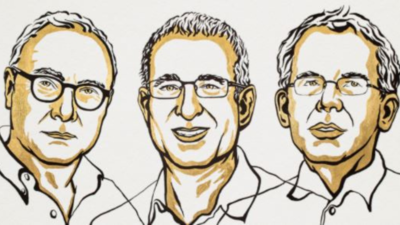

In a seminal 1992 paper, Aghion and Howitt outlined the concept of “creative destruction,” where outdated technologies and firms are replaced by new innovations. This process, they argued, fuels productivity, efficiency, and sustained economic growth. By continuously replacing old methods, economies can maintain competitiveness and expand over time.
Mokyr’s Historical Perspective
Joel Mokyr emphasized the historical and institutional dimensions of technological progress. His research shows that innovation is not solely the outcome of scientific discovery; cultural, social, and institutional frameworks are equally critical in spreading knowledge and applying it effectively.
Policy Implications for Modern Economies
Experts suggest that supporting innovation through effective policies, research incentives, and strong institutions is essential for future growth. “Innovation alone is not enough; governments and societies must foster environments where ideas can thrive and be commercialized,” said Partha Chatterjee, Dean of Academics at Shiv Nadar University.
Relevance in the Current Era
As economies enter a new era dominated by AI, digital platforms, and advanced manufacturing, the principles outlined by the Nobel laureates remain highly relevant. Encouraging entrepreneurship, R&D investments, and institutional support will ensure that nations can harness technological change for inclusive and sustained growth.
Expert Insights
Partha Chatterjee noted that policymakers must balance innovation with social equity. “While creative destruction drives progress, we must mitigate disruptions that may disproportionately affect workers in obsolete sectors,” he said.
The 2025 Nobel Prize serves as a reminder that innovation, coupled with strong institutions, is the key to long-term economic prosperity.