
Ancient Discovery in Assam Coalfield
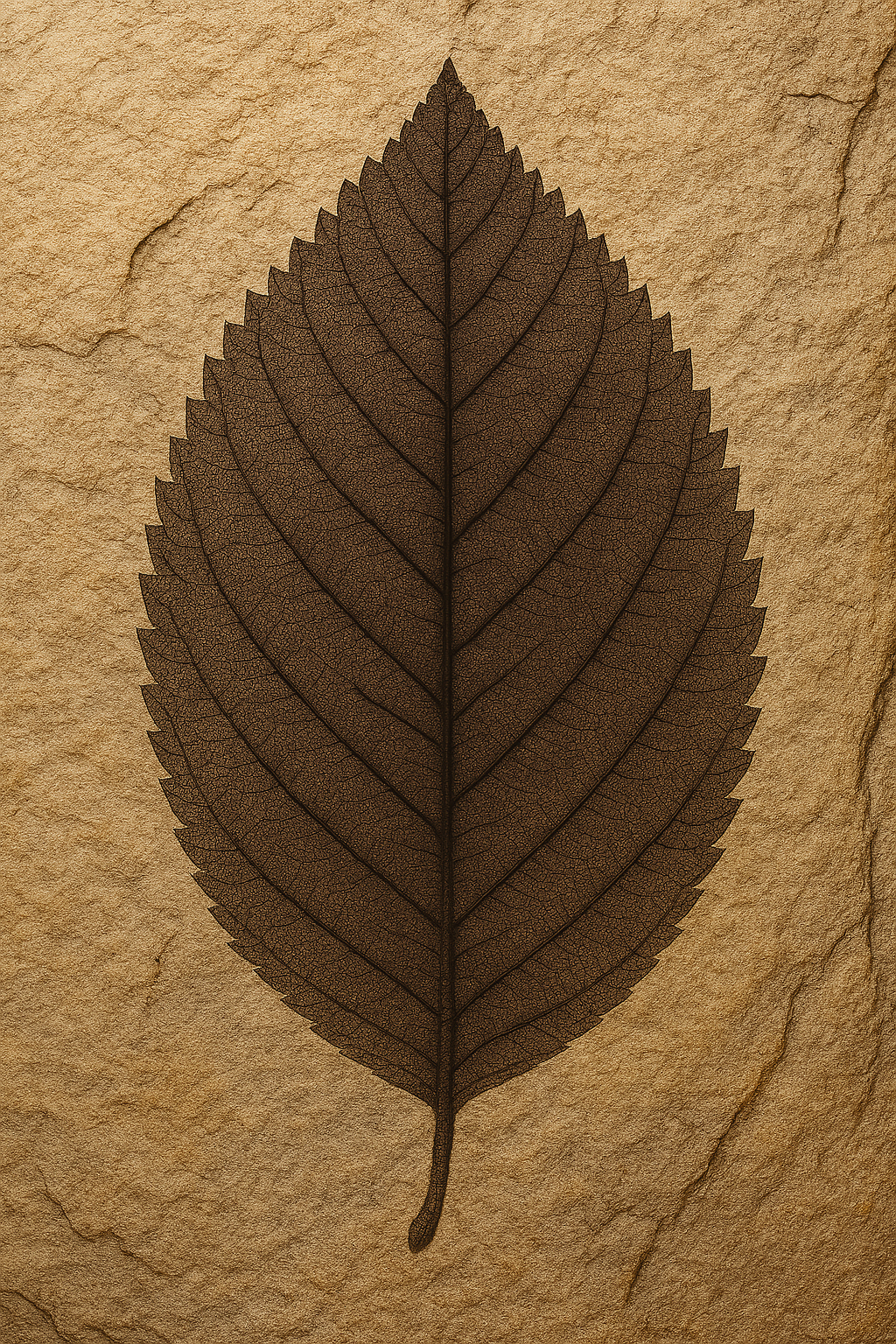

Using morphological analysis, herbarium comparison, and cluster data techniques, researchers matched the fossils to Nothopegia. These are the oldest fossil records of this plant genus ever found.
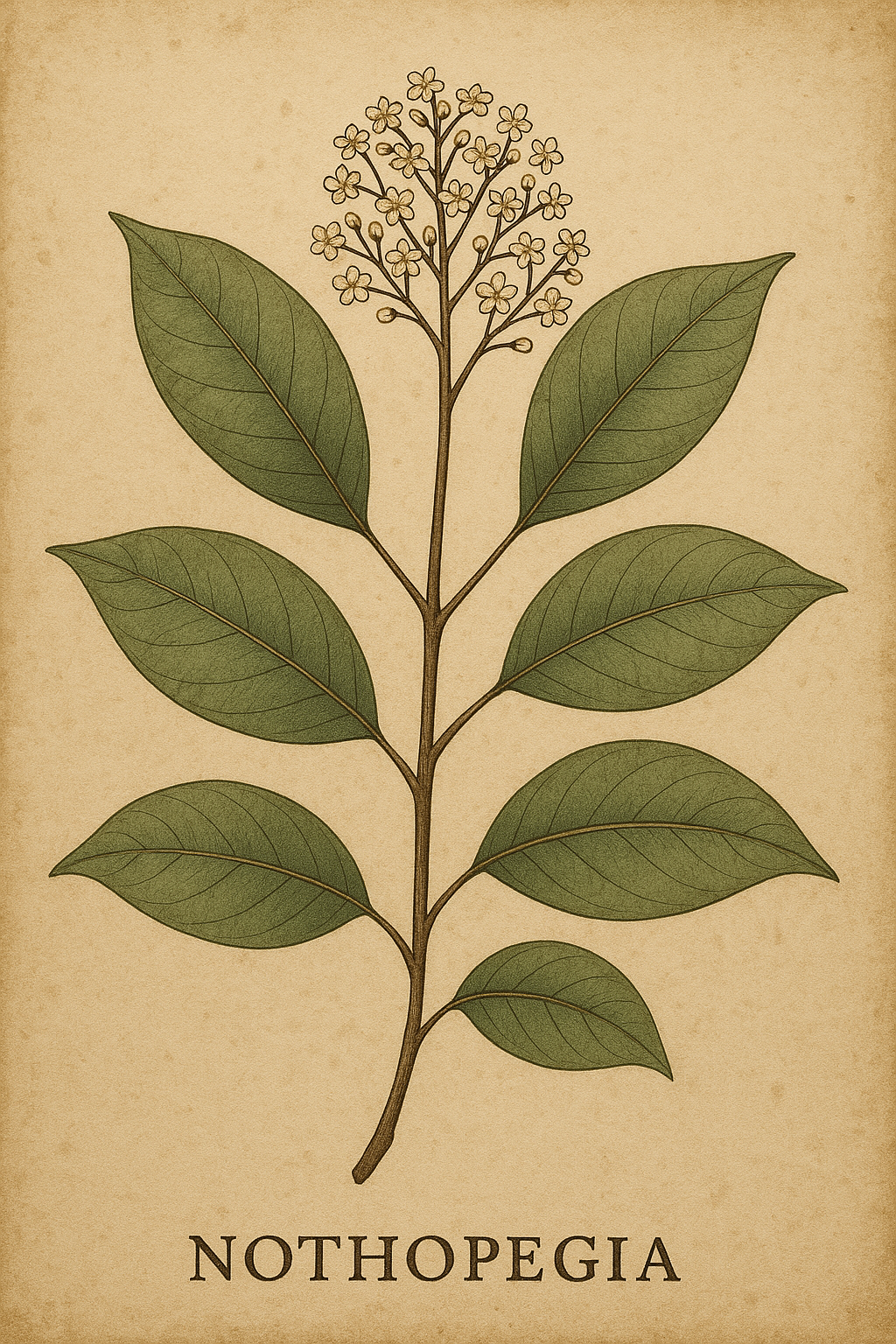
Nothopegia, today native to the rainforests of the Western Ghats — a UNESCO World Heritage Site — once thrived in northeast India.
Why Nothopegia Disappeared from Northeast
The answer lies in ancient climate change. Scientists used the CLAMP (Climate Leaf Analysis Multivariate Program) to reconstruct a once warm and humid climate in northeast India — ideal for Nothopegia.
Over time, the rise of the Himalayas due to tectonic activity altered the region’s climate. Colder, drier conditions replaced tropical ecosystems, forcing species like Nothopegia to migrate or perish.
How Nothopegia migrated from northeast India to the Western Ghats due to changing climate over 24 million years.
A Relic of India’s Ancient Ecology
Nothopegia found refuge in the Western Ghats, where the climate remained stable for millions of years. Today, it survives as a relic of a bygone tropical past.
This remarkable fossil trail tells us how India’s ancient landscapes supported life now found in distant regions. The study, published in the Review of Palaeobotany and Palynology, reflects a multidisciplinary approach combining palaeobotany, systematics, and climate science.
Climate Lessons from the Past
The study highlights a pressing message — climate-driven extinction and migration are not new. However, today’s climate change is human-driven and much faster.
“This fossil discovery is a window into the past that helps us understand the future,” said Dr. Harshita Bhatia, a co-author of the study.
Learning from species like Nothopegia can help us prepare for plant migration patterns and biodiversity loss under global warming. It also emphasizes the need to protect natural refuges like the Western Ghats.