
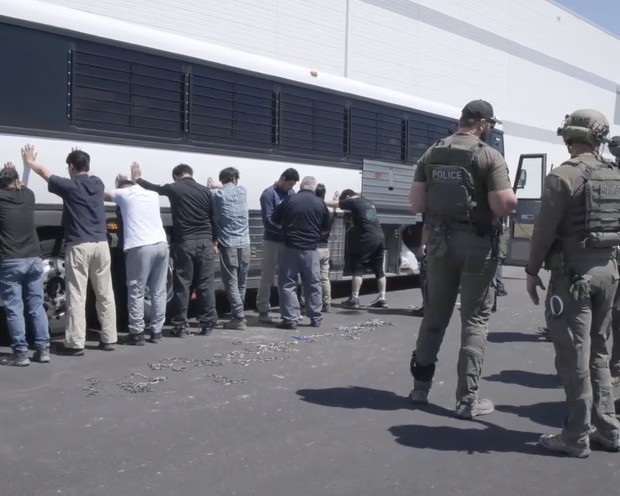
Mass Detention at Hyundai-LG Plant
The raid, conducted in the town of Ellabell, was the largest single-site immigration enforcement operation carried out under President Donald Trump’s administration. US authorities detained workers on Thursday, showing images of dozens in handcuffs and chains being transported on buses. The sudden operation shocked Seoul and drew swift diplomatic intervention.
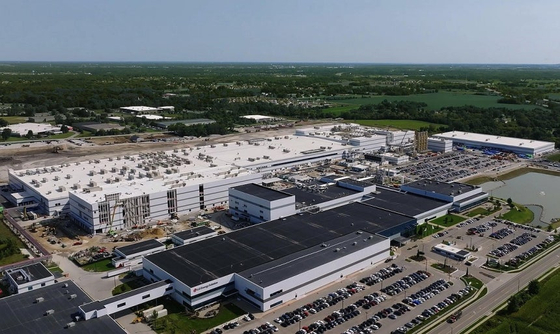

Kang Hoon-sik, chief of staff to South Korea’s President Lee Jae Myung, said on Sunday that talks had successfully concluded. “As a result of the swift and united response, negotiations for the release of the detained workers have been concluded. Only administrative procedures remain. Once these are completed, a chartered flight will depart to bring our citizens home,” he stated.
Companies Step In
LG Energy Solution, a key partner in the plant, confirmed that 47 of its employees had been arrested, including 46 South Koreans and one Indonesian national. The company added that most of those detained — around 250 workers — were employees of contractors engaged at the site. Senior LG executive Kim Ki-soo traveled to Georgia on Sunday to help secure their release, stressing that the company’s “immediate priority is the swift release of both LG Energy employees and those of our partner firms.”
Diplomatic Fallout
The raid caught South Korean officials by surprise, straining diplomatic relations with Washington. The government in Seoul scrambled to manage the crisis, emphasizing that most of the detained workers were in the US legally under corporate arrangements. Analysts noted that the move reflects the Trump administration’s tougher stance on immigration enforcement, which has affected multinational projects and foreign workers in the US.
What Happens Next
Once administrative clearances are completed, South Korea plans to fly the released workers back on a chartered plane. While this outcome prevents a prolonged standoff, questions remain over the future of Korean participation in large-scale industrial projects in the US. Observers say the incident could spark new discussions between the two allies on protecting foreign workers under bilateral agreements.
The case also highlights the vulnerabilities of global labor mobility at a time when cross-border projects are expanding rapidly in sectors like electric vehicles and renewable energy.