
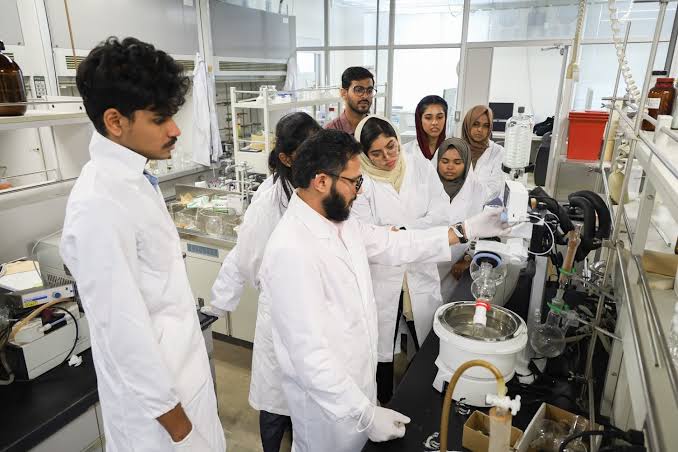


The Sakura Science Programme, launched by the Japan Science and Technology Agency (JST) in 2014, aims to broaden horizons of young learners by exposing them to cutting-edge science, technology, and Japanese culture. India became a part of the initiative in 2016, and since then, over 639 students and 93 supervisors have participated. The current batch will visit Japan from August 17 to 23, joining peers from Egypt, Ghana, Kenya, Nigeria, South Africa, and Zambia.
According to the Press Information Bureau, the programme reflects the vision of India’s National Education Policy (NEP) 2020, which emphasizes holistic, enjoyable, and experiential learning. By integrating exposure to scientific advancements with cultural understanding, the initiative helps nurture the next generation of global innovators.
Inspiring Words from Shri Sanjay Kumar
Addressing the students, Shri Sanjay Kumar described the visit as a “golden opportunity” to learn from one of the world’s most technologically advanced nations. He encouraged them to greet people with a traditional “Namaste,” showcasing India’s cultural pride on an international platform.
He urged the students to observe Japan’s punctuality, discipline, and commitment to cleanliness. Quoting the saying “time and tide wait for none,” he highlighted how time management is central to Japanese society. Kumar also underscored Japan’s economic progress and cultural heritage as models to draw inspiration from, while reminding students to cherish and take pride in India’s own rich traditions.
Students as India’s Young Ambassadors
The Secretary emphasized that the 34 selected students are not just learners but also “young ambassadors of India.” He encouraged them to make friends, exchange knowledge, and absorb best practices in science, technology, and cultural behavior during their week-long stay.
“Japanese cherry blossoms are a sight to behold, but equally impressive is how the people maintain their environment with pride. Learn from them, adopt their best practices, and bring those lessons home,” Kumar told the students.
Strengthening India-Japan Ties
The Sakura Science Programme is more than just an academic exchange. It reinforces India-Japan ties, particularly in science, technology, and education. By fostering direct engagement between young learners and Japanese institutions, the programme is expected to create long-term goodwill and future collaborations in research and innovation.
Experts note that such exchanges help students build confidence, global awareness, and adaptability—qualities essential for success in the 21st century. With increasing cooperation between India and Japan in fields like digital technology, robotics, and green energy, these experiences will help nurture a generation of leaders who can contribute to both nations’ progress.
Looking Ahead
This year’s delegation joins a growing legacy of Indian students who have benefitted from the Sakura Science experience since 2016. As they embark on this journey, the young scholars carry with them the hopes of their schools, families, and the nation. Their exposure to Japanese culture, discipline, and innovation is expected to inspire them to contribute meaningfully to India’s future growth story.