
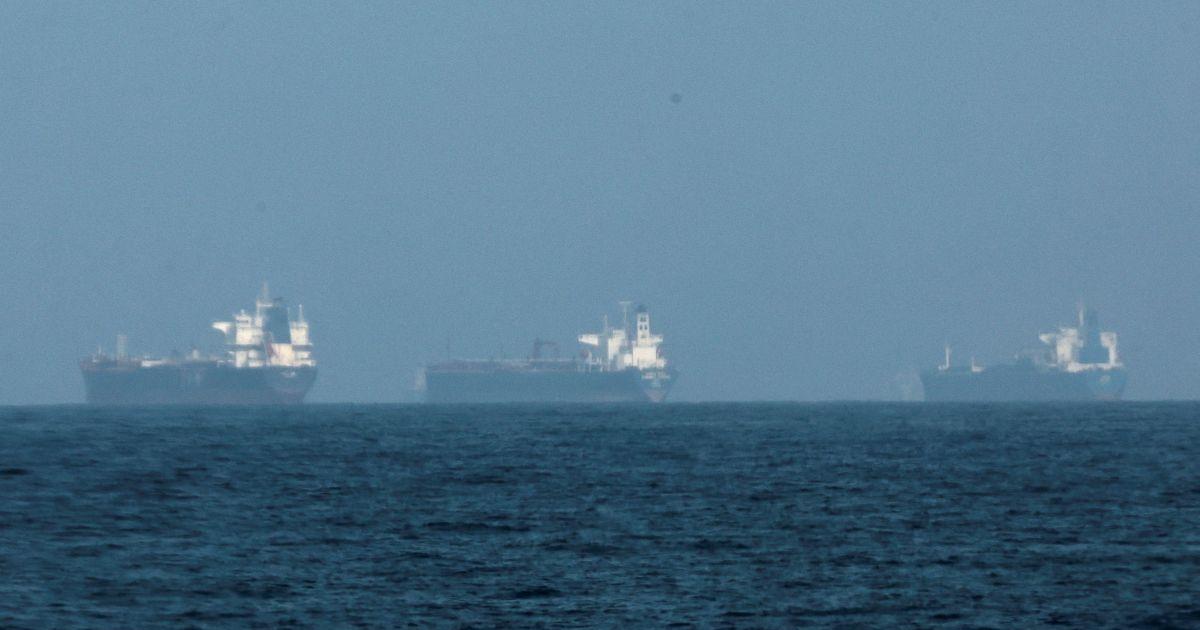

Shipping authorities report that 24 ships are stranded west of the Strait of Hormuz and 14 to the east. The region has seen attacks that damaged at least five tankers, while 150 vessels remain immobilized near key maritime chokepoints. Indian seafarers’ safety remains the government’s top priority, as India is the world’s third-largest supplier of seafarers, after the Philippines and China.
Government Response
Shipping Minister Sarbananda Sonowal chaired a review meeting to assess the situation and instructed officials, including the Director General of Shipping, to ensure the security and welfare of Indian maritime personnel. According to DG Shipping, no confirmed incidents of detention or boarding occurred involving Indian-flagged vessels. Four incidents involving Indian seafarers on foreign ships resulted in three deaths and one injury.
Trade Disruption and Economic Impact
The crisis has disrupted shipping routes, forcing container lines to suspend services to West Asia and reroute vessels via the Cape of Good Hope. This has increased transit times, operational costs, and congestion at Indian ports. Around 1,000 containers are currently delayed, affecting shipments of agricultural goods including bananas, pomegranates, watermelons, and onions.
Maritime Safety Measures
Shipping executives and port authorities are coordinating to minimize disruption. Vessels bound for the Gulf are being rerouted through ports like Fujairah, Sohar, and Khor Fakkan, from where cargo is transported by land. Indian authorities continue monitoring the situation closely to ensure the security of seafarers and maritime assets in the conflict-hit region.