
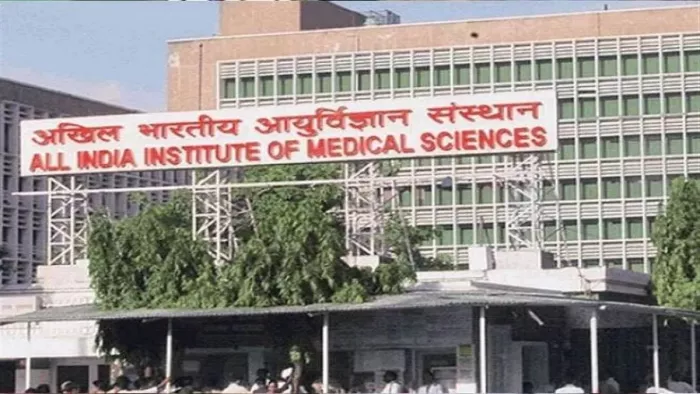
429 Doctors Quit AIIMS in 3 Years; 1/3 Posts Vacant
New Delhi: India’s premier medical network is facing a retention crisis. Government data tabled in Parliament show that 429 doctors resigned from 20 AIIMS between 2022 and 2024. The exits add to existing gaps. Nearly one in three faculty posts across AIIMS remain vacant, including at the Delhi campus.
Delhi Leads Resignations; New AIIMS Also Hit
AIIMS Delhi saw the most departures at 52 resignations. AIIMS Rishikesh followed with 38. Raipur reported 35, Bilaspur 32, and Mangalagiri 30. These numbers point to a broad trend. Older and newer AIIMS alike struggle to keep senior faculty and specialists.
The impact is visible on wards and in classrooms. Teaching loads rise. Clinical queues grow. Research time shrinks. Patients, students, and trainees feel the strain.
Vacancies Stretch from Delhi to Tier-II Cities
Vacancies run deep. AIIMS Delhi has 1,306 sanctioned faculty posts. 462 are vacant, or about 35%. AIIMS Bhopal has 71 vacancies (23%). AIIMS Bhubaneswar has 103 vacancies (31%). Other campuses report gaps in the 20–35% band. Many non-faculty roles are also open. Nurses, OT technicians, and support staff are short in several units.


Doctors cite three main triggers. Pay gaps with the private sector are wide. Some report four to ten times higher pay outside. Workloads rise as hospitals get busier. Protected research time, they say, is scarce. The result is burnout. Specialists look for better balance and growth.
Faculty also point to slow hiring cycles. Vacant posts linger. Promotions move late. Lab upgrades take time. These frictions add up and push talent out.
Govt Response: Contract Hiring and Visiting Faculty
The Union government has rolled out stopgap steps. New AIIMS can hire retired faculty on contract—professors, additional professors, and associate professors—up to age 70. A visiting faculty scheme allows senior academics from Indian and overseas institutions to teach at new AIIMS. The aim is clear. Keep classes running and clinics staffed while regular recruitment continues.
Officials also highlight ongoing expansion of medical education seats and allied training. The National Medical Commission (NMC) has issued norms to add capacity while maintaining standards. These moves, though, take time to reflect on the ground.
Patients and Students Bear the Immediate Cost
Shortages hit high-dependency units first. Subspecialty clinics see fewer slots. Wait times rise in OPDs. Surgeries may get rescheduled. For students, fewer mentors mean less bedside teaching. Residents face tighter rotas and longer shifts. Research projects slow. Publications slip. The ecosystem loses momentum.
What Could Help: Fast Hiring, Research Support, Clear Careers
Experts suggest practical fixes. First, speed up faculty recruitment and streamline promotions. Second, ring-fence protected research hours with lab support and grants. Third, improve housing and childcare at campuses to aid retention. Fourth, enhance sabbatical and exchange programs to keep skills current. Finally, tie new AIIMS to mentor hubs for shared services and tele-teaching.
Big Picture: Expanding AIIMS Needs a Talent Engine
India invested in the AIIMS network to widen access to tertiary care. The model depends on talent. Growth demands aggressive recruitment, fair pay structures within public norms, and strong research incentives. Quick fixes can stabilize services. Long-term reforms will decide outcomes.