
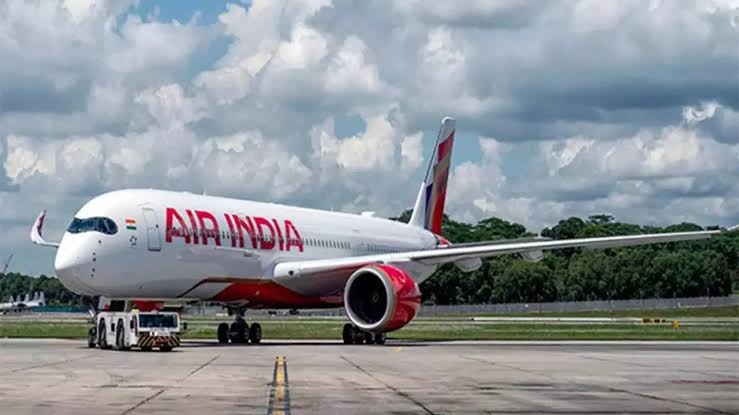
New Delhi: India’s aviation sector faced major disruption on March 1 as 444 flights were cancelled due to escalating tensions in West Asia and continued airspace restrictions over Iran and neighbouring regions.
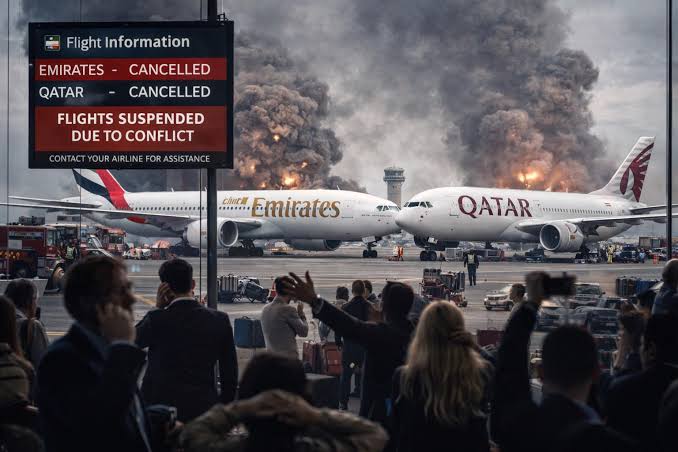

The aviation ministry said authorities are closely tracking developments and coordinating with airlines, airports and regulators to minimise inconvenience to passengers.
The Directorate General of Civil Aviation (DGCA) is in constant contact with operators to ensure safety compliance and operational preparedness. Senior officials have been deployed at major airports to manage potential diversions and handle crowd control efficiently.
Passengers have been advised to check flight status directly with airlines before heading to the airport. The ministry also confirmed that its Passenger Assistance Control Room (PACR) remains fully operational to address grievances.
On February 28 alone, AirSewa recorded 216 passenger complaints, out of which 105 were resolved the same day, according to official figures. Authorities have assured prompt assistance to affected travellers.
Air India Cancels 28 International Flights
National carrier Air India announced the cancellation of 28 international flights scheduled for March 1. These include routes connecting Delhi, Mumbai and Amritsar to major global hubs such as London, New York, Toronto, Frankfurt and Paris.
Flights between Delhi and London (Heathrow), Mumbai and London (Heathrow), Amritsar and London (Gatwick), Delhi and New York (JFK), Mumbai and Newark, Delhi and Chicago (via Vienna), and Delhi and Toronto (via Vienna) were among those affected.
The airline had earlier suspended services to several Middle East destinations until 11:59 PM on March 1, emphasising that passenger safety remains its highest priority. Affected travellers are being offered rebooking options or full refunds.
IndiGo and Gulf Routes Hit
IndiGo also issued a travel advisory stating that it is closely monitoring developments across Iran and surrounding airspace. The airline indicated that further adjustments may be made depending on security updates.
Airports in Kerala witnessed visible disruption, with services from Kochi to Doha, Dubai, Ras Al Khaimah and Abu Dhabi either cancelled or delayed. Qatar Airways temporarily suspended operations following the closure of Qatari airspace.
Major international airports across India, including Delhi and Mumbai, have been placed on high alert to manage emergency landings and flight diversions.
High-Level Review Meeting Conducted
The Aviation Minister conducted a high-level review meeting via video conference with officials from the Airports Authority of India (AAI), DGCA, airline operators and airport authorities.
Discussions focused on passenger safety, uninterrupted airport operations and real-time coordination. Airlines were directed to closely track international airspace advisories and implement rerouting strategies aligned with global aviation safety standards.
The ministry is also coordinating with the Ministry of External Affairs to address concerns involving Indian nationals or carriers operating abroad.
Impact on India-Europe Air Corridor
The closure of key airspace segments over Iran has significantly impacted the India-Europe air corridor, one of the busiest international aviation routes. Airlines are now forced to take longer detours, increasing fuel costs and operational strain.
Aviation experts warn that prolonged restrictions could lead to fare hikes and further schedule disruptions if tensions continue to escalate.
As the geopolitical situation remains volatile, authorities have urged passengers to stay updated through official airline channels and avoid relying on unverified social media reports.q