
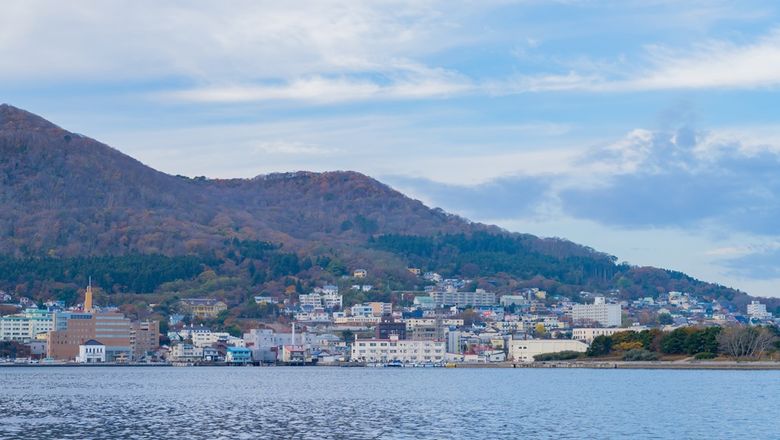
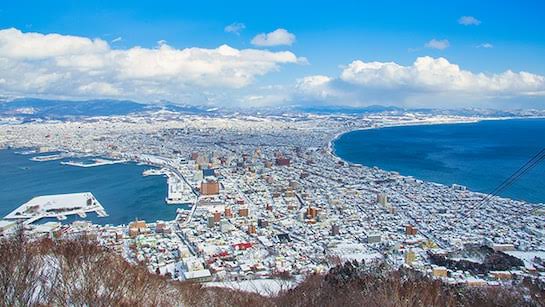

Local broadcasters and national agencies relayed JMA instructions to affected prefectures and coastal towns. While early reports focused on precautionary evacuations and tide monitoring, emergency officials urged people to avoid shoreline areas and marinas until authorities confirm the all-clear. Several prefectural governments activated disaster-response centres to track sea-level changes and coordinate rescues if needed.
Nuclear plant safety checks
Public broadcaster NHK and other outlets reported that nuclear power plants in the region were conducting safety inspections and monitoring systems for abnormal readings. Japan’s regulatory and plant operators routinely perform seismic safety checks after strong quakes; such protocols include automatic shutdown triggers and checks on cooling and containment systems. No confirmed reports of nuclear damage had emerged in the immediate aftermath.
Historical context and preparedness
Japan sits along the Pacific “Ring of Fire” and has recurring seismic activity. The 2011 Tōhoku earthquake and tsunami remains the country’s benchmark disaster, underlining why even mid-range offshore quakes prompt serious tsunami precautions. Since 2011, Japan has upgraded early warning systems, evacuation routes and coastal defences measures that authorities say save lives but which also require swift public compliance.
Aftershocks, maritime alerts and transport
Seismologists expect aftershocks in the hours and days after a quake of this size; maritime authorities issued navigation warnings for ships near the epicentral zone. Rail and ferry operators often suspend services temporarily in affected coastal regions until inspections confirm infrastructure safety. Local airports may also delay flights depending on waterfront and approach conditions.
International monitoring and response
International tsunami centres and neighbouring countries’ agencies monitor JMA bulletins closely; global partners share modelled wave-height forecasts and satellite observations to refine impact predictions. Japan’s Disaster Management authorities coordinate with self-defence units, prefectural EMS and volunteer groups to manage evacuations and emergency shelters.
How residents and travellers should act
Authorities advise residents in affected coastal zones to: move to higher ground immediately, follow local evacuation orders, stay away from beaches, and avoid using roads needed by emergency services. Travellers in Japan should follow hotel and local authority guidance and register with their embassy if in the area. Indian citizens may consult the Ministry of External Affairs travel advisory pages and the National Disaster Management Authority for safety guidance.
What we know, and what remains uncertain
Officials emphasise that the initial magnitude and tsunami range are preliminary and subject to revision as more data from tide gauges, coastal sensors and seismic networks come in. Emergency managers will update residents as forecasts evolve; those in low-lying zones are urged not to wait for confirmation if told to evacuate.