
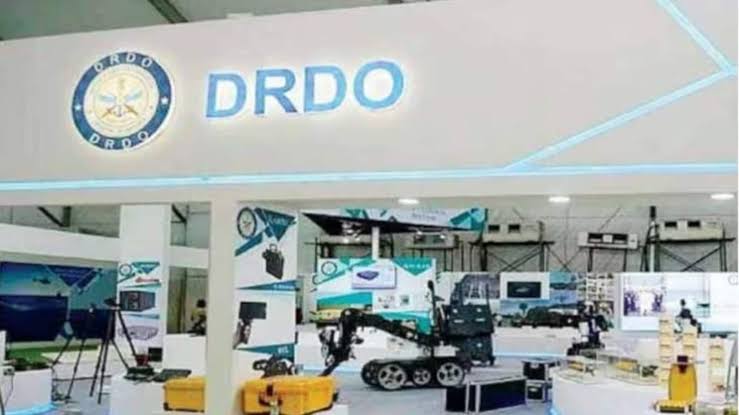
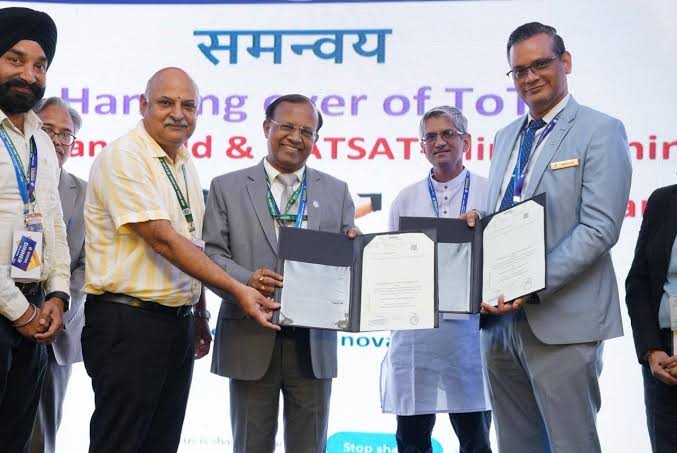

The seven technologies handed over to the Services reflect industry-DRDO collaboration and focus on import substitution and operational utility. They include:
- Indigenous High-Voltage Power Supply for Airborne Self-Protection Jammers;
- Tide-Efficient Gangway for Naval Jetties;
- Advanced Very Low Frequency–High Frequency (VLF–HF) Switching Matrix Systems;
- VLF Loop Aerials for Underwater Platforms;
- Indigenous Waterjet Propulsion System for Fast Interceptor Craft;
- Novel Process for Recovery of Lithium Precursors from Used Lithium-ion Batteries; and
- Long-life Seawater Battery System for sustained underwater sensing and surveillance.
Each product was designed, developed and extensively tested by Indian industry partners in close coordination with DRDO domain experts and Tri-Service users, the organisation said. The technologies are expected to enhance operational capability across air, sea and underwater theatres while reducing reliance on foreign suppliers.
New project approvals: strategic and time-sensitive areas
The Empowered Committee deliberated on a wide range of proposals and green-lit 12 new TDF projects that span strategic systems, aerospace platforms, naval hardware and electronic warfare (EW) technologies. While DRDO did not release detailed names for all projects, the approvals underline priority investment in critical domains and emerging capabilities.
The committee emphasised accelerating end-to-end processing under TDF to ensure projects move from concept to deployment without delay. Members also recommended streamlining acquisition pathways so successfully developed systems transition rapidly into procurement and operational use.
Faster induction and policy alignment urged
During the meeting, committee members discussed policy measures and enabling mechanisms to speed up induction of developed technologies into Service inventories. The discussion covered quality assurance, certification timelines, manufacturing readiness and logistics support for fielding new systems.
DRDO’s empowered panel asked for tighter coordination between developers, testing facilities and the Services to shorten validation cycles. The objective is to ensure that TDF projects remain strategically relevant as threat profiles and mission requirements evolve.
Industry collaboration and Aatmanirbhar Bharat
Chairman DRDO, Dr Samir V Kamat, reaffirmed the government’s commitment to bolstering indigenous defence innovation in line with the Aatmanirbhar Bharat vision. He noted that the TDF scheme has matured into an effective instrument for nurturing industry capability and enabling private sector partners to deliver mission-critical technologies.
The handover of seven technologies demonstrates the scheme’s emphasis on import substitution and domestic capability building. Several industry firms, including SMEs and private defence vendors, led the design and testing phases under DRDO mentorship.
Way forward
The committee directed teams to prepare detailed roadmaps for each approved project, laying out timelines for prototype maturation, trials, productionisation and handover. It also recommended periodic progress reviews to ensure accountability and timely course-corrections.
As India accelerates efforts to indigenise its defence industrial base, the TDF route remains a key policy instrument for converting laboratory concepts into fielded capabilities. Observers say sustained funding, streamlined certification and stronger industry-service partnerships will be critical to maintain momentum.