 Litti Chokha
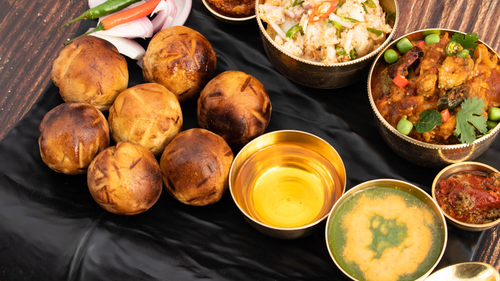
Originating in rural Bihar and eastern Uttar Pradesh, litti chokha was designed as a practical and filling meal. Wheat dough balls stuffed with spiced sattu were roasted over open fires and served with mashed vegetables. It was inexpensive and ideal for long working days.
Today, urban cafés and restaurants present refined versions finished with generous ghee and artistic plating, celebrating it as a regional delicacy rather than rustic fare.
Dal Makhani
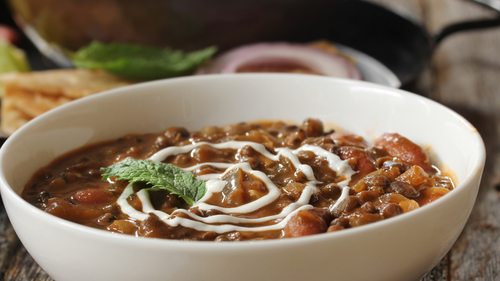
Before it became synonymous with indulgence, dal makhani was a simple Punjabi farmhouse dish. Whole black lentils and kidney beans were slow-cooked overnight to provide protein-rich nourishment.
The richer, cream-heavy version emerged later in city restaurants. Now, its long simmering process and smoky flavour are marketed as hallmarks of luxury dining.
Khichdi
Khichdi was long associated with frugality and recovery. A straightforward mix of rice and lentils, it required minimal spices and was easy to digest.
Modern wellness movements have repositioned khichdi as a balanced “superfood.” Upscale establishments now offer gourmet interpretations with exotic toppings and artisanal ghee, celebrating mindful eating.
Ragi Mudde
In Karnataka and other parts of South India, ragi mudde was the staple of agricultural workers. Finger millet was hardy, affordable and energy-rich.
Sarson Ka Saag and Makki Di Roti
This Punjabi winter classic originated as seasonal rural fare using mustard greens and maize flour. It was affordable and climate-friendly.
Today, it is positioned as heritage cuisine. Restaurants emphasise traditional preparation and white butter toppings, often pricing it far above its modest beginnings.
Pakhala Bhat
In Odisha, pakhala bhat fermented rice soaked in water was a cooling meal during intense summers. It helped prevent food waste by reusing leftover rice.
Today, growing global interest in fermented foods and gut health has renewed appreciation for pakhala. Curated accompaniments and storytelling have elevated its culinary status.
Misal Pav
Misal pav began as affordable street food in Maharashtra. Sprouted lentils cooked in spicy gravy and topped with farsan made it filling and economical.
Now, speciality eateries compete over regional variations and premium ingredients, transforming a worker’s meal into a gastronomic experience.
Kanji Vada
Kanji vada, popular in North India during festivals, used lentil dumplings preserved in fermented mustard water. It was practical and resource-efficient.
With renewed interest in traditional probiotics, kanji vada has entered boutique cafés and food festivals as a heritage delicacy.
A Changing Culinary Narrative
The transformation of these dishes reflects broader changes in India’s food culture. Rising interest in sustainability, local grains and traditional cooking methods has played a major role.