
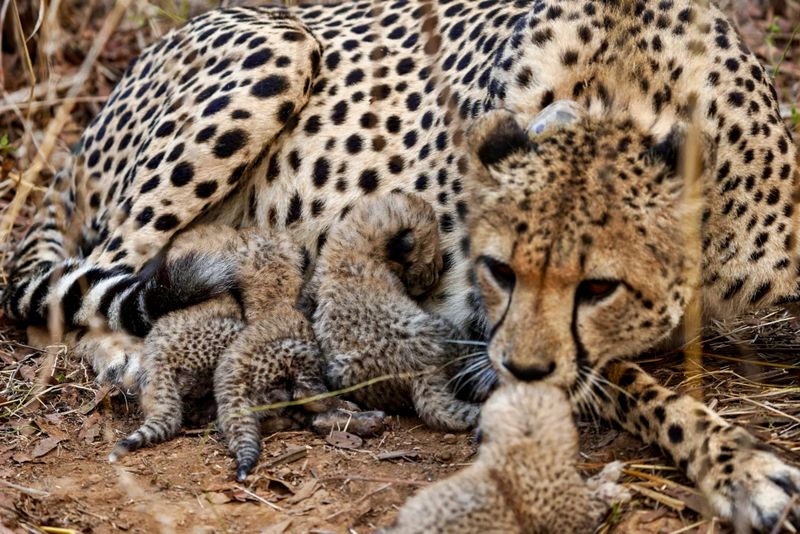
Kuno, Madhya Pradesh, February 28, 2026: India’s ambitious Project Cheetah marked another milestone as nine cheetahs from Botswana arrived at Kuno National Park, taking the country’s total cheetah population to 48, including 28 India-born cubs.
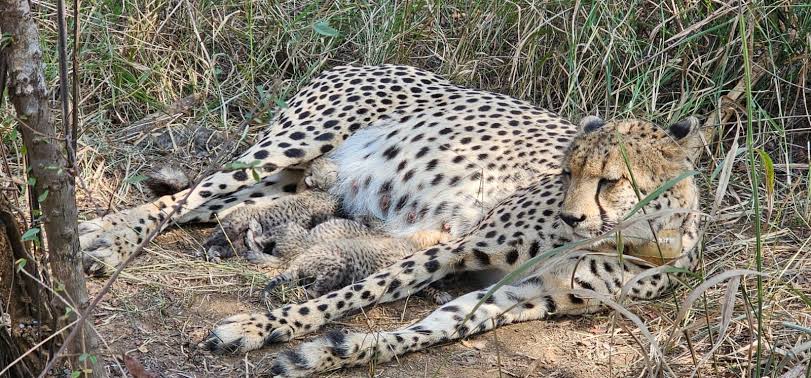

Project Cheetah, launched under the leadership of Prime Minister Narendra Modi, aims to reintroduce the big cat into India’s grassland ecosystems. The first batch of eight cheetahs arrived from Namibia on September 17, 2022, followed by 12 from South Africa in February 2023.
The Botswana transfer further strengthens genetic diversity and enhances the long-term viability of the population. Officials stated that the programme continues to operate under scientific oversight and international conservation protocols.
International Collaboration with Botswana
The process of sourcing cheetahs from Botswana began in December 2024, when formal discussions were initiated between the Government of India and the Republic of Botswana. The proposal was advanced by Shri Bhupender Yadav in consultation with Botswana’s Minister of Environment and Tourism.
Botswana agreed to collaborate after reviewing India’s comprehensive Action Plan for Cheetah Reintroduction. The partnership underscores a shared global commitment to securing additional safe habitats for cheetahs beyond their traditional African range.
In September 2025, an Indian delegation visited Botswana to finalise operational modalities, including veterinary assessments, transport logistics, and regulatory clearances in line with international wildlife translocation standards.
From Africa to Kuno: The Journey
Following scientific evaluation, the selected cheetahs were transported approximately 700 kilometres by road within Botswana under veterinary supervision. They were later housed in quarantine enclosures at Mokolodi Nature Reserve before their international transfer.
On February 27, 2026, the animals were moved to Gaborone Airport and airlifted to India with the support of the Indian Air Force. A C-17 Globemaster aircraft ensured a controlled and monitored journey to Gwalior, from where helicopters transported the cheetahs to Kuno National Park.
Shri Yadav expressed gratitude to the Indian Air Force for ensuring a safe and seamless operation, highlighting the precision and coordination involved in the mission.
India’s Growing Cheetah Population
The arrival of the Botswana cheetahs brings renewed optimism for the success of Project Cheetah. With 28 cubs born in India, conservationists view the programme as a positive indicator of adaptation and breeding success in the restored habitat.
Experts believe that sustained monitoring, habitat management, and community engagement will be crucial for maintaining a free-ranging and genetically healthy population. The ongoing quarantine phase will ensure that the newly arrived animals adjust to climatic conditions and local prey availability.
Conservation with Global Significance
Project Cheetah represents the world’s first intercontinental translocation of a large carnivore aimed at ecological restoration. By establishing a viable population outside Africa, India contributes to strengthening the species’ global resilience.
The successful transfer from Botswana reinforces international cooperation in wildlife conservation and underscores India’s commitment to restoring its historic biodiversity.
As Kuno’s landscape prepares to welcome the new arrivals into the wild, the expanding cheetah population stands as a symbol of ecological revival and sustained conservation efforts.