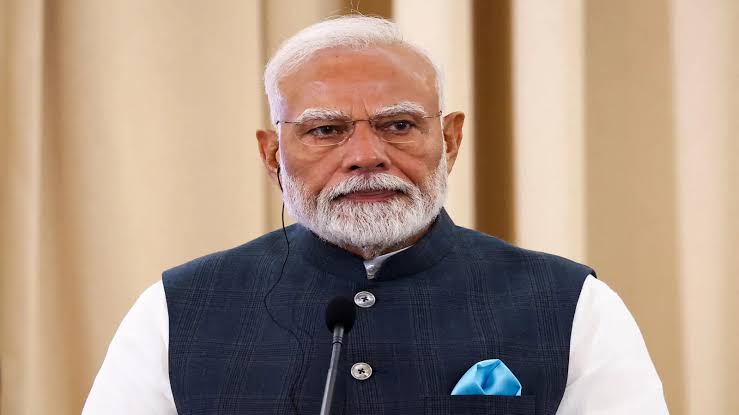
Prime Minister Narendra Modi addressed the India Steel 2025 programme today through a video message from Mumbai, striking a powerful chord with the industry by acknowledging its foundational role in nation-building and expressing both pride and urgency about India’s steel journey. His address was not just a policy outline—it was a heartfelt call to action, infused with national pride and an ambitious vision for the future.
Referring to steel as the skeleton of modern economies, the Prime Minister likened it to the silent strength behind towering skyscrapers, vast highways, bustling ports, and the dynamic infrastructure of a rising India. With deep conviction, he shared the nation’s pride in becoming the second-largest steel producer in the world and reaffirmed the government’s target of reaching 300 million tonnes of steel production by 2030 under the National Steel Policy.
The Prime Minister highlighted how the increasing per capita consumption of steel—expected to rise from 98 kg to 160 kg by 2030—is a powerful indicator of India’s infrastructural growth, economic progress, and administrative efficiency. He emphasized that the steel industry is not only central to national development but is also a key driver in transforming lives across sectors through employment and innovation.
With thoughtful reflection on the past decade, Modi noted the mining reforms that have improved access to iron ore and called for the optimal use of allotted greenfield mines. He acknowledged the challenges still faced by the sector, particularly in securing raw materials like coking coal and nickel, but was hopeful that collaborative innovation and technology would pave the way forward. He stressed the need to reduce dependence on imports and explore new methods such as coal gasification and the DRI route to enhance self-reliance.
He painted a vibrant picture of the steel sector’s role in national missions—from contributing to India’s first indigenous aircraft carrier and the Chandrayaan mission to supporting housing under PM Awas Yojana and infrastructure in rural India. Modi reaffirmed the commitment to using only ‘Made in India’ steel in government projects and advocated for the goal of ‘zero import’ and ‘net export’ in the infrastructure sector.
PM Modi was candid in addressing the steel sector’s growing responsibilities. He emphasized the need for future-ready processes, innovative R&D, and greater synergy between private and public sectors. He called for bold steps to expand capacity, enhance sustainability, and embrace automation, AI, and recycling technologies to meet the global benchmarks.
Above all, his address reflected a deep confidence in India’s potential to emerge as a global steel powerhouse. With warmth and optimism, he urged industry leaders to come together in building not just stronger infrastructure, but a stronger nation—resilient, revolutionary, and ready for the future.
His closing words were a heartfelt rallying cry: to transform the sector not just with strength, but with purpose, vision, and unity.