Air Chief Marshal Meets PM Modi Amid Tensions Following Pahalgam Terror Attack: Sources
Amid heightened tensions between India and Pakistan following the deadly Pahalgam terror attack, Air Chief Marshal AP Singh met Prime Minister Narendra Modi on Saturday, according to official sources. The high-level meeting is part of a series of engagements between the Prime Minister and top military leaders in the aftermath of the April 22 massacre that left 26 civilians dead.
This meeting with the Air Force Chief comes less than a day after PM Modi conferred with Admiral Dinesh K Tripathi, Chief of the Naval Staff, and days after a separate session with Army Chief General Upendra Dwivedi. While the government has not released an official readout of these meetings, they are widely seen as strategic deliberations on India’s potential military and diplomatic response to the attack.
The Pahalgam assault—one of the deadliest on civilians in Kashmir in recent years—occurred when gunmen opened fire on a group of unarmed tourists in the scenic town in South Kashmir. The victims hailed from various parts of India and had been visiting the region during the spring season.
The attack has triggered a wave of public outrage and renewed calls for a strong retaliatory response. India has squarely blamed Pakistan for providing shelter and support to terrorist groups operating across the border, a charge Islamabad routinely denies.
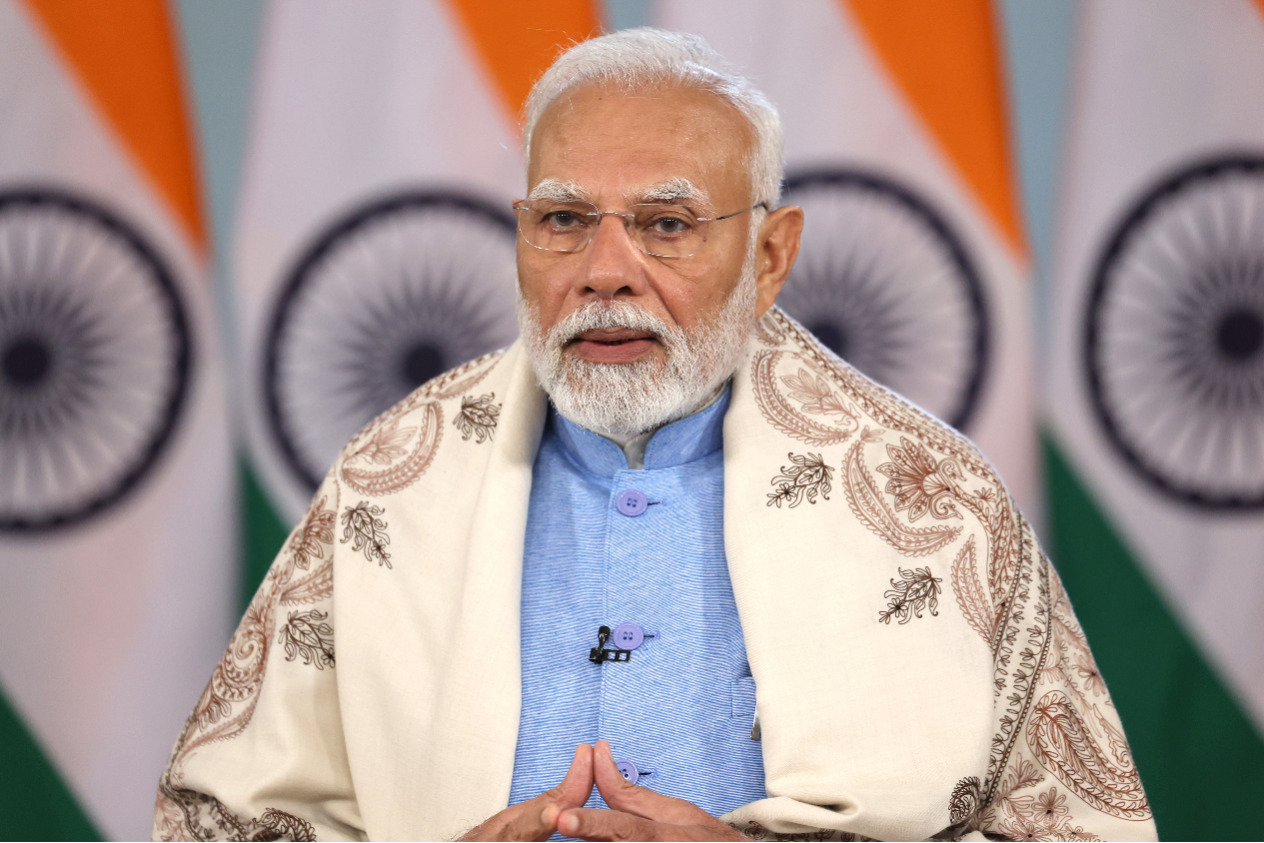
Earlier this week, during a high-level security meeting, PM Modi was said to have given the armed forces “complete operational freedom” to determine the scale, scope, and timing of any countermeasures. The meeting was attended by Defence Minister Rajnath Singh, National Security Advisor Ajit Doval, Chief of Defence Staff General Anil Chauhan, and the chiefs of the Army, Navy, and Air Force.
In a statement widely interpreted as a direct warning to Pakistan, PM Modi vowed to pursue the attackers “to the ends of the earth” and to punish those responsible “beyond their imagination.”
India has a history of robust military responses to major terror attacks. In 2016, it conducted surgical strikes across the Line of Control following the Uri attack, and in 2019, the Indian Air Force carried out airstrikes in Balakot, deep inside Pakistani territory, after the Pulwama suicide bombing. Mirage-2000 fighter jets were used in the Balakot operation to target what the government described as a major terror training camp.
In parallel with military planning, India has also moved diplomatically, including suspending certain provisions of the Indus Waters Treaty—a decades-old bilateral agreement regulating river usage between the two countries—in a bid to apply pressure on Islamabad.
While the rhetoric has been firm and public expectations high, the government has yet to reveal any specific timeline or strategy for responding to the Pahalgam attack.