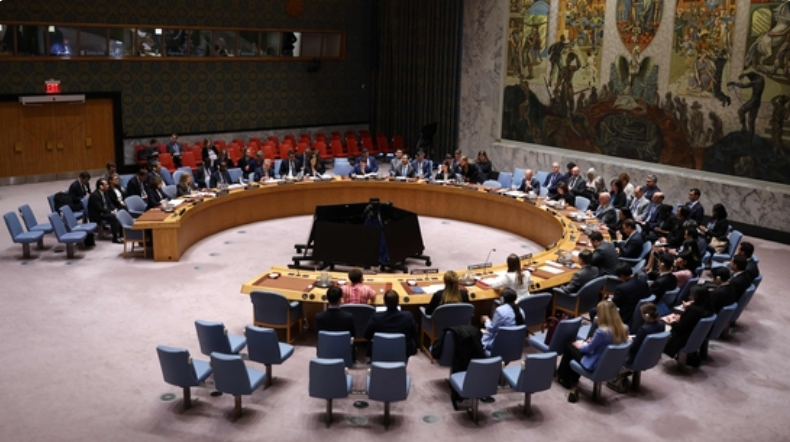
UNSC is set to hold closed consultations on Monday to discuss the escalating tensions between India and Pakistan following the deadly terror attack in Pahalgam that claimed 26 lives. The meeting was scheduled after Islamabad requested a closed-door discussion on the situation between the two nuclear-armed nations. The Greek presidency of the Security Council arranged the session for the afternoon of May 5.
The Security Council comprises five permanent members with veto power—China, France, Russia, the UK and the US—and ten non-permanent members, including Algeria, Denmark, Greece, Guyana, Pakistan, Panama, South Korea, Sierra Leone, Slovenia and Somalia.
The Pahalgam attack, which killed mostly tourists, prompted strong retaliatory actions from India. These included the suspension of the Indus Waters Treaty, the cancellation of all visas issued to Pakistani nationals and a complete ban on imports from Pakistan.
Ambassador Evangelos Sekeris, Greece’s Permanent Representative to the UN and current President of the Security Council, previously said that if a request was made to discuss the India-Pakistan situation, it should be accommodated. He noted that such a meeting could serve as a platform for expressing views and potentially easing tensions. We are in close contact. This might happen sooner rather than later. We are preparing, Sekeris had stated.
He also emphasised that India, being a victim of cross-border terrorism, was a relevant issue. As a matter of principle, we strongly condemn any act of terrorism, and that includes the heinous attack in Kashmir, he said.
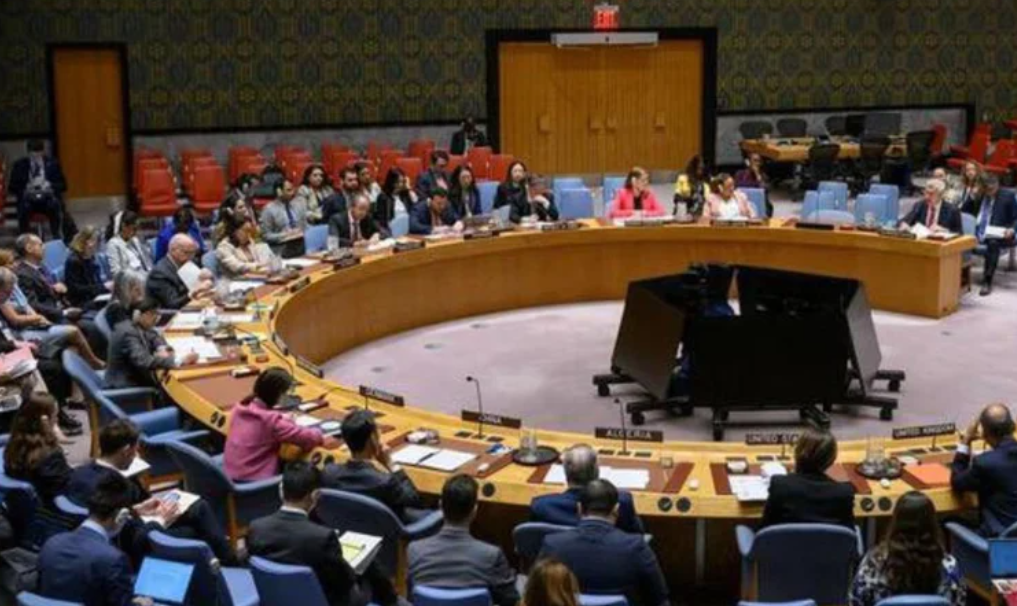
While the Security Council condemns terrorism in all forms, it also remains concerned about growing instability in the region. Sekeris remarked, “These are two very large countries. Of course, India is far bigger than Pakistan.
In the wake of the attack, Indian External Affairs Minister S Jaishankar spoke to most Security Council members, excluding China and Pakistan. He urged the Council to ensure those responsible for planning and supporting the attack are brought to justice. Jaishankar also had a productive conversation with his Greek counterpart, George Gerapetritis, during which the Pahalgam incident was discussed. He welcomed Greece’s firm position on cross-border terrorism, noting it reflects the strength of the Strategic Partnership between the two nations.
Jaishankar also held discussions with UN Secretary-General Antonio Guterres, Russian Foreign Minister Sergey Lavrov, US Secretary of State Marco Rubio, UK Foreign Secretary David Lammy and French Foreign Minister Jean-Noël Barrot.
In the days following the April 22 attack, the UN called on both India and Pakistan to exercise maximum restraint to avoid further escalation. UN spokesperson Stephane Dujarric condemned the violence and stressed that disputes between the two countries should be addressed through peaceful dialogue and mutual engagement.
Last week, Secretary-General Guterres separately called Jaishankar and Pakistani Prime Minister Shehbaz Sharif to condemn the Pahalgam attack and reiterate the need for de-escalation.