In a deeply concerning turn of events, India and Pakistan—two nuclear-armed neighbors—have accused each other of launching coordinated missile and aerial strikes on military bases, triggering a significant escalation in one of the world’s most volatile regions. What began as isolated incidents has now transformed into a worrying series of attacks, with both nations reporting casualties and damage, including civilian losses.
India claims that its military installations across the north were targeted by Pakistani drones, missiles, and fighter aircraft, while Pakistan alleges that India initiated hostilities by launching six surface-to-air missiles at key Pakistani military bases early Saturday morning. In response, Pakistan launched what it called “Operation Bunyan Ul Marsoos”—a retaliatory campaign named from the Qur’an, meaning “wall of lead”—targeting multiple Indian sites.
Civilians have been tragically caught in the crossfire. Reports indicate at least 13 civilian deaths in Pakistan-administered Kashmir in the past 12 hours. In India, similar fears loom large. In Srinagar and Jammu, frightened residents have abandoned homes and shops, with authorities closing schools and increasing checkpoints. One resident of Srinagar, Munir Ahmed, fled with his pregnant daughter, stating, “We did not want to take any chances.”
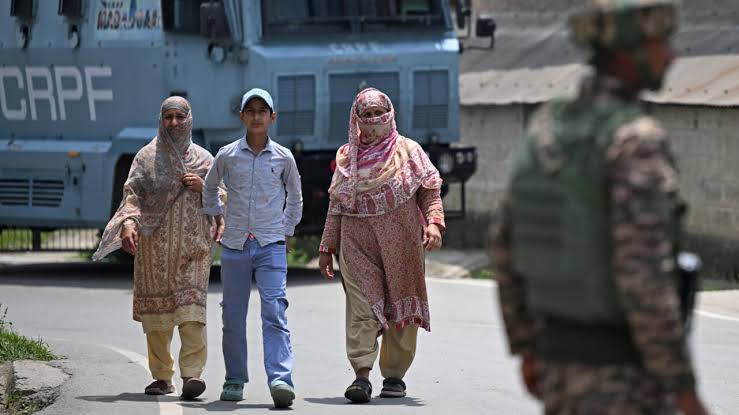
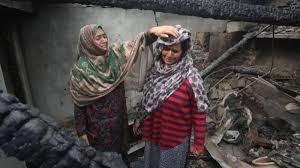
Images emerging from the region show widespread destruction: homes in Neelum Valley with their walls torn apart by shelling, debris being cleared in Jammu after aerial attacks, and security forces patrolling tense streets in Kashmir. The suffering is undeniable and deeply human, as families on both sides of the border seek shelter and safety amid uncertainty.
International voices are calling for restraint. The G7 foreign ministers, along with the European Union, condemned the April 22 militant attack on Indian tourists in Pahalgam, which allegedly sparked the latest flare-up, and urged both nations to pursue de-escalation. China has expressed “deep concern” and pledged to support peaceful solutions, while Saudi Arabia and the United States are reportedly acting as mediators behind the scenes.
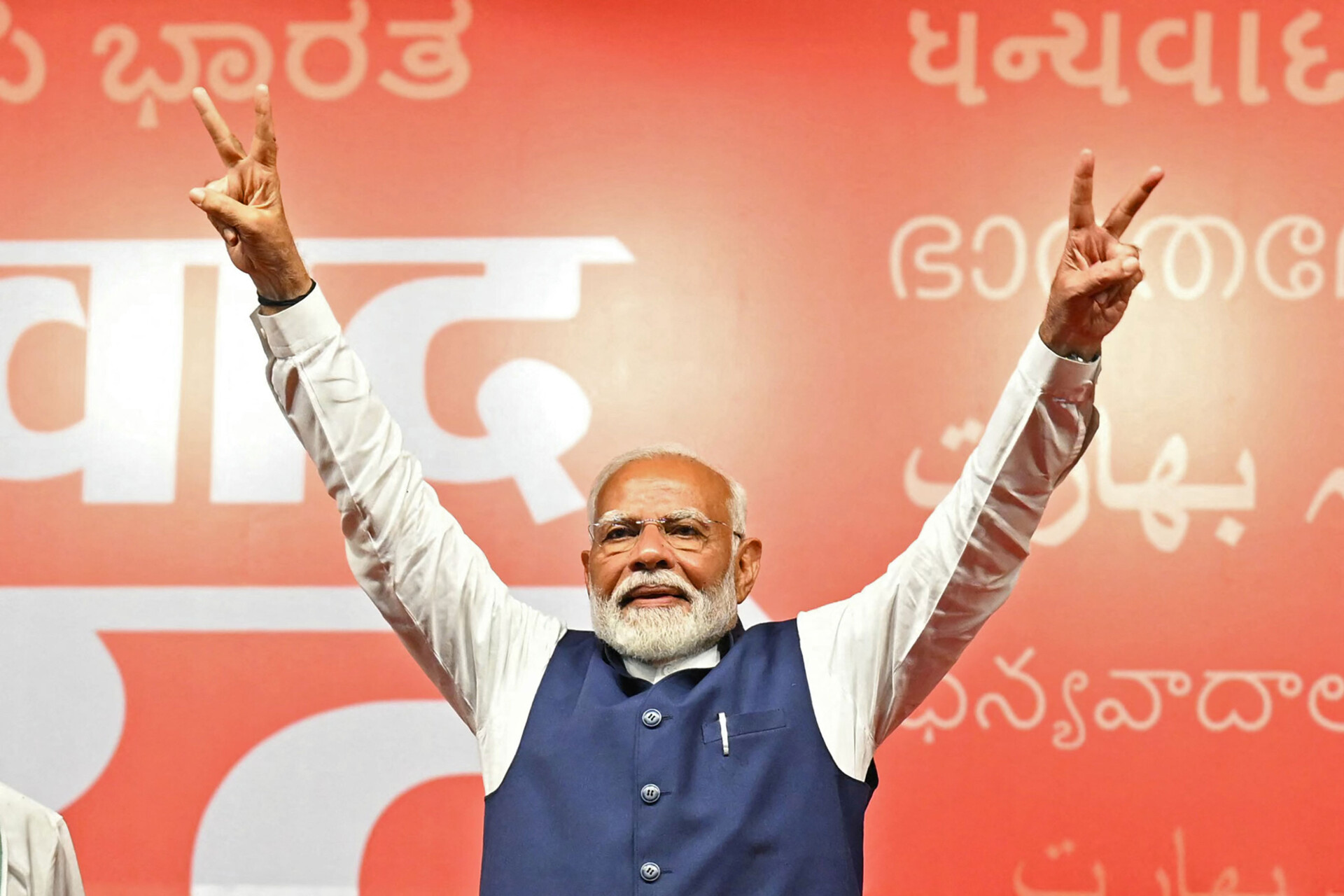
Still, tensions remain high. Indian officials, including Prime Minister Narendra Modi and Defence Minister Rajnath Singh, are holding urgent security briefings. In Pakistan, Defence Minister Khawaja Asif has stressed that while contacts for de-escalation have been established, trust in India’s intentions is low. “We did not start it. We just responded,” he said, highlighting the need for credible third-party mediation.
Analysts warn this crisis is unlike past India-Pakistan confrontations. The scale and precision of attacks, including use of drones and missiles over densely populated areas, reflect a dangerous new phase of conflict. With over 60 lives reportedly lost so far, fears are growing about where this might lead if diplomatic efforts fail.
In such a moment, the world watches closely—not just for military developments, but for signs of humanity prevailing over hostility. For the people of Kashmir, and for citizens on both sides of the border, peace is not just a political goal—it is a deeply felt need, one that grows more urgent with every passing hour of violence.