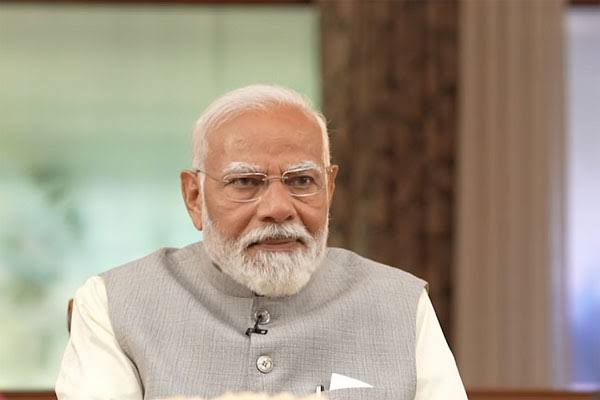
In a high-level meeting held at his residence in Lok Kalyan Marg, Prime Minister Narendra Modi reviewed the progress of India’s fisheries sector and laid out an ambitious roadmap to unlock its full potential. The discussions centered on enhancing deep sea and Exclusive Economic Zone (EEZ) fishing, modernizing infrastructure, and leveraging cutting-edge technology for the welfare of the fishing community.
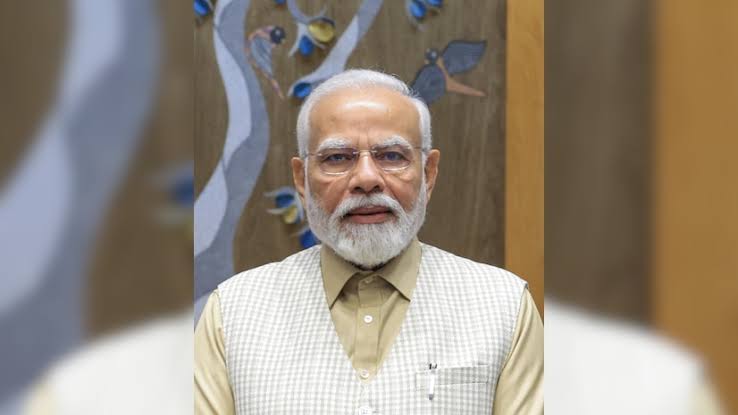
Emphasizing the importance of the sector for livelihoods and food security, the Prime Minister advocated for the adoption of satellite technology to better utilize marine resources while ensuring the safety of fishermen at sea. He stressed the modernization of fisheries through smart harbours, improved marketing systems, and drone-based transport of fresh catch to urban markets—measures aimed at minimizing waste and maximizing value.
Drawing parallels with technological advancements in agriculture, the Prime Minister suggested a stronger push for “fish tech” to enhance production, processing, and marketing practices. He also spoke about using ornamental fisheries and fish cultivation in Amrit Sarovars as promising avenues for supplementary income and rural empowerment.
Another highlight of the meeting was the call to explore the diverse potential of seaweed—not just as a nutritional input or pharmaceutical resource, but also as an eco-friendly fuel alternative. The Prime Minister urged collaboration across departments to fully harness seaweed’s economic value through innovation and investment.
Recognizing the unmet demand for fish in landlocked areas, the Prime Minister proposed a targeted strategy to bridge the gap in supply, ensuring equitable access to fish-based nutrition across the country. He also emphasized the need for capacity building among fishermen, urging skill development in modern fishing techniques, and suggested a review of existing regulatory barriers to streamline operations and improve livelihoods.
Since 2015, the government has invested over ₹38,500 crore through flagship schemes like the Blue Revolution, FIDF, and Pradhan Mantri Matsya Sampada Yojana. These initiatives have helped India achieve a record fish production of 195 lakh tonnes in 2024–25, with an impressive sectoral growth rate exceeding 9%.
The meeting included key ministers and senior officials, reflecting the government’s commitment to a unified and strategic approach to fisheries development. The Prime Minister’s vision represents not just a policy roadmap but a heartfelt commitment to empowering coastal and inland communities, strengthening their economic resilience, and securing a sustainable future for India’s fisheries sector.