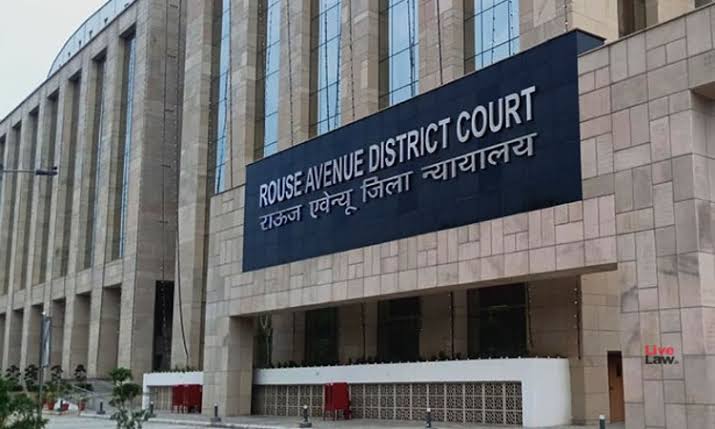
In a development that has raised concerns about judicial independence and the misuse of investigative power, a Special Judge posted at Rouse Avenue Court in Delhi has been transferred to Rohini following bribery allegations against his ahlmad, or court record keeper. The case, which has since taken a controversial turn, involves claims of retaliation, institutional overreach, and attempts to intimidate members of the judiciary.
 The Anti-Corruption Branch (ACB) filed a case on May 16 against the ahlmad, Mukesh Kumar, under provisions of the Prevention of Corruption Act and the Bharatiya Nyaya Sanhita, alleging he accepted bribes from accused individuals to secure bail orders. However, Kumar has refuted the allegations, asserting that he is being framed as part of a targeted campaign by senior ACB officers to malign the judge for issuing unfavourable orders against them.
Kumar’s statements in court suggest that the case may be rooted in institutional friction rather than misconduct. He claims the ACB filed the FIR shortly after the judge issued a notice to Joint Commissioner Madhur Verma, demanding an explanation for alleged contempt. Kumar has further alleged that ACB officers—Verma and ACP Jarnail Singh—are abusing their authority and using false charges to pressure the judiciary.
According to Kumar, the ACB had earlier sought the Delhi government’s permission to investigate the judge and had submitted purported evidence to the High Court. The Court, however, found the material insufficient to act against the judge but allowed the agency to continue investigating the matter. Despite this, Kumar maintains the FIR was maliciously timed and politically motivated.
In his petition before the Delhi High Court, Kumar, represented by a team of senior advocates and legal experts, described the episode as a grave attack on judicial independence. He argued that the allegations are an attempt to coerce judges through fabricated cases and pressure tactics aimed at court staff. He has also requested a departmental inquiry into the conduct of the ACB officers, accusing them of corruption, intimidation, and tampering with official records.
The High Court has directed the State to file a status report by May 29 in response to Kumar’s petition, which seeks either the quashing of the FIR or the transfer of the investigation to the Central Bureau of Investigation (CBI). Meanwhile, the trial court has denied anticipatory bail to Kumar but has ordered the ACB to comply strictly with legal procedures before taking further action.
This unfolding case has sparked debate in legal circles about the sanctity of judicial functioning and the potential misuse of law enforcement mechanisms to influence judicial proceedings. As the legal battle continues, many are watching closely, concerned about the implications it holds for the fragile balance between the judiciary and investigative authorities.