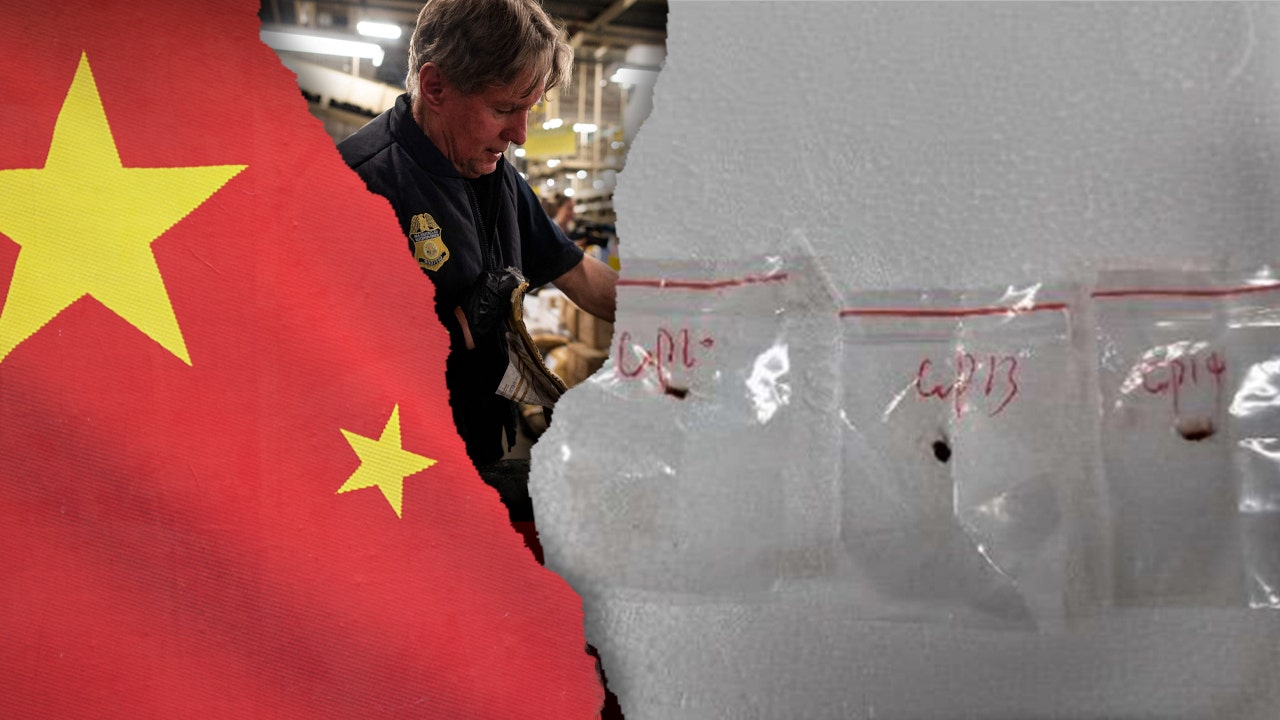
Smuggled Fungus Sparks Alarms in the US
A shocking discovery at a US airport has reignited fears of biological threats—this time from a crop-destroying fungus. The FBI recently arrested two Chinese researchers, Zunyong Liu and Yunqing Jian, for allegedly smuggling Fusarium graminearum, a fungus classified in scientific literature as a potential agroterrorism weapon.
They now face multiple federal charges, including smuggling, conspiracy, visa fraud, and making false statements.
The Fungus: More Than a Crop Disease
Fusarium graminearum causes Fusarium Head Blight (FHB)—commonly known as “scab”—which devastates grains like wheat and barley, especially during wet seasons. It contaminates crops with mycotoxins, which are harmful if consumed in large amounts.
While the fungus already exists in the US, its intentional introduction under suspicious circumstances has stirred debate.
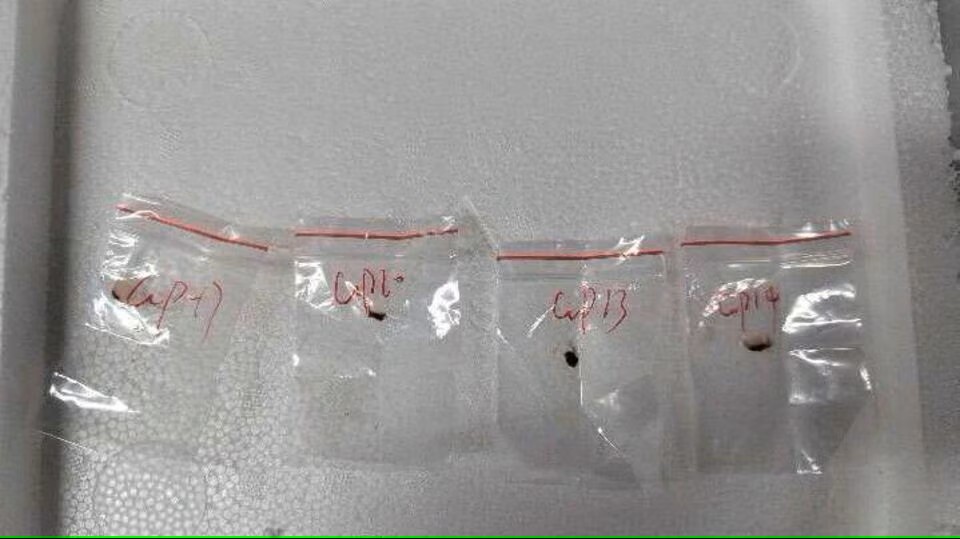
According to FBI documents, Liu hid samples of the pathogen in baggies inside his backpack. He entered the country last year and claimed the samples were for academic research at the University of Michigan, where Jian was employed.
A Potential Agroterrorism Act?
Commenting on the arrest, China expert Gordon G. Chang called the smuggling attempt “an act of war”. Speaking to Fox News, he warned the US could face a threat “worse than Covid” if such acts continue unchecked.
“This is not just science. This is warfare,” Chang emphasized.
“We could lose our country if we don’t respond with strength.”
Chang is a veteran legal counsel and China commentator. He even suggested that the US government sever diplomatic ties with China, stating,
“We’re being overwhelmed—from Covid to fentanyl—and now this.”
Voices of Caution from the Scientific Community
However, not all experts agree with the alarmist tone.
Dr. Jessica Rutkoski, a crop scientist and geneticist at the University of Illinois, told Reuters that while the fungus is dangerous, it is far from an ideal bioweapon.
“It’s already in the US, and we have tools like fungicides and genetic resistance to deal with it,” she said.
Other researchers echoed her view. They highlighted the difficulty of intentionally infecting crops with the fungus on a scale large enough to cripple agriculture.
Still, the intent matters, and the illegal act has diplomatic consequences.
China and Biothreats: A Troubled History
This case comes amid lingering controversies over the origin of SARS-CoV-2, the virus behind COVID-19. While the lab-leak theory remains disputed, the idea that foreign biological materials could pose national security threats has gained traction.
Past reports (see our story: China-linked agro outbreaks) reveal that smuggled insects, plant pathogens, and toxins have previously been linked to disruptive outbreaks in other countries.
What This Means for US-China Relations
With ongoing tensions over technology, trade, and security, this incident is likely to fuel anti-China sentiment. Already, there are calls in Washington to review academic exchanges, especially those involving sensitive scientific research.
Lawmakers may soon push for tighter scrutiny on visas, particularly for STEM researchers from adversarial nations.
The Department of Justice has not ruled out the possibility of additional charges or further arrests linked to this case.
Conclusion: Risk or Overreaction?
Whether this was an act of agroterrorism or just gross negligence, the case of Liu and Jian has reopened wounds left by the pandemic. It underlines the fragility of global trust, especially in matters that involve science, security, and diplomacy.
For now, the fungus is contained. But the diplomatic fallout could spread far wider than any spore.