🚨 US on High Alert as Israeli Strike on Iran Looms
Rising Middle East Tensions
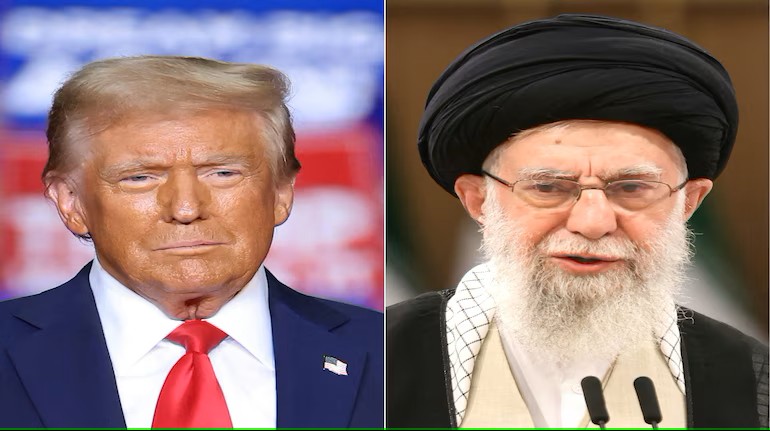
The United States is on heightened alert following reports of a possible Israeli strike on Iran’s nuclear sites, should the current diplomatic negotiations between Washington and Tehran fail. According to The Washington Post, the Trump administration fears a unilateral Israeli move, which could throw the region into renewed chaos.
In response, President Donald Trump announced a partial withdrawal of US personnel from high-risk zones in the Middle East, particularly Iran and Iraq. The Pentagon has also approved voluntary departures for military families across regional bases, signaling serious security concerns.
Nuclear Talks in Jeopardy
The escalating situation coincides with faltering US-Iran nuclear talks. President Trump has publicly stressed that Iran must never obtain a nuclear weapon. “They can’t have a nuclear weapon. Very simple,” he reiterated on Wednesday.
Despite months of negotiations, Iran has refused to cease uranium enrichment, a key demand by the US. Trump, speaking to The New York Post, admitted he is “less confident” about Iran’s willingness to compromise.
Israel’s Calculated Position
Citing a report from Axios, Israeli Prime Minister Benjamin Netanyahu — known informally as “Bibi” — is preparing for a quick strike if nuclear diplomacy collapses. Israeli sources believe Trump may approve such action if the talks break down entirely.
However, concerns grow within the US intelligence community that Israel may act independently, without informing Washington. Such a move could not only sabotage ongoing talks but also provoke Iranian retaliation against US targets in the region.
Tehran Issues Dire Warning
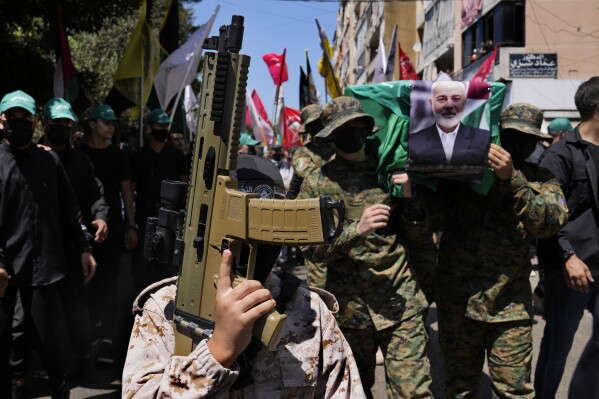
Iran has not taken these threats lightly. Defence Minister Aziz Nasirzadeh warned that any Israeli military aggression would provoke direct retaliation on US bases. “The US will bear consequences,” he stated, emphasizing America’s long-standing support for Israel.
Emergency Precautions by the US
The State Department has initiated emergency protocols across its embassies located within Iranian missile range. Embassies in the Middle East, Eastern Europe, and North Africa have been instructed to establish emergency action committees and report back with risk mitigation strategies.
Additionally, Secretary of State Marco Rubio updated the US worldwide travel advisory on June 11. The advisory reflects the growing instability and includes instructions for non-essential personnel to leave Bahrain and Kuwait.
Strategic US Presence at Stake
The United States maintains military bases in Iraq, Kuwait, Qatar, Bahrain, and the UAE — critical to its regional presence. Any direct confrontation could endanger thousands of personnel and disrupt oil production and shipping routes, escalating the global economic impact.