British Jets Moved to Middle East as Conflict Escalates
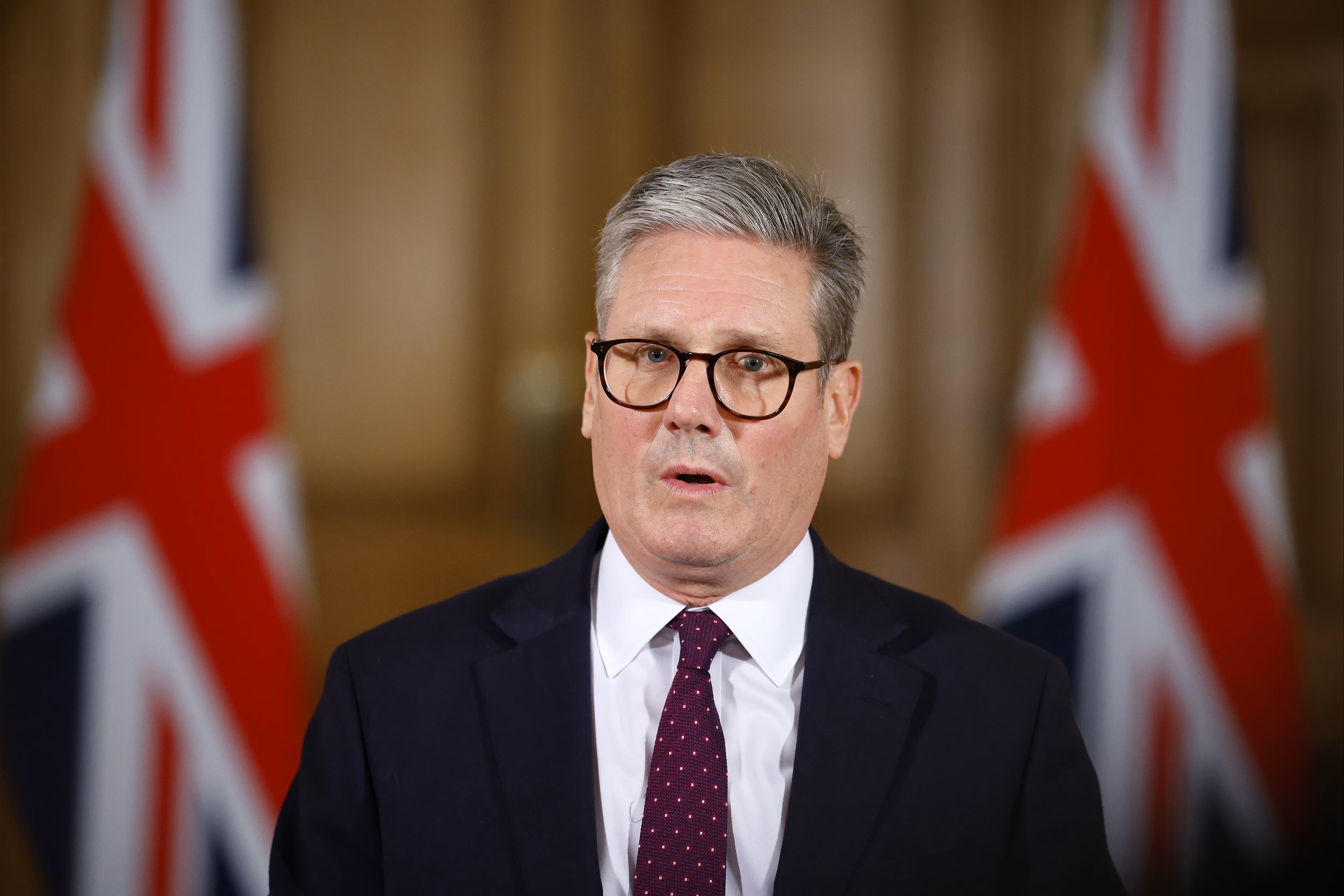
In response to growing instability in the Middle East, UK Prime Minister Keir Starmer confirmed the deployment of British military assets, including fighter jets, to the region. The move follows a dramatic escalation between Iran and Israel, who exchanged missile and drone strikes over the weekend.
Amid this tension, Starmer also called for immediate de-escalation, stressing that diplomacy remains the best path forward.
 Tensions Reach a Boiling Point
The conflict intensified after Israel launched a major air offensive on Friday, reportedly targeting Iranian nuclear facilities, military commanders, and scientists. Iran retaliated with missiles and drones, marking one of the most dangerous exchanges in recent years.
The UK, already operating fighter jets in the region as part of its anti-terror efforts in Iraq and Syria, expanded its military presence as a precaution.
When asked about the possibility of defending Israel directly, Starmer remained measured. “I will always make the right decisions for the UK,” he stated firmly, noting that the asset movement was for contingency support.
Iran Issues Threats Against Western Bases
As the situation evolved, Iran warned that any country aiding Israel might face retaliation. British bases in the region were explicitly mentioned in Iranian media.
Despite this, Starmer refused to rule out military support. “We are moving assets, including jets, for regional support,” he said in an official statement via Reuters.
Calls for De-escalation from World Leaders
Before departing London, Starmer spoke with Saudi Crown Prince Mohammed bin Salman. Both leaders expressed concern over the “gravely concerning” situation and emphasized the need for restraint.
“We agreed that the priority must be to de-escalate,” Starmer’s office stated, following the diplomatic exchange.
The UK Prime Minister also confirmed ongoing talks with both US President Donald Trump and Israeli Prime Minister Benjamin Netanyahu. Discussions are aimed at preventing further violence and finding a peaceful solution.
Diplomacy Over Warfare
“We’re having ongoing discussions with our allies all the time,” Starmer said. “Our constant message is: de-escalate. Everything we’re doing is to support that goal.”
Foreign Secretary David Lammy also joined these diplomatic efforts, speaking directly with Iranian officials in a bid to cool tensions.
This approach reflects a broader international consensus that military conflict in the Middle East could spiral into a regional war, threatening global oil supply chains, security, and humanitarian stability.
UK’s Strategic Role in the Region
The United Kingdom plays a critical role in maintaining balance in the Middle East. With forward-deployed forces, naval presence, and long-standing partnerships in the Gulf, the UK is often a first responder to regional crises.
This latest deployment signals readiness without aggression. It’s a clear message: Britain is prepared, but prefers peace.
The Situation Remains Fluid
With missiles fired, bases threatened, and diplomacy in full swing, the Middle East remains on edge. Analysts believe the next 48 hours will be crucial. Any misstep could lead to escalation — or resolution.
Stay tuned as the UK continues its diplomatic and defensive maneuvers in the coming days.