Karnataka’s Crowd Control Bill: Jail and Fine for Mismanaged Events
 Why Was This Law Proposed?
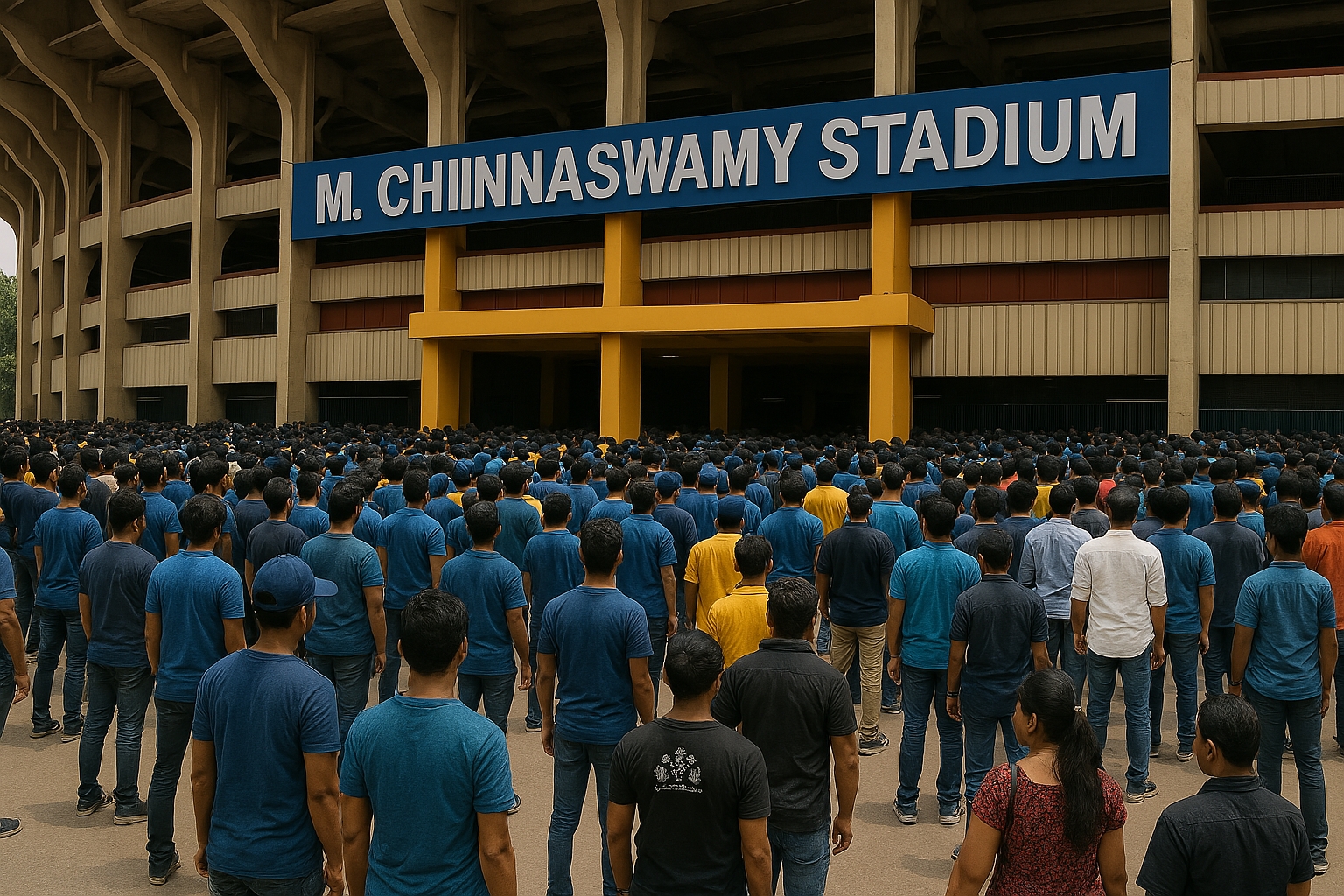
The bill was tabled following the June 4 stampede that occurred when thousands of fans gathered for a victory parade after RCB’s IPL title win. Overcrowding, lack of barricading, and poor planning led to the incident, prompting public outrage and a demand for accountability.
Key Features of the Karnataka Crowd Control Bill, 2025
- Penalty: Up to 3 years of imprisonment and a fine of ₹5,000 for organizers failing to meet safety norms.
- Scope: Applicable to political rallies, mass entertainment shows, and corporate-sponsored public events.
- Exemptions: Religious processions and traditional cultural festivals have been kept outside its purview.
- Mandatory Approvals: Organizers must obtain prior clearance from local authorities and submit crowd management plans.
- On-ground Monitoring: Real-time crowd analysis, CCTV surveillance, and trained marshals to be mandated for large events.
Public and Political Response
While opposition leaders have cautiously welcomed the move, they have urged the government to avoid using the law as a tool to stifle political dissent. Civil society groups have called for clarity in how exemptions will be handled, especially during large religious gatherings like Dasara or Ganesh Chaturthi.
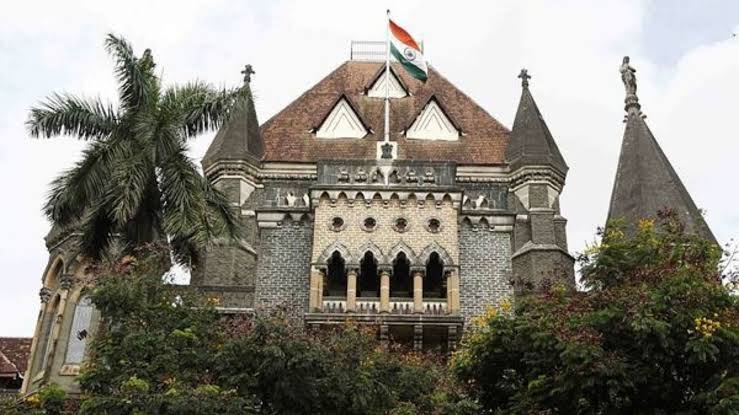
On the other hand, families of the victims have lauded the draft bill, stating that it may save lives in the future. A petition seeking compensation for the deceased is still pending in the Karnataka High Court.
How Will This Impact Future Events?
Experts believe this legislation could set a precedent for other Indian states facing crowd-related tragedies. Similar laws exist in Maharashtra and Tamil Nadu but are often poorly enforced. If passed, Karnataka’s bill would be among the first to prescribe criminal liability for negligence in crowd planning.
According to urban planner Dr. Kavya Suresh, “The challenge lies in implementing the bill without curtailing civic freedoms.”
What Happens Next?
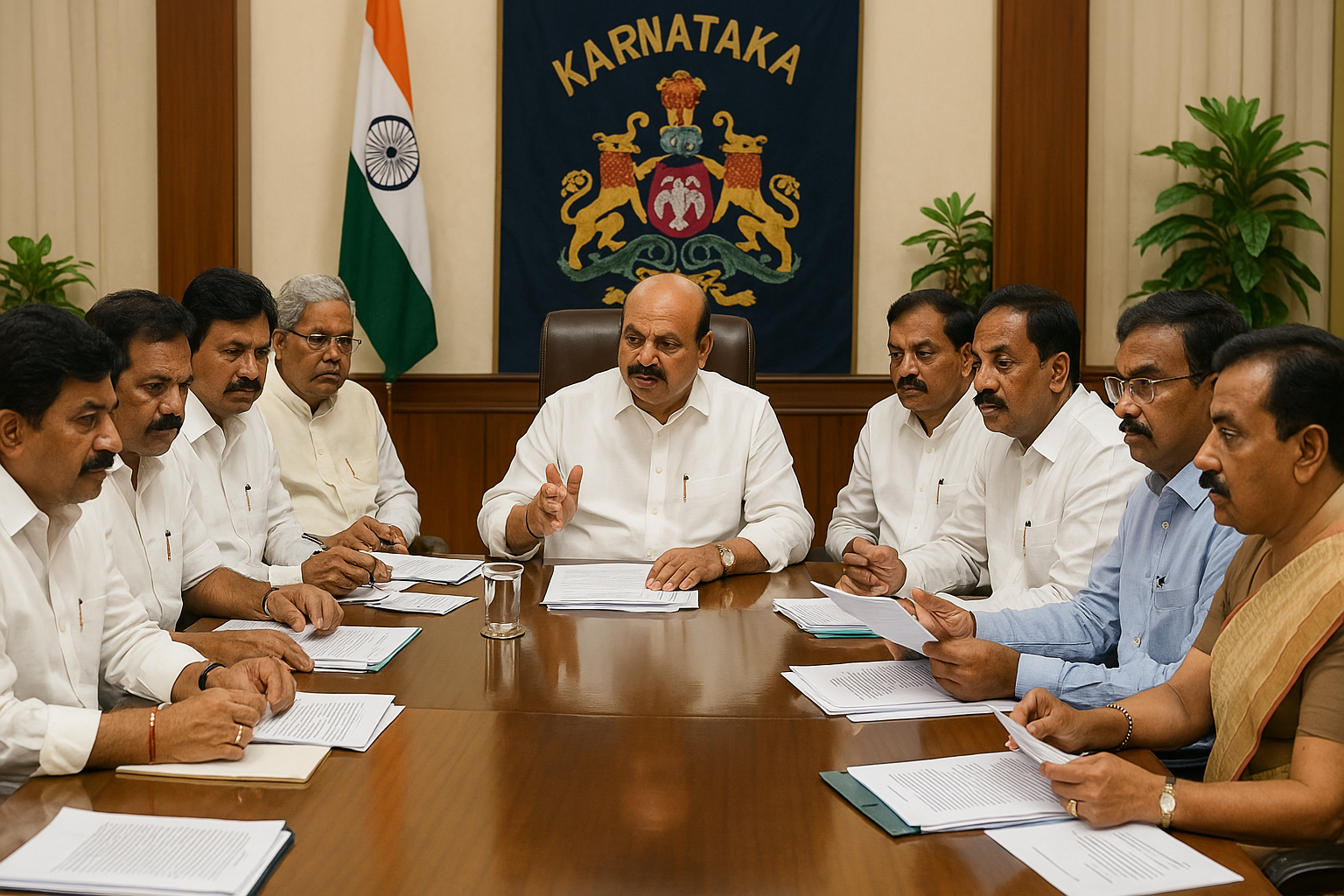
The draft bill will now be sent to a legislative committee for feedback. If approved, it could become law before the end of the monsoon session in July 2025.