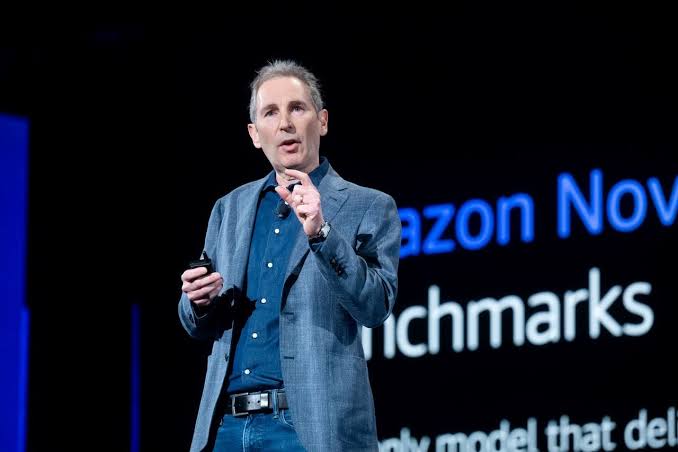
In a bold and sobering message to Amazon’s 1.5 million employees, CEO Andy Jassy declared that artificial intelligence will fundamentally alter the way the company works — and reduce the number of corporate jobs in the process. His internal memo, shared on June 17, 2025, outlines a clear trajectory: AI isn’t just coming; it’s already here, and it’s transforming everything.
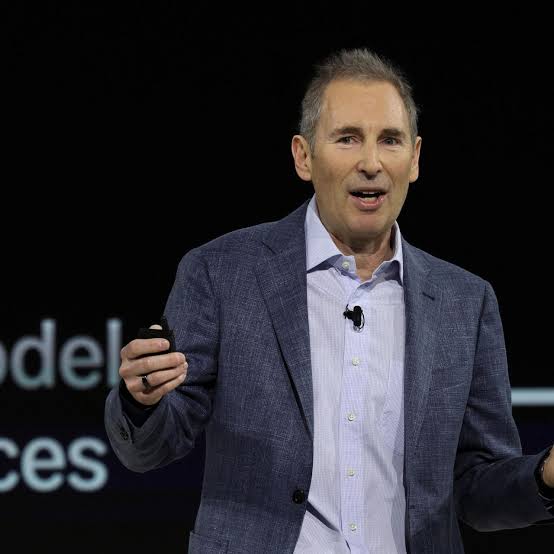 AI to Cut Corporate Jobs, Reshape Roles
Jassy’s memo candidly states that fewer employees will be needed for roles in software engineering, marketing, and operations — especially among Amazon’s 350,000 corporate workers. The rise of Generative AI tools and intelligent agents will automate a vast array of tasks currently done by humans.
“We will need fewer people doing some of the jobs that are being done today,” Jassy wrote, adding that the shift could significantly reduce the company’s workforce over the coming years.
Generative AI Already Embedded in Amazon’s Ecosystem
From the next-generation Alexa+ personal assistant to AI-powered shopping tools like “Buy for Me” and “Recommended Size”, Amazon has already deployed more than 1,000 AI services. Their new customer service chatbot and warehouse management systems are now driven by advanced AI models.
Nearly half a million independent sellers now use Amazon’s AI to create better product listings. Meanwhile, advertisers benefit from AI tools that simplify campaign creation and optimization — a feature used by over 50,000 brands in Q1 alone.
“Be Curious About AI” – A Call to Adapt
Rather than sounding an alarm, Jassy’s tone encourages employees to adapt. He urges workers to attend AI training sessions, experiment with new tools, and collaborate in brainstorms that integrate AI into everyday workflows.
“Those who embrace this change will be well-positioned to have high impact,” he said, comparing the current AI wave to the birth of the internet — a once-in-a-lifetime shift.
The Rise of AI Agents
The CEO envisions a near future dominated by AI agents — autonomous software capable of conducting research, writing code, managing tasks, and performing complex functions. These agents will impact both professional and personal life, from shopping to travel planning and even household chores.
“There will be billions of these agents, across every company and in every imaginable field,” Jassy predicted.
Economic Questions Loom
However, not all reactions have been optimistic. Some, like TOI reader Pramod Goutham, questioned the long-term economic implications: “How will companies earn when millions of people are unemployed? Will AI agents pay taxes?”
This concern reflects growing unease about massive job displacement and rising inequality as companies turn to AI for efficiency and profit.
The Road Ahead
Jassy’s message is clear: while the AI revolution will streamline work, it will also demand that employees adapt rapidly. Those who reskill, innovate, and integrate AI into their work will thrive; others may find themselves left behind.
In the coming months, Amazon plans to launch more AI agents across its business units and continue investing in platforms like AWS Bedrock, Trainium2 chips, and its internal AI model Nova.
This evolution marks a significant shift — not just for Amazon, but for the global workforce.