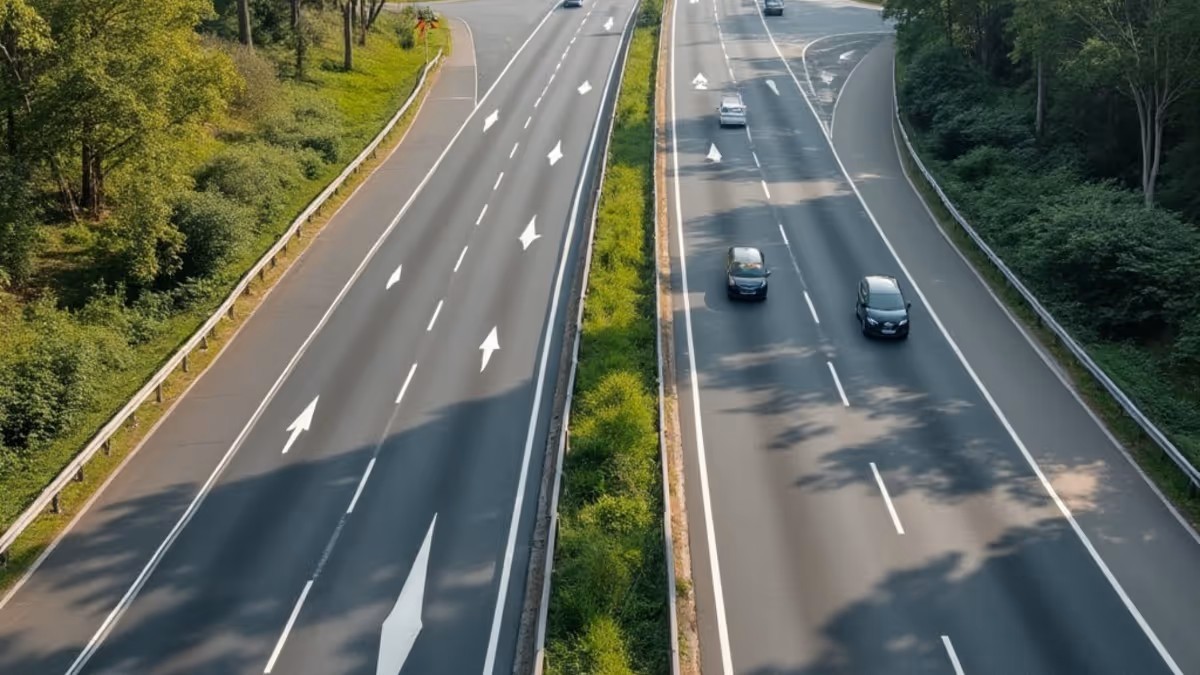
Timely Action for Monsoon-Ready Highways
As monsoon clouds gather over India, the National Highways Authority of India (NHAI) has launched a nationwide initiative to ensure highway safety. Heavy rains often bring flooding, potholes, and landslides, posing serious risks to commuters. To counter these threats, NHAI has initiated a 15-day proactive drive focused on real-time monitoring, drainage cleaning, and emergency repairs.
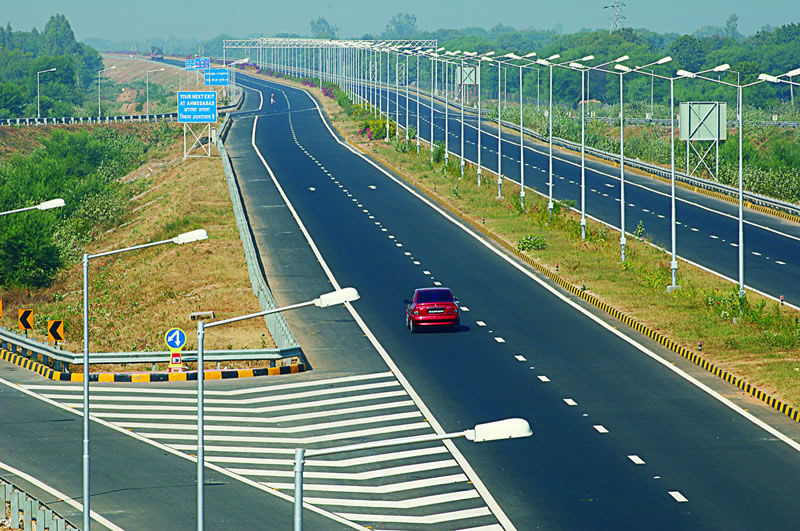 A Unified Push Across States
From Assam to Maharashtra, NHAI teams are already on the ground, identifying vulnerable zones before disaster strikes. This pre-emptive strategy aims to guarantee smoother and safer travel throughout the monsoon season.
Five-Pillar Strategy to Counter Flood Risks
- Physical Inspection & Risk Mapping: NHAI officials, consultants, and contractors are inspecting high-risk areas such as bridges, culverts, RE walls, and drainage structures. They are mapping vulnerable sites to prioritize immediate action.
- Cleaning & Desilting: Teams are actively removing silt and blockages from culverts, drains, and rainwater harvesting systems to prevent water accumulation.
- Emergency Repairs: Workers are filling potholes and fixing slip roads, pavement cracks, and shoulders to reduce accident risks.
- Rapid Response Readiness: NHAI has pre-positioned emergency equipment like excavators, barricades, sandbags, and warning signage at flood-prone locations. Furthermore, it is coordinating closely with local authorities for swift response during extreme weather.
- Technology-Driven Monitoring: By deploying AI-powered Intelligent Traffic Management Systems (ITMS) and drones, NHAI is tracking highway conditions and water flow in real-time.
Real-Time Alerts to Keep Commuters Safe
NHAI has integrated traffic and weather updates into its RajmargYatra mobile app and the IMD’s Meghdoot app. Commuters can now receive instant alerts on weather conditions, route diversions, and safety advisories right on their smartphones.
Emergency Teams on 24×7 Duty
In addition to technology, NHAI has deployed dedicated emergency response teams at critical points. These teams are on standby around the clock to manage floods, landslides, or accidents, ensuring traffic continues to flow with minimal disruptions.
Moreover, field offices are now conducting micro-monitoring of key hotspots in collaboration with local disaster management units, further strengthening on-ground response.
Adapting to Climate Challenges
With climate change making monsoons more intense, highway washouts and urban flooding are becoming common. However, NHAI’s forward-thinking strategy—based on digital tools and decentralized decision-making—marks a shift toward climate-resilient infrastructure.
By integrating AI, mobile apps, and drone surveillance, India’s highway management is evolving to become more intelligent and future-ready.
Conclusion: Road Safety Begins Before the Rain
India’s highways transport millions of commuters and essential cargo every day. Thanks to NHAI’s proactive monsoon plan, road safety now begins before the first drop of rain. By merging field action with digital innovation, the authority is creating smarter, safer, and weather-resilient roads.
Ultimately, this approach ensures that even during severe monsoon conditions, highways remain operational—supporting mobility, economy, and emergency response across the nation.