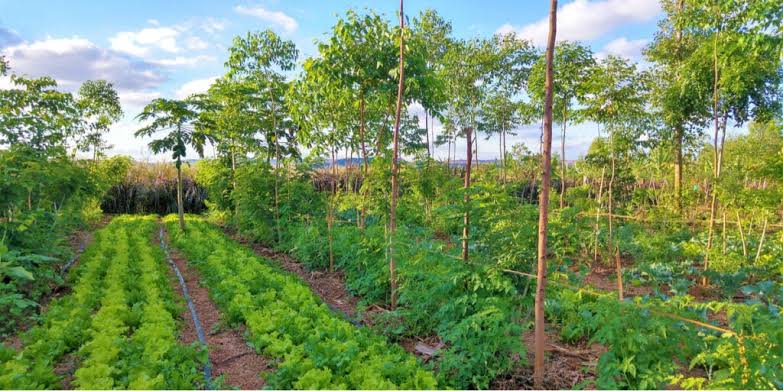
The Union Ministry of Environment, Forest and Climate Change has rolled out a major policy reform to boost tree-based farming. On June 29, 2025, it issued the Model Rules for Felling of Trees in Agricultural Lands, a move set to transform agroforestry across India.
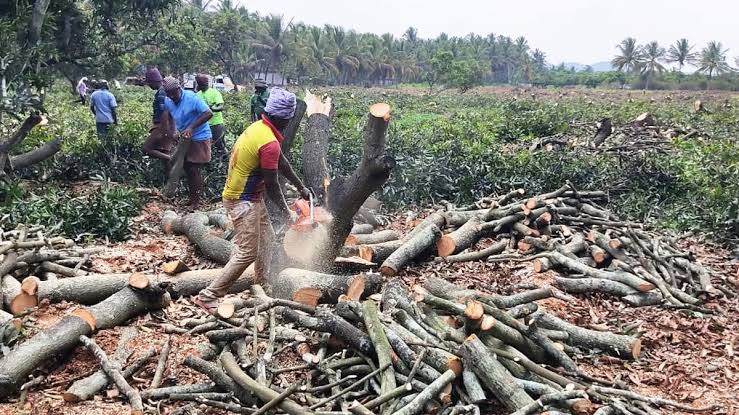 A Big Boost for Agroforestry
Agroforestry, the practice of integrating trees into farmland, is crucial for India. It improves soil health, boosts biodiversity, increases water retention, and enhances climate resilience. More importantly, it creates an extra income source for farmers.
But until now, complicated regulations discouraged many from adopting it. The new model rules aim to fix that. They streamline procedures, simplify tree harvesting permits, and ease timber transportation rules — making agroforestry more attractive and accessible.
What the Model Rules Offer
Here are the key highlights of the Model Rules:
- Online registration of agroforestry plantations
- Use of the upcoming National Timber Management System (NTMS) Portal
- Geo-tagging of farms with KML files and plantation data
- Periodic updates with photos for traceability
- Digital application process for tree felling
- Third-party verification by empanelled agencies
- Transparent permit issuance based on inspections
These reforms will eliminate red tape and speed up approvals, while ensuring ecological safeguards are in place.
Technology to Drive Transparency
The NTMS Portal, being developed under the scheme, is central to this new system. It will allow farmers to register plantations, upload geo-tagged images, and apply for permits online.
This data-driven, digital-first approach is designed to bring accountability and traceability into agroforestry. With fewer physical touchpoints, the model also reduces opportunities for delays and corruption.
Farmer-Centric and Business-Friendly
The reform supports ease of doing business in agroforestry. It encourages domestic timber production, which helps reduce dependence on imports and promotes rural employment. Wood-based industries will benefit from local sourcing, strengthening the overall rural economy.
The State-Level Committees under the Wood-Based Industries Guidelines, 2016 will play a key role in implementation. They will also guide States and Union Territories in adopting the new system.
Balancing Ecology and Economy
The government’s move reflects its effort to strike a balance between ecological needs and economic growth. By simplifying the regulatory maze, the Centre is empowering farmers to plant, grow, and harvest trees without facing undue legal hurdles.
This step aligns with broader goals such as sustainable agriculture, climate action, and the vision of Viksit Bharat @2047.
Next Steps for States and UTs
States and UTs have been urged to adopt the Model Rules and integrate them into their local frameworks. Their participation will determine how quickly and effectively the new system benefits grassroots communities.
Farmers who previously hesitated due to complex permissions will now have the clarity and support they need to grow timber crops on their land.