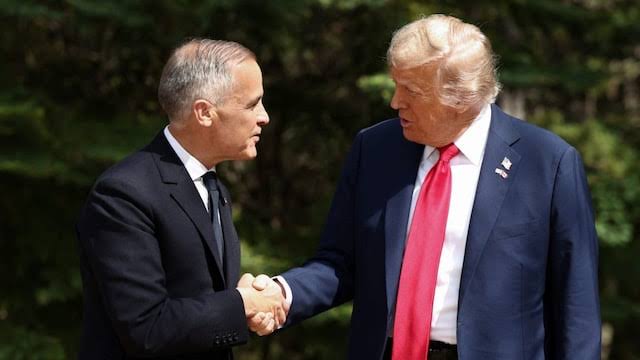
Washington, D.C., July 11, 2025 — In a bold and controversial move, US President Donald Trump has announced a 35% tariff on Canadian imports. The decision, which will take effect on August 1, 2025, is the latest escalation in Trump’s aggressive trade war strategy.
Blanket Tariffs and a Warning to Canada
The US President issued the notice through a letter posted on his social media platform. It was addressed directly to Canadian Prime Minister Mark Carney. Trump made it clear: if Canada retaliates, the tariff rate may go even higher.
“We’re just setting our tariffs,” Trump said during an interview with NBC News. “We’ll work it out now, whether it’s 20% or 15% [for other countries].”
Who Else Is Affected?
Canada isn’t the only country in Trump’s crosshairs. In recent days, the administration has also imposed tariffs on longtime allies like Japan and South Korea. A massive 50% tariff on copper has already stirred concerns in the global commodity market.
According to trade experts, this could be the start of a broader move to impose 15–20% blanket tariffs on other US trading partners as well. While not all countries have received formal notices, Trump confirmed many will be included without prior warnings.
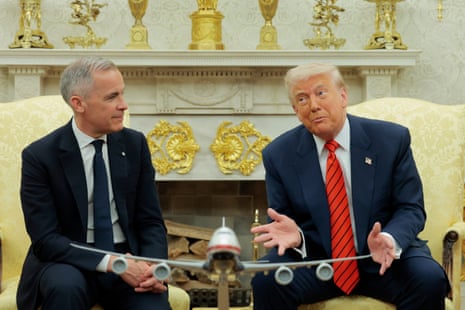 Trump’s “Reciprocal” Tariff Policy
The move aligns with Trump’s long-standing policy of what he calls “reciprocal tariffs.” He argues that America has long been taken advantage of in global trade deals. His new strategy aims to level the playing field by matching or exceeding tariffs imposed by other nations.
“We’re not playing nice anymore,” Trump told NBC. “If they charge us, we charge them more.”
Global Reaction and Economic Uncertainty
The announcement sent shockwaves through international markets. The Canadian government is expected to issue an official response within the week. Trade analysts suggest Canada may retaliate with targeted tariffs of its own, potentially on US agriculture or tech sectors.
International business groups have expressed concern. The World Trade Organization (WTO) may be drawn into disputes if these tariffs spark tit-for-tat trade wars. Experts warn this could disrupt global supply chains and lead to higher prices for consumers.
What This Means for Americans
For US consumers, a 35% tariff on Canadian goods will likely mean higher prices on products like lumber, aluminum, dairy, and automobiles. Economists also warn of inflationary pressures and job losses in industries that depend on imported raw materials.
On the other hand, Trump’s supporters argue this policy will boost domestic production and protect American jobs. “This is about American strength and economic independence,” said one senior White House official.
Political Implications Ahead of Elections
This aggressive trade stance comes ahead of the 2026 midterm elections. Many see it as a strategy to galvanize Trump’s political base. Analysts believe it may help in key manufacturing states, where economic nationalism resonates strongly.
However, critics warn the policy could alienate allies and isolate the US economically. “Tariffs are taxes paid by American consumers,” said former Fed economist Lisa Chang. “In the long run, this could hurt more than help.”
What’s Next?
All eyes are now on Canada’s response. If Prime Minister Carney retaliates, we could see an escalation into a full-fledged North American trade war.
Meanwhile, markets are bracing for impact. Investors are pulling back from stocks tied to cross-border trade. Multinational companies are reassessing supply chains and preparing for disruption.
This developing story underscores the volatility of the current global trade environment under Trump’s leadership. It’s a gamble with high stakes — not just for Canada and the US, but for the global economy as a whole.