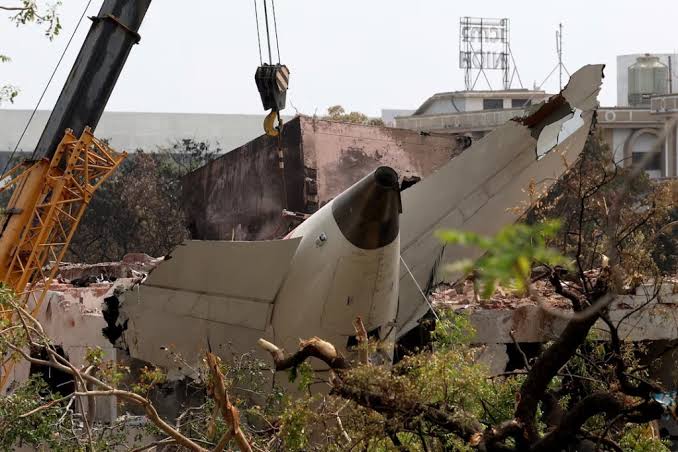
A Tragic Takeoff and Immediate Loss
A month later, a preliminary investigation report is set to be released. This report may finally shed light on what went wrong in those crucial seconds. It’s the worst aviation disaster India has witnessed in decades.
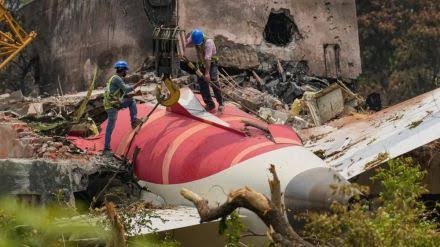 Initial Signs Point to Fuel Switches
One major line of inquiry is focused on fuel control switches. These switches, located in the cockpit’s center console, regulate fuel supply to the aircraft’s two GE Aerospace engines.
The Wall Street Journal reported that both switches might have been accidentally or deliberately turned off, cutting fuel to both engines. Aviation experts say this could result in a complete and sudden loss of thrust.
“Improbable Like Hell,” Says Aviation Analyst
Bjorn Fehrm, a former fighter pilot and aerospace analyst, analyzed video footage of the plane. Everything appeared normal until the aircraft failed to retract its landing gear and lost thrust seconds later.
Fehrm noted that a dual-engine failure is highly unlikely without internal cockpit error. Commercial jets are designed to handle the failure of one engine during takeoff.
Crash Timeline and Key Clues
- Takeoff: Normal departure from Ahmedabad airport
- Seconds Later: Thrust loss and landing gear undeployed
- Mayday: Pilot issued a distress call
- Impact: Aircraft crashed into hostel, igniting a massive explosion
Indian investigators recovered both the cockpit voice recorder and flight data recorder. Boeing, GE Aerospace, and the U.S. NTSB are assisting.
Could It Have Been Accidental?
Experts believe it’s possible the pilot intended to cut fuel to one engine but mistakenly toggled the wrong switch. A similar case occurred in the 1980s when a Delta pilot cut off both engines of a Boeing 767 but managed to restart them at higher altitude.
John Cox, CEO of Safety Operating Systems, explained: “If you move those switches from run to cutoff, those engines will stop running in literally seconds.”
Pilot Backgrounds Under Review
The AAIB is reviewing the experience levels of the pilots involved. Captain Sumeet Sabharwal had over 8,200 flight hours. First Officer Clive Kunder had 1,100 flight hours.
Investigators have not yet found signs of negligence, but this step remains part of standard protocol.
No Evidence of Mechanical Flaws
So far, no design flaws have been found in the Boeing 787 Dreamliner or the GE engines. No alerts or bulletins have been issued by Boeing or the FAA, suggesting no risk to other planes of the same model.
Emergency Power Activation Confirms Dual Failure
The activation of the Ram Air Turbine (RAT) provides strong evidence of dual-engine failure. The RAT deploys only when both engines shut down and main electrical systems lose power.
Why the Report Matters
Aviation experts agree that most crashes involve a chain of failures. This report can help update training procedures, improve cockpit design, and introduce new safety protocols.
For families of the victims, the report offers the first step toward answers and accountability.
What Lies Ahead
The full investigation will continue for months. The final report will likely cover maintenance logs, simulation results, and global manufacturer feedback. For now, the preliminary findings will help guide immediate safety reassessments.