Day 2 Focus: Tech, Transparency, and Data
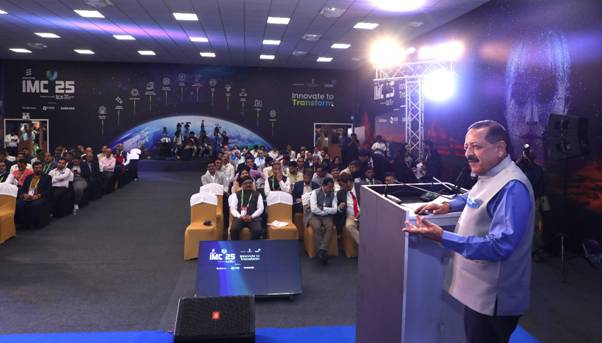
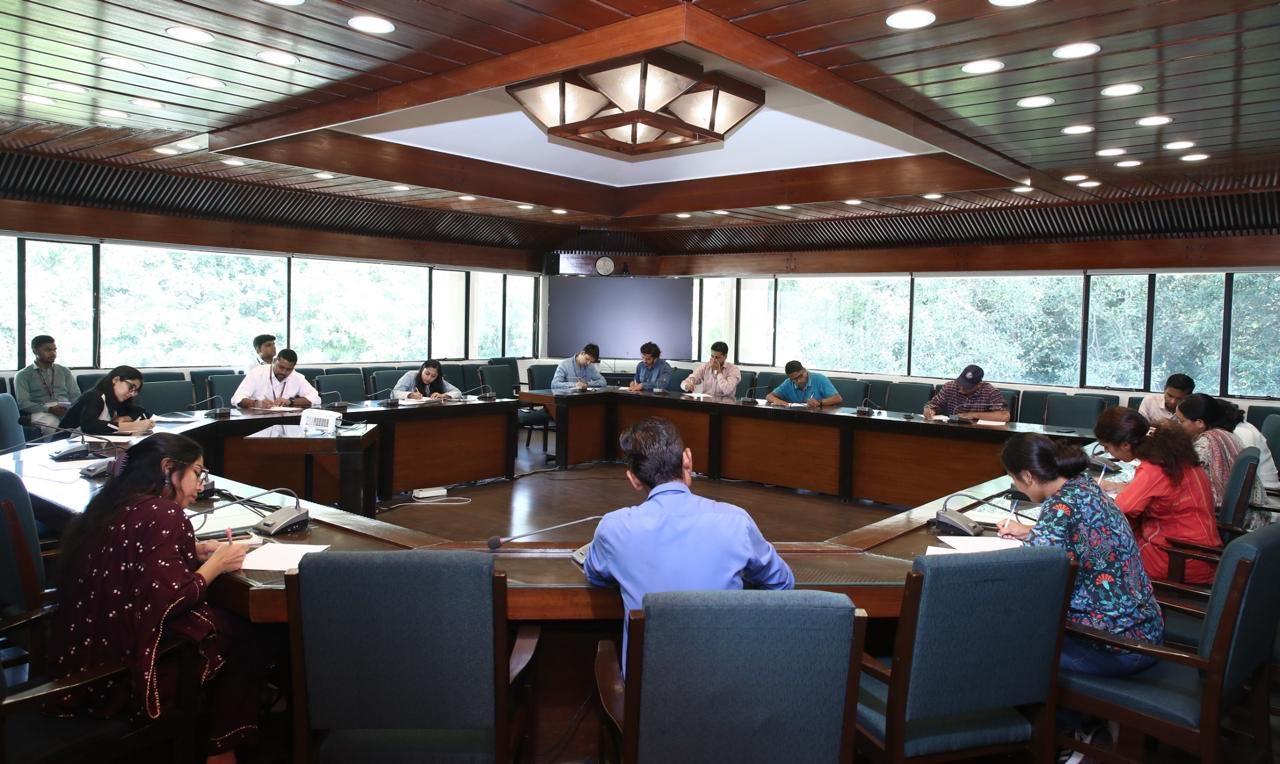
Day two shifted gears towards technology-driven rural water governance. Senior officials like Secretary Shri Ashok K.K. Meena and AS&MD Shri Kamal Kishore Soan joined experts, State PHED engineers, district officials, and partners in rich discussions.
Shri Meena noted, “With mobile phones acting as powerful IoT tools, we must capture real-time water usage and supply data. Data is central to accountability.” He cited examples like JAM Trinity, Meri Panchayat App, and the JJM Dashboard as tools already transforming governance.
 Turning Data into Action
The session titled “From Data Streams to Decision Engines” demonstrated how SCADA systems, AI-based predictive tools, and IoT sensors are enabling smart water systems. These tools help predict faults, monitor pressure, and reduce energy use in pumps.
India-focused innovations, like app-based monitoring systems, offer cost-effective solutions for rural areas. Panelists agreed that digital tools are no longer optional—they form the governance spine of the next-generation O&M model.
Mapping Water with Space Tech and GIS
In a session on GIS and Satellite Applications, teams from BISAG-N, NRSC-ISRO, AIILSG, and Madhya Pradesh PHED shared tech-based models. Highlights included:
- Jal Rekha platform from Madhya Pradesh for real-time asset tracking.
- BISAG-N’s Gati Shakti integration for mapping infrastructure gaps.
- ISRO’s groundwater sustainability mapping using space imagery.
- AIILSG’s GIS tools for predictive fault detection and citizen reporting.
Protecting the Source: Sustainability First
The session titled “Securing the Source” focused on source sustainability and recharge efforts. It presented multi-tier water governance—from village to State level—with examples from:
- Tripura: Groundwater recharge using dug wells and injection systems.
- Uttarakhand: Spring rejuvenation via the SARRA initiative.
- CGWB: Aquifer mapping and recharge structure design.
- Aga Khan Foundation: CSR-backed community water management.
IT Advancements Across States
The final segment highlighted progress in digital governance across States and UTs. Findings included:
- 79% have enabled digital water bill payments.
- 46% provide online tracking of new connections.
- 57% maintain digital databases of water consumers.
- Only 14% have water quality monitoring linked with WQMIS — a major growth opportunity.
Closing Message: Tech as a Necessity
Shri Kamal Kishore Soan praised all participants for their commitment and collaborative spirit. “The future of O&M is digital, inclusive, and people-first,” he emphasized. The workshop ended with a shared resolution to strengthen transparency, accountability, and innovation across rural water services.
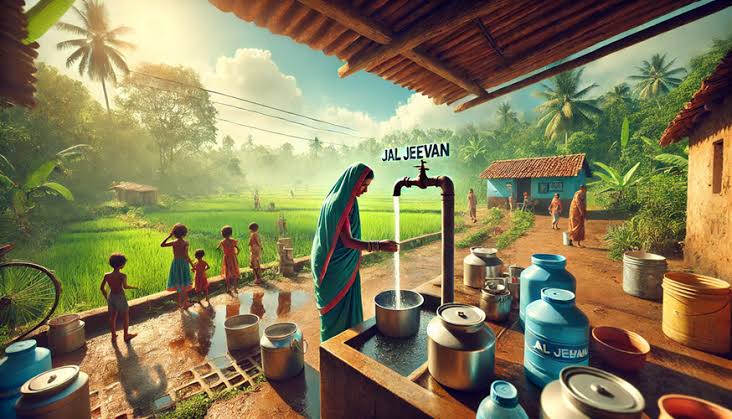
As JJM moves into its next phase, policy, technology, and people must work together to ensure “Har Ghar Jal” becomes a daily reality for every rural Indian household.