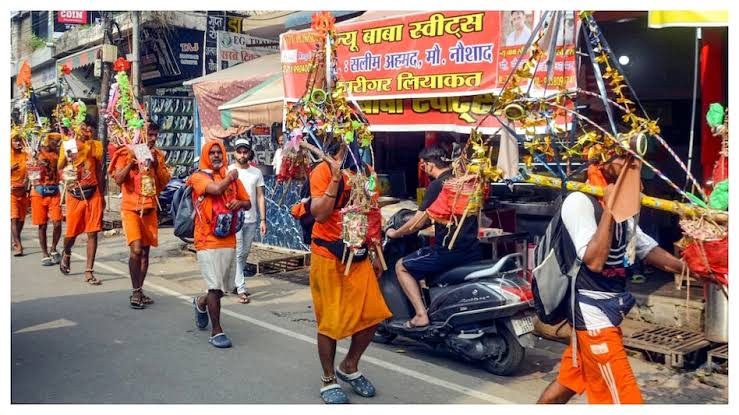
New Delhi, July 13, 2025: A controversial directive by the Uttar Pradesh government—requiring eateries along the Kanwar Yatra route to display QR codes revealing owners’ identities—will now be examined by the Supreme Court. The move has sparked intense debate over religious profiling and privacy rights.
 SC to Hear Plea on July 15
A Public Interest Litigation (PIL) has been filed by academician Apoorvanand Jha and others. The petition challenges the UP government’s June 25 directive, calling it a violation of the right to privacy and equality.
A Bench of Justices MM Sundresh and N Kotiswar Singh is scheduled to hear the case on July 15. The plea argues that the QR code requirement essentially reinstates a previously stayed practice of identity disclosure based on religion and caste.
Directive Triggers Privacy Concerns
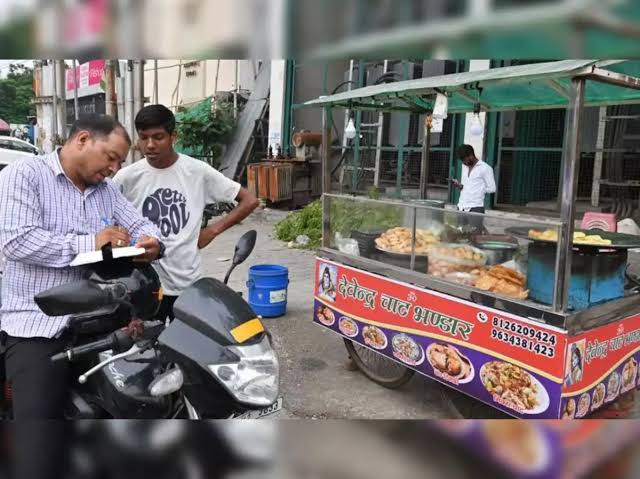
According to the petition, the new rule requires every stall, dhaba, and restaurant along the Kanwar route to display QR codes containing owners’ names, religious identity, and caste background. The petitioners claim this violates Articles 14, 19, and 21 of the Indian Constitution.
“This directive isn’t about food safety or hygiene—it’s about forced disclosure and profiling,” said Mr. Jha, adding that the order endangers both communal harmony and individual rights.
Background: Religious Sensitivities During Kanwar Yatra
The Kanwar Yatra is a major Hindu pilgrimage during the month of Shravan. Devotees, known as ‘Kanwariyas’, carry holy water from the Ganga and walk long distances to offer it to Lord Shiva.
Many participants follow a strict vegetarian diet during this period. Some even avoid onions and garlic. This heightened religious sentiment has previously led to tensions, especially over non-vegetarian food stalls operating along the yatra path.
Similar Orders Previously Stayed
This isn’t the first time such directives have come under legal scrutiny. In 2024, the Supreme Court stayed similar orders issued by BJP-led governments in Uttar Pradesh, Uttarakhand, and Madhya Pradesh. Those directives also sought public display of owner identities in eateries, allegedly for “transparency and safety.”
Legal experts argue that repeating such measures—now in the form of QR codes—is a “technical workaround” to evade judicial restraint.
UP Government Justifies Move
The Uttar Pradesh administration defends the directive, stating it is part of lawful license verification and intended to maintain transparency during the religious event. Authorities insist that the QR code system simplifies inspections and helps devotees make “informed choices.”
However, critics argue that the real motive is to subtly identify Muslim-run eateries and discourage devotees from consuming food at these places.
Samajwadi Party, Civil Rights Groups React
The Samajwadi Party has slammed the move, calling it an example of “state-sponsored religious discrimination.” Several civil rights organizations, including PUCL and HRLN, have also expressed concern over the “normalization of religious profiling.”
“The state cannot use religion as a parameter for regulating businesses,” said a representative of PUCL.
Constitutional and Legal Implications
Experts say the directive challenges multiple fundamental rights:
- Right to Privacy – As upheld in the Puttaswamy judgment
- Right to Equality – Violation of Article 14 if rules target specific communities
- Right to Freedom of Trade – Restrictions without valid reasoning breach Article 19(1)(g)
The PIL demands that the Supreme Court declare the directive unconstitutional and issue an immediate stay order, citing its similarity to earlier quashed measures.
Awaiting the Verdict
All eyes are now on the Supreme Court as it prepares to hear the case on July 15. The verdict could set a precedent for how far state governments can go in regulating business practices on religious grounds.
With religious sentiments high during Shravan, the ruling will have political, legal, and social consequences, especially in a state as pivotal as Uttar Pradesh.