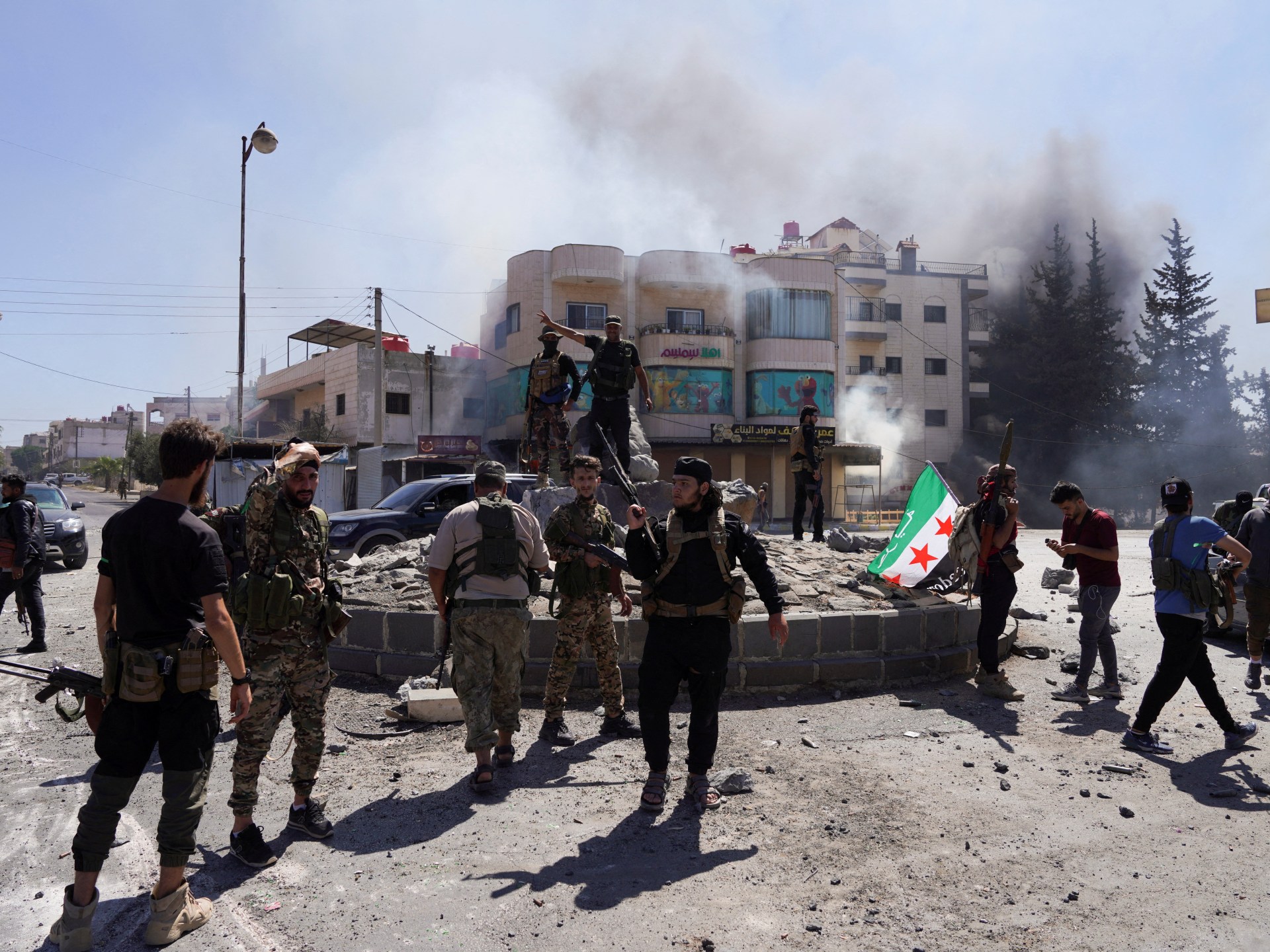
Damascus, July 16, 2025: Tensions in southern Syria escalated sharply after Israel launched a military strike on the Syrian army’s headquarters in Damascus. The strike follows renewed violence against the Druze community in Sweida, a region known for its historical and religious significance.
Why Did Israel Strike?
According to the Israel Defense Forces (IDF), the military targeted the entrance of the Syrian regime’s headquarters. The reason? Ongoing military actions by the Assad government against Druze civilians in southern Syria. The IDF confirmed the move was in direct response to instructions from Israel’s political leadership.
 “The IDF struck the entrance of the Syrian regime’s military headquarters in the area of Damascus,” said the army in a post on X (formerly Twitter). “We continue to monitor the situation and remain prepared for various scenarios.”
Background: What’s Happening in Sweida?
Sweida, a city with a Druze-majority population, has seen mounting unrest. After a ceasefire was agreed upon on Tuesday, fresh clashes erupted the next day. The Syrian Defence Ministry blamed local Druze militias for breaching the agreement, triggering an armed response from government forces.
In a public statement, the ministry said: “Military forces continue to respond to the source of fire inside the city of Sweida, while adhering to rules of engagement to protect residents.”
Druze Concerns Under New Syrian Leadership
The renewed violence comes on the heels of a dramatic political shift. In December 2024, a rebel-led coalition—dominated by Sunni Islamist groups—overthrew President Bashar al-Assad, ending nearly 14 years of civil war. However, peace has remained elusive.
Minority communities, especially the Druze, have grown anxious under the new leadership. In March 2025, tensions boiled over into sectarian clashes, leaving hundreds dead and worsening the humanitarian crisis.
Who Are the Druze?
The Druze are a religious and ethnic minority that originated in the 10th century as a branch of Ismaili Shiite Islam. Of the estimated 1 million Druze worldwide, more than 500,000 live in Syria. Other significant Druze populations are found in Lebanon and Israel, particularly in the Golan Heights—an area annexed by Israel after the 1967 Middle East War.
The community has largely remained neutral throughout Syria’s civil conflict but has recently taken up arms in self-defense.
Is Israel Getting More Involved?
Israel’s involvement marks a major shift in regional dynamics. Though Israel has previously conducted limited operations in Syria—mostly targeting Iranian militias—this direct action against the Assad regime signals increased concern over the fate of the Druze.
Israel’s move could be seen as both a humanitarian gesture and a strategic warning. The Golan Heights, home to a significant Druze population, borders Sweida. Instability in the area poses both security and moral challenges for Israel.
What’s Next for Syria and the Region?
The collapse of the ceasefire and subsequent Israeli airstrike may deepen Syria’s internal conflict. With the new Sunni-dominated government still struggling to consolidate power, minority groups like the Druze are caught in the crossfire.
International observers, including the UN Security Council, have called for restraint on all sides. However, with active military engagement by foreign powers and rising sectarian tensions, the road to stability remains long and uncertain.
Conclusion: A Region on the Edge
As Syria’s internal struggle continues, external interventions like Israel’s latest strike raise the stakes for all regional players. While Israel cites civilian protection as a key motive, its action also reflects broader geopolitical shifts. The world watches closely, hoping for de-escalation—but bracing for further conflict.
Key Facts at a Glance:
- 🛑 Israel struck Syrian army HQ in Damascus amid Druze violence.
- 🕊️ Ceasefire in Sweida collapsed within 24 hours.
- 🕌 The Druze are a minority community facing sectarian attacks.
- 🌍 Global Druze population: ~1 million; Half live in Syria.
- ⚔️ New Sunni-led government struggles to maintain peace post-Assad.