Historic Setback for LDP in Japan’s Upper House Election
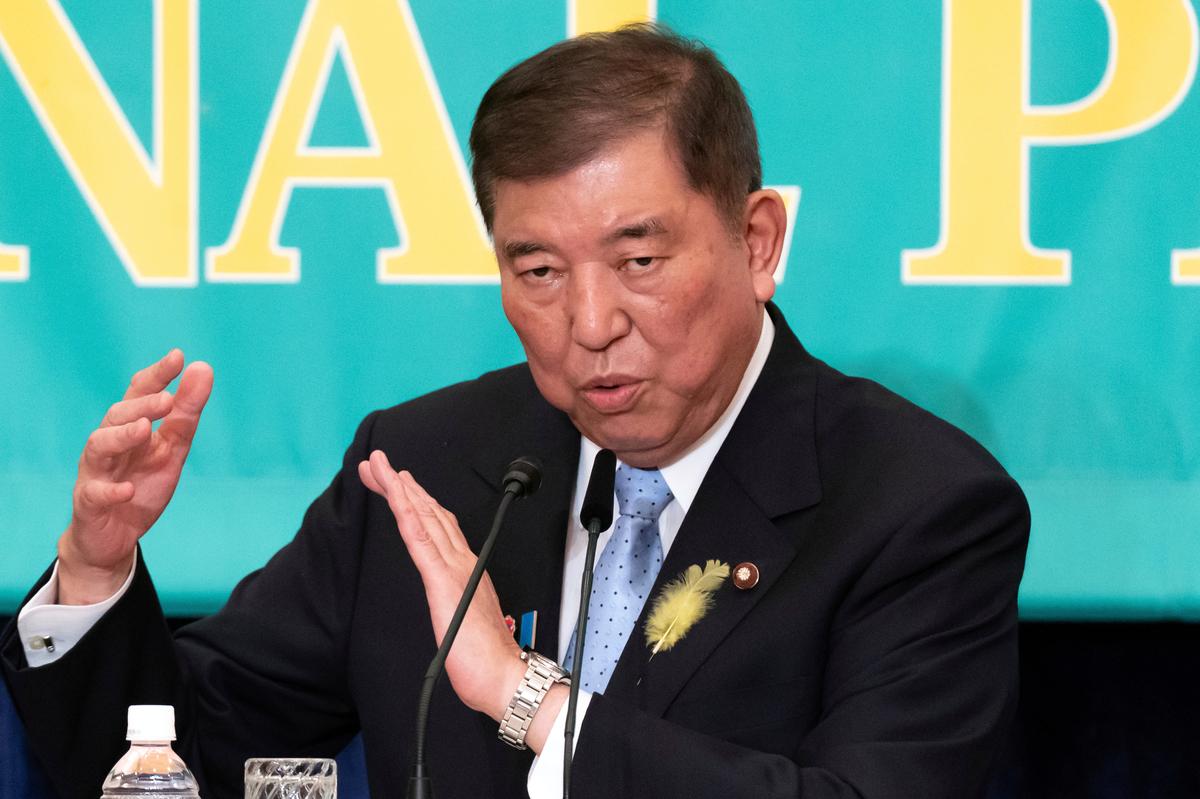
Prime Minister Shigeru Ishiba’s political future is in doubt after a devastating loss in the 2025 upper house elections. For the first time in 70 years, Japan’s ruling Liberal Democratic Party (LDP), along with its partner Komeito, failed to secure a majority in either house of the National Diet.
This election result is not just symbolic — it reflects deep voter dissatisfaction and rising populist sentiments in the world’s third-largest economy.
 What Happened in the Japan Election?
Out of 248 total seats in the upper house, 124 were up for election this year, plus one to fill a vacancy. The ruling coalition needed 125 seats to maintain a majority. They already held 75 uncontested seats. However, they managed to win only 47 of the contested seats, falling short by three seats for a majority, according to NHK projections.
The main opposition, the Constitutional Democratic Party, secured 22 seats. But it was the far-right Sanseito party that stole the spotlight.
Sanseito: The Surprise Winner
Sanseito, a fringe populist party born on YouTube in 2020, won 14 seats — a huge leap from just one seat previously. It campaigned on a strong anti-immigration stance with the slogan “Japanese First.”
The party also capitalized on conspiracy theories related to COVID-19 and promised tax cuts and increased welfare. According to Reuters, it gained massive support by warning of a “silent invasion” of immigrants and a global elite’s agenda.
What Does This Mean for Ishiba?
Ishiba’s position as Prime Minister is now shaky. He has already lost control of the lower house in the October 2024 elections. This new defeat has left his administration vulnerable to no-confidence motions and internal revolt within the LDP.
Despite the blow, Ishiba told NHK that he plans to stay. “It’s a difficult situation, and we must take it humbly and seriously,” he said during a TV interview on Sunday night.
Leadership Uncertainty in the LDP
With both houses out of the ruling coalition’s control, the LDP faces a leadership crisis. Political experts suggest that Ishiba may be replaced. However, no clear successor has emerged yet.
“Ishiba may be replaced by someone else, but it’s not clear who will step up,” said Professor Hidehiro Yamamoto from the University of Tsukuba in a quote to Agence France-Presse (AFP).
Tariff Talks with US Loom Over Japan
The election results could not have come at a worse time. Japan faces an August 1 deadline to finalize a trade deal with the United States. The stakes are high, especially with the threat of punitive tariffs looming over key Japanese exports.
Ishiba stressed the importance of these talks, saying, “We must never ruin these negotiations.”
Voter Sentiment: Shift to Nationalism and Change
Analysts believe the rise of Sanseito reflects growing dissatisfaction among Japanese voters. Many are concerned about stagnant wages, immigration, and perceived government inaction.
Joshua Walker of the Japan Society in the US remarked, “Sanseito is gaining traction not because it is strong, but because the LDP is weak.”
What’s Next for Japan’s Politics?
Japan is now at a political crossroads. Without majority control in either chamber, the LDP will need opposition cooperation to pass legislation. This could either push them toward reform or lead to political paralysis.
For now, Ishiba clings to power, but his grip is weakening. The coming weeks will determine whether he can steer Japan through turbulent waters or be replaced by yet another LDP leader — the 11th since 2000.