Supreme Court Raises Concerns Over Bihar’s Voter Roll Cleanup
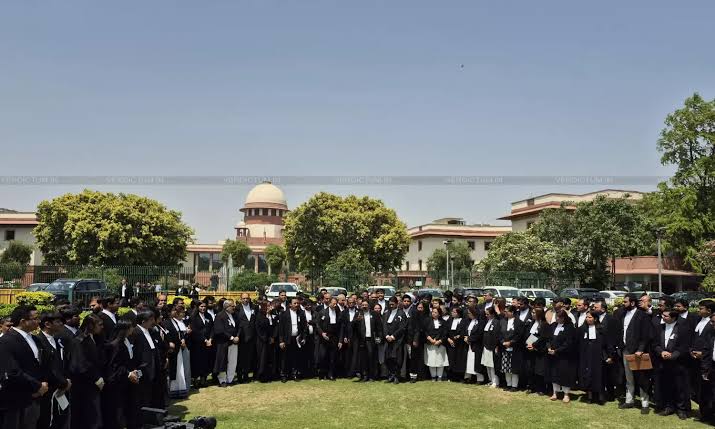
A Bench comprising Justice Surya Kant and Justice Joymalya Bagchi made it clear — if the Election Commission strays from legal norms, the Court will step in. “We will interfere,” Justice Kant warned during the latest hearing.
 Key Dates and Legal Timeline
Petitions were filed challenging the ECI’s June 24 directive that ordered a revision of the electoral rolls. The Supreme Court will hear arguments on August 12 and 13. A second phase of the hearing may take place in September.
The Court has also set August 8 as the deadline for filing all pleadings. Advocate Neha Rathi has been appointed as the nodal counsel for the petitioners.
Why the Petitions Were Filed
The petitioners, including Association for Democratic Reforms (ADR), argue that the ECI’s move violates multiple Constitutional provisions: Articles 14 (equality before law), 19 (freedom of expression), 21 (right to life and liberty), 325, and 326 (voting rights).
According to advocate Prashant Bhushan, nearly 65 lakh voters are being excluded. He claimed many of them are alive but incorrectly removed.
“They’re saying most of the 65 lakh are deceased. But there is no clarity,” Bhushan told the Court.
ECI’s Defense: Accuracy and Security
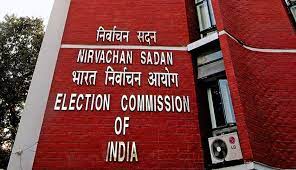
The ECI has defended its decision, citing urban migration, demographic shifts, and outdated rolls not revised in nearly 20 years. It claims powers under Article 324 of the Constitution and Section 21(3) of the Representation of the People Act, 1950.
Senior Advocate Rakesh Dwivedi, representing the ECI, assured that the final list would only be ready after public objections are addressed, most likely by September 15.
The ECI also highlighted that documents like Aadhaar and ration cards can be forged — a concern the Supreme Court shared. On Monday, the Court suggested Aadhaar should be included among acceptable ID proofs for voter verification.
Balancing Accuracy and Rights
This case underscores the delicate balance between ensuring clean electoral rolls and protecting voter rights. While the ECI’s intent is to prevent fraud, mass exclusions raise red flags over transparency and fairness.
The Court acknowledged these concerns, indicating that the draft list will be closely examined during the August hearing. Justice Kant stressed the two-stage process: the first to review the draft roll, and the second in September to address post-objection results.
What Happens Next?
The Supreme Court’s warning sends a strong message — any deviation from rules will trigger intervention. With elections nearing, the verdict could shape how future voter list revisions are handled across India.
All eyes will be on the hearings in August and September. The outcome could set a legal precedent for electoral reforms and safeguard millions of voter identities.
Why This Matters
- 65 lakh voters at stake
- Supreme Court warning could limit ECI overreach
- Impacts Bihar Assembly Elections 2025
- Raises questions on Aadhaar’s reliability in elections
- Sets precedent for other states facing voter roll controversies
Conclusion
The Supreme Court’s involvement has turned the spotlight on the need for fairness and legality in voter list revisions. The Bihar SIR case isn’t just about one state — it’s about upholding democratic values nationwide.
As the hearing dates approach, both citizens and officials await the Court’s guidance on one of the most crucial steps in the electoral process: ensuring every valid vote counts.