India is accelerating toward a cleaner, smarter mobility future. On August 4, 2025, NITI Aayog launched a landmark report titled ‘Unlocking a $200 Billion Opportunity: Electric Vehicles in India’. This report lays out the blueprint for India’s transition to electric mobility by 2030.
The report was released by Shri Rajiv Gauba, Member of NITI Aayog, in the presence of dignitaries including CEO Shri B.V.R. Subrahmanyam and Secretary Shri Kamran Rizvi. It marks a turning point in India’s clean transport ambitions.
Why Electric Vehicles Matter for India
India aims to achieve 30% EV penetration in total vehicle sales by 2030. This transition is not only crucial for reducing carbon emissions but also offers a massive $200 billion market opportunity.
EV adoption has grown steadily. In 2016, India recorded only 50,000 EV sales. By 2024, this number jumped to 2.08 million units. In comparison, global EV sales surged from 918,000 to 18.78 million during the same period.
India’s pace is still catching up. But the gap is narrowing. In 2020, India’s EV penetration was one-fifth of global levels. By 2024, it rose to over two-fifths. That’s real progress—and there’s more to come.
 What’s in the NITI Aayog EV Report?
The EV Report from NITI Aayog was developed through seven rounds of stakeholder consultations. It brings together insights from policymakers, industry experts, and civil society.
It identifies critical barriers such as:
- High upfront costs of EVs
- Lack of charging infrastructure
- Limited financing options
- Low consumer awareness
More importantly, it suggests strategic unlocks like:
- Battery manufacturing incentives
- Streamlined EV policies across states
- Support for startups and EV innovators
- Expansion of charging networks in cities and highways
Immediate Action Points
The report emphasizes the need for immediate policy shifts to jumpstart the EV ecosystem. These include:
- Data sharing across ministries and sectors
- Subsidies for commercial EV fleets
- Public-private partnerships for infrastructure
- Unified national EV mission governance
Shri Rajiv Gauba remarked, “India stands at the cusp of a transformative shift in clean mobility. This report provides policy-aligned insights to unlock scale and growth.”
CEO B.V.R. Subrahmanyam added, “NITI Aayog has been leading the charge. This report offers timely recommendations to fast-track EV adoption in India.”
The $200 Billion Potential
The report estimates that by 2030, India’s EV market could unlock a $200 billion opportunity. This includes savings from oil imports, job creation, battery production, and charging infrastructure.
That’s not just economics—it’s empowerment. Millions of people could benefit from green jobs, improved air quality, and affordable transport.
India’s EV Journey: Challenges and Momentum
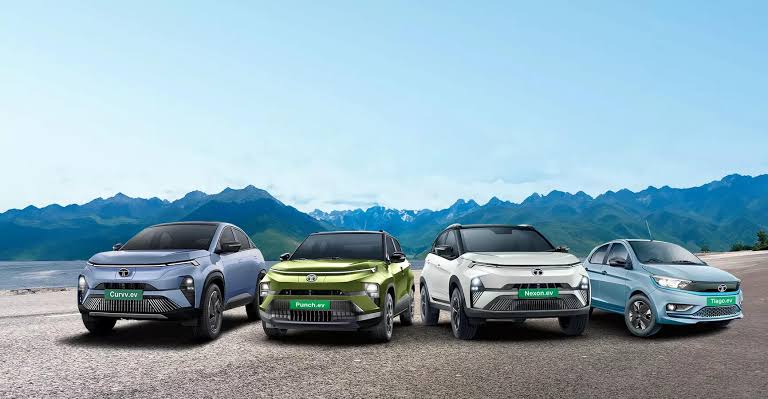
India’s transition has been cautious but forward-moving. While challenges remain, the momentum is building. From electric two-wheelers to e-buses and EV startups, the landscape is changing rapidly.
Government support under FAME II, state EV policies, and industry partnerships have helped. But the report stresses: to hit 30% by 2030, we must accelerate now.
A Unified National Push
The EV transition cannot succeed in silos. It needs cross-sector collaboration—between transport, energy, finance, and urban development.
That’s why the report calls for integrated policymaking, public-private partnerships, and a national EV dashboard for tracking real-time progress.
Conclusion: The Time to Act Is Now
NITI Aayog’s report is more than a policy document. It’s a call to action. India has the talent, the demand, and the innovation. What’s needed is collective effort and bold execution.
With visionary planning, the dream of clean, affordable, and sustainable mobility can become India’s reality. The $200 billion opportunity is within reach—but only if we accelerate today.