India’s vibrant culture is its soul. And to protect this soul, the government is supporting artists from every section of society, especially the Scheduled Castes (SCs). Through schemes like the Kala Sanskriti Vikas Yojana (KSVY), the Ministry of Culture is ensuring that no voice in the cultural space goes unheard.
What Is Kala Sanskriti Vikas Yojana?
KSVY is a Central Sector Scheme. It is designed to promote traditional and modern art forms in India. It offers financial help to individuals and cultural organizations working in the fields of theatre, music, dance, and folk arts.
This scheme also strongly supports Scheduled Caste artists, ensuring they get equal opportunities to train, perform, and showcase their talents.
 Strong Financial Support Over the Years
The government has shown consistent commitment through yearly allocations. According to a PIB release dated 04 August 2025, the funds utilized have matched the funds allocated every year:
- 2021–22: ₹177.30 Cr
- 2022–23: ₹214.32 Cr
- 2023–24: ₹218.65 Cr
- 2024–25: ₹207.24 Cr
These funds go toward training, organizing festivals, and supporting SC artists in various forms of art.
Key Components Under KSVY
The scheme has multiple components, each tailored to uplift artists and preserve India’s cultural legacy.
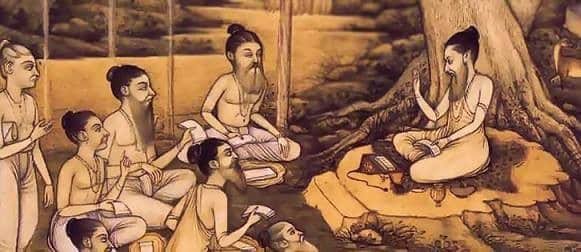
1. Promotion of Guru–Shishya Parampara (Repertory Grant)
This unique initiative promotes ancient traditions of teaching through the Guru–Shishya bond. Each guru receives ₹15,000/month, while each student (shishya) receives ₹2,000–₹10,000/month based on age and category.
Support is available for dramatic groups, children’s theatre, and music ensembles.
2. Financial Assistance to Cultural Organizations
- Organizations with national presence can receive ₹1–5 crore in funding.
- The Cultural Function & Production Grant supports seminars, workshops, and music/drama festivals with grants up to ₹20 lakhs.
These funds are accessible to registered trusts, NGOs, and educational institutions across India.
3. Support for Regional Cultural Heritage
To protect India’s diversity, there are special grants:
- ₹10–30 lakh for Himalayan cultural heritage (e.g., in J&K, Uttarakhand, Arunachal).
- Up to ₹1 crore for Buddhist/Tibetan monasteries and institutions.
This fosters inclusive cultural growth beyond the mainstream regions.
Empowering Through Infrastructure and Events
4. Construction of Tagore Cultural Complexes (TCC)
The government funds up to ₹15 crore for building or modernizing auditoriums, rehearsal halls, and performance spaces. These complexes are inclusive and open to SC artists and local talent.
NER states get 90% central assistance. Other states follow a 60:40 central-state funding model.
5. Domestic Festivals and Rashtriya Sanskriti Mahotsavs
Since 2015, 14 national cultural festivals have been organized. These events give SC and marginalized artists nationwide exposure. Performers are handpicked through Zonal Cultural Centres (ZCCs).
Scholarships and Fellowships for Cultural Research
6. Scholarships for Young Artists
Youth aged 18–25 can receive ₹5,000/month for two years for advanced training in folk, classical, and visual arts. Each year, 400 scholarships are offered across disciplines.
7. Fellowships for Cultural Research
- 400 Junior and Senior Fellowships with ₹10,000–₹20,000/month stipends.
- Tagore National Fellowships offer ₹80,000/month to scholars working on cultural projects in national institutions.
Care and Dignity for Veteran Artists
The Financial Assistance for Veteran Artists scheme ensures that artists above 60 years, who have served culture all their lives, do not fade into obscurity. Eligible veterans receive ₹6,000/month. In case of death, this support continues for the spouse.
Seva Bhoj Yojana: Supporting Faith and Service
This unique scheme refunds GST paid on raw food items used by religious and charitable institutions to serve free meals. Gurudwaras, temples, mosques, churches, and ashrams benefit. The scheme supports India’s age-old tradition of community service and ensures that no person is turned away from a langar or bhandara due to lack of resources.
Strict Monitoring and Transparency
All fund usage is monitored via Utilization Certificates, photos/videos, completion reports, and even on-site inspections. This ensures transparency and effective delivery of benefits.
A Step Towards Inclusive Cultural Growth
India’s culture is too rich to be limited to the privileged few. Schemes under the Kala Sanskriti Vikas Yojana are proof that the government is walking the talk on SC artist empowerment and cultural inclusivity.
As each artist receives training, performs on stage, or receives recognition, it’s a win for the entire nation. The schemes are not just financial aid—they are a lifeline, a platform, and a promise.