The most vulnerable tribal groups (PVTGs) in Odisha are witnessing change—real, measurable change. Thanks to PM-JANMAN (Pradhan Mantri Janjati Adivasi Nyaya Maha Abhiyan), thousands of tribal families are stepping into a new era of opportunity, dignity, and development.
A Multi-Ministry Mission for Tribal Empowerment
PM-JANMAN is not just another welfare scheme. It is a comprehensive tribal empowerment initiative involving 11 major interventions executed through 9 line ministries. The goal? Uplift India’s 75 PVTGs, who’ve historically faced extreme isolation and deprivation.
In Odisha, home to 13 of India’s 75 PVTGs, the implementation of PM-JANMAN has picked up remarkable pace. The Union Minister of State for Tribal Affairs, Shri Durgadas Uikey, confirmed the details in Lok Sabha on August 7, 2025.
What’s Changing on the Ground in Odisha?
From housing to roads, water to health, and education to power—change is visible across the remotest tribal hamlets in Odisha. Here’s a breakdown of what’s already been sanctioned and ongoing as of June 30, 2025:
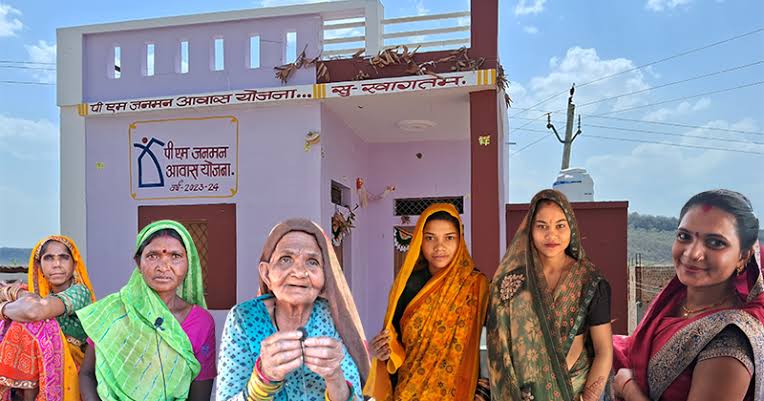
- 41,341 pucca houses sanctioned (Ministry of Rural Development)
- 211.14 km of connecting roads built for better access
- 1,110 villages to receive piped water supply (Ministry of Jal Shakti)
- 50 mobile medical units (MMUs) launched to bring healthcare to doorsteps
- 89 Anganwadi Centres under construction for nutrition and early education
- 76 hostels sanctioned for tribal students (Ministry of Education)
- 3,358 households electrified (Ministry of Power)
- 459 remote habitations selected for mobile tower installation (Ministry of Communications)
These numbers highlight a focused effort to ensure infrastructure, services, and dignity reach Odisha’s tribal communities—wherever they are.
 Empowering Through Multipurpose Centers and VDVKs
The Ministry of Tribal Affairs has taken a strategic approach with two major grassroots initiatives:
1. Multipurpose Centers (MPCs)
These centers act as community hubs—for skilling, awareness, social events, and government services. In Odisha, 74 MPCs have been sanctioned to directly benefit PVTG families across several districts.
2. Van Dhan Vikas Kendras (VDVKs)
Tribal communities have deep knowledge of forest produce. VDVKs help them turn this into economic power. Odisha has received approval for 43 VDVKs—aimed at processing, branding, and marketing Minor Forest Produce (MFP).
Tracking the Financial Progress
As of the 2025-26 financial year, fund allocations and utilization reflect a growing commitment to tribal welfare:
| Intervention | Funds Sanctioned (₹ Cr) | Funds Released (₹ Cr) | Utilization Certificates (UCs) |
|---|---|---|---|
| Multipurpose Centers (MPCs) | 12.68 (2023–24) | 23.92 | Pending |
| VDVKs | 11.85 (2023–24) | 1.784 | UCs yet to be received |
Despite some delays in utilization certification, the scale of disbursement underscores active implementation and increasing trust in local tribal organizations.
Real Change, Real People
Behind every number is a story. A child walking to a proper school hostel. A mother accessing clean water. A tribal entrepreneur building a business through VDVKs. These are not statistics—they are lives transformed.
In Kandhamal and Rayagada districts, families are moving from thatched roofs to safe concrete homes. In remote Mayurbhanj villages, piped water and mobile medical vans are saving lives. And in Koraput, tribal youth are gaining skills and income through MPC training modules.
A Model for Inclusive Development
What makes PM-JANMAN in Odisha special is its integrated model. Ministries don’t work in silos. They come together—with a single mission: tribal justice, dignity, and opportunity.
The efforts align with India’s tribal-first development strategy that doesn’t just bring services to PVTGs but builds trust, capacity, and self-reliance.
Looking Forward
The journey isn’t over. The Ministry of Tribal Affairs continues to scale efforts. More MPCs and VDVKs are expected in the coming quarters. The telecom and education interventions are being expanded. And the government is closely monitoring progress to ensure no tribal community is left behind.
For Odisha, PM-JANMAN is more than a scheme—it’s a movement of hope and justice. A model of how the last can become the first.