India is taking bold steps to promote organic textiles and naturally colored garments at the international level. With a mix of innovation, traditional craftsmanship, and sustainability, the government aims to position India as a leader in eco-friendly fashion.
National Initiatives for Sustainable Textiles
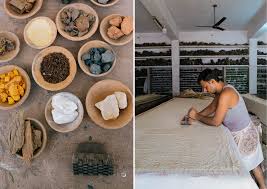
Under the National Handloom Development Program, two key components—Mega Cluster Development Programme and Need-based Special Infrastructural Projects—are driving change. These schemes offer financial assistance to set up dye houses and promote natural and vegetable dyes, with support provided to states upon proposal.
Such efforts not only preserve traditional dyeing techniques but also reduce chemical pollution in textile production. This aligns with global demand for sustainable and ethical fashion.
 Research and Development in Natural Dyes
The Ministry of Textiles has approved three dedicated R&D projects focusing on natural dyes. These projects explore innovative methods to extract, process, and apply dyes from plants and other natural sources.
Natural dyes, unlike synthetic ones, are biodegradable and non-toxic, making them ideal for both the environment and human health.
India Handloom Brand – Quality with Sustainability
Launched by the Ministry of Textiles, the India Handloom Brand (IHB) ensures that handloom products are high in quality and have “zero defects, zero effect” on the environment. Products using natural dyes are registered under IHB by the Textiles Committee, a statutory body under the ministry.
This branding boosts market trust and helps artisans connect with both domestic and international buyers who value sustainability.
Boosting Organic Cotton Supply for Global Brands
The Project on Sustainability and Value Added in Agriculture Value Chain is expanding the supply of organic cotton in India. This project also builds market linkages with leading international fashion brands, opening new export opportunities for Indian farmers and weavers.
Organic cotton cultivation avoids harmful pesticides and conserves water, which is a growing concern in global agriculture.
ICAR-CICR’s Breakthrough in Naturally Colored Cotton
The ICAR-Central Institute for Cotton Research (CICR) is at the forefront of developing organic cotton farming practices. It has released seed varieties of naturally colored cotton for commercial cultivation, reducing the need for chemical dyes.
Such innovations ensure that garments are eco-friendly right from the farm to the final product.
Showcasing at Bharat Tex 2025
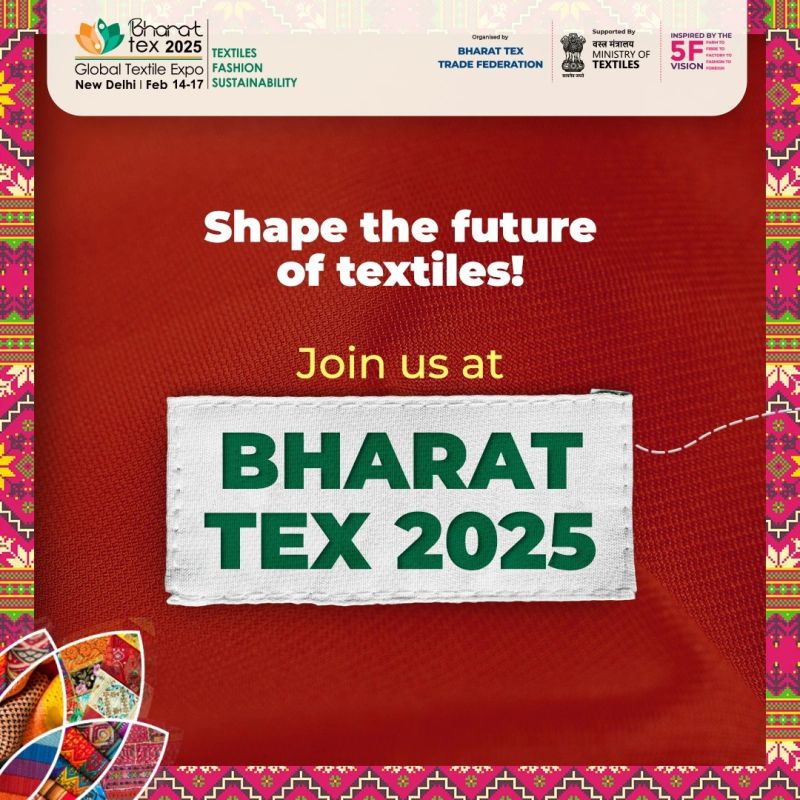
At Bharat Tex 2025, India showcased a diverse range of organic fibres such as milkweed and cotton, along with natural dyes. The exhibition generated awareness among global buyers and highlighted India’s rich heritage in sustainable textiles.
Why Organic Textiles Matter Globally
According to UNCTAD, the global market for sustainable fashion is growing rapidly as consumers demand eco-friendly products. India’s promotion of organic textiles not only supports the environment but also strengthens its position in the international fashion market.
Natural and organic garments are also hypoallergenic, making them safer for people with sensitive skin. This adds a health benefit to their environmental advantages.
Looking Ahead
The government’s vision is clear—create a strong ecosystem for sustainable textile production and export. By combining R&D, branding, artisan support, and global outreach, India aims to make its organic textile sector a global leader.
The journey will require continuous innovation, awareness campaigns, and international partnerships. However, with initiatives like IHB, organic cotton projects, and international showcases, the foundation is already strong.