India’s 2047 Mission to Eliminate Sickle Cell Disease
India has set a bold health goal — to eliminate Sickle Cell Disease (SCD) by 2047.
This mission is not just about tackling a genetic disorder.
It’s about restoring dignity, ensuring health equity, and building a stronger nation.
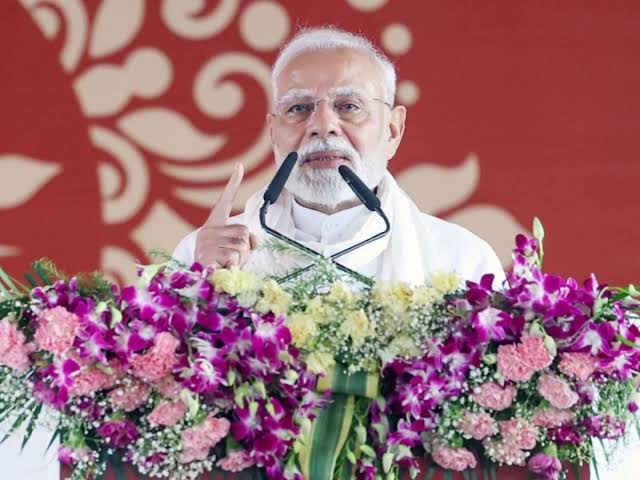
The vision, shared by Prime Minister Narendra Modi and Union Minister Jagat Prakash Nadda, marks a turning point in India’s public health journey.
A National Health Milestone
Sickle Cell Disease affects the red blood cells, making them rigid and sickle-shaped.
This leads to severe pain, anemia, infections, and even organ damage.
The disease is most common among tribal and disadvantaged communities, particularly in states like Madhya Pradesh, Chhattisgarh, Odisha, Maharashtra, and Gujarat.
The National Sickle Cell Anaemia Elimination Mission, launched in 2023, is designed to screen, counsel, and treat millions.
The target is ambitious — a Sickle Cell Disease-free India by 2047, the year the country celebrates 100 years of independence.
PM Modi’s Call for a Health Revolution
Sharing Nadda’s article on X (formerly Twitter), PM Modi called it “a new era in public health”.
He stressed that the mission addresses not just a medical challenge but also a matter of social justice.
“From tackling a genetic disorder to ensuring equity and dignity,” the PMO India post read, “this is a landmark step for the nation.”
 What the Mission Covers
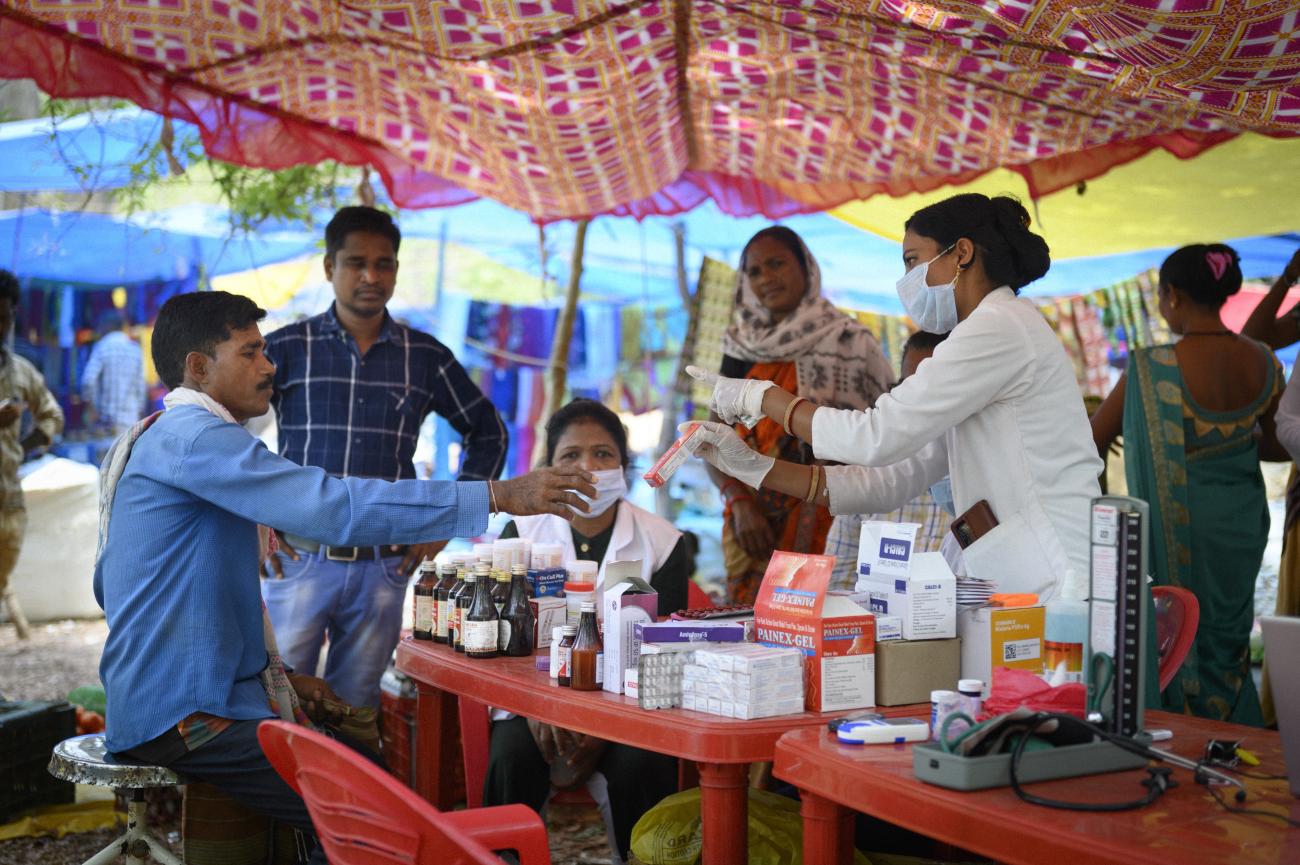
The mission focuses on three main pillars:
-
Early Screening
Every child in affected districts will be screened before the age of 18.
This will help in early diagnosis and prevention of complications. -
Counselling and Awareness
Families will receive genetic counselling to understand how SCD is inherited.
Awareness campaigns will target schools, health workers, and communities. -
Treatment and Support
Free medicines, follow-up care, and nutritional support will be provided.
Healthcare centres will be equipped to handle emergencies.
The Scale of the Challenge
According to the Ministry of Health, over 1.3 crore people in India carry the sickle cell trait.
More than 20 lakh people are living with the disease, often without proper treatment.
Tribal communities face the highest burden.
Lack of awareness, poor access to healthcare, and social stigma make the problem worse.
Children often drop out of school due to frequent illness, deepening cycles of poverty.
Why 2047 Matters
The year 2047 is not just a symbolic milestone.
It aligns with India’s broader vision for Amrit Kaal, a period of growth, equality, and empowerment.
By setting a long-term target, the government is ensuring that efforts go beyond short-term relief.
It creates a framework for sustained investment in healthcare infrastructure, research, and social outreach.
Technology in the Fight Against SCD
Digital health tools will play a major role.
The mission plans to integrate screening data into the Ayushman Bharat Digital Mission.
This will ensure real-time tracking of patients and better coordination among healthcare workers.
Portable diagnostic kits and mobile health vans will bring screening to remote areas.
This is crucial for tribal villages where hospitals are miles away.
Stories from the Ground
In Madhya Pradesh, 14-year-old Meena was diagnosed during a school screening drive.
She now receives free medicines and regular check-ups at the local health centre.
Her attendance at school has improved, and her parents are learning how to manage the disease.
Such stories show how targeted interventions can change lives.
They also highlight the importance of reaching the most vulnerable communities.
International Relevance
The World Health Organization (WHO) estimates that over 3 lakh babies are born each year worldwide with Sickle Cell Disease.
India’s large-scale mission could become a global model for other countries battling the disease.
The Road Ahead
Eliminating Sickle Cell Disease in two decades will require:
-
Consistent funding for medicines, infrastructure, and awareness.
-
Trained medical staff in rural and tribal regions.
-
Community participation to overcome stigma and myths.
-
Collaboration between central, state, and local bodies.
Public health experts stress that sustained political will is as important as medical technology.