Focus on Alaska Summit
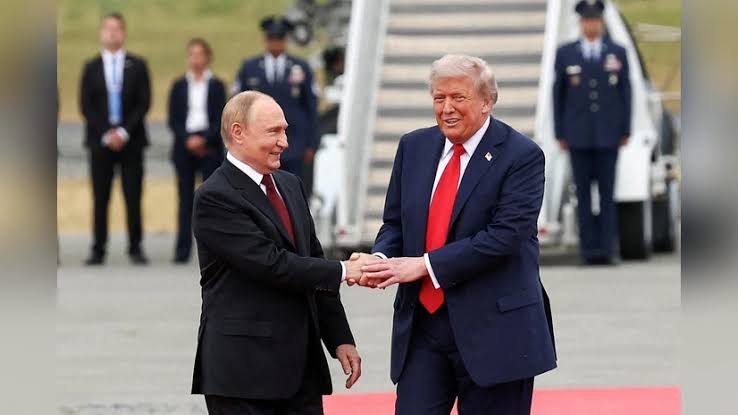
The call came just three days after the Alaska summit ended without a breakthrough on a ceasefire agreement. The talks between Trump and Putin drew international attention as they explored possibilities of a negotiated peace deal. However, the absence of a concrete roadmap left uncertainty over the future of the conflict.
During his discussion with Modi, President Putin shared insights from the summit, including Russia’s assessment of American positions. The outreach reflects Moscow’s efforts to keep New Delhi informed as a trusted partner with strong ties to both Russia and the West.
 India’s Consistent Stand
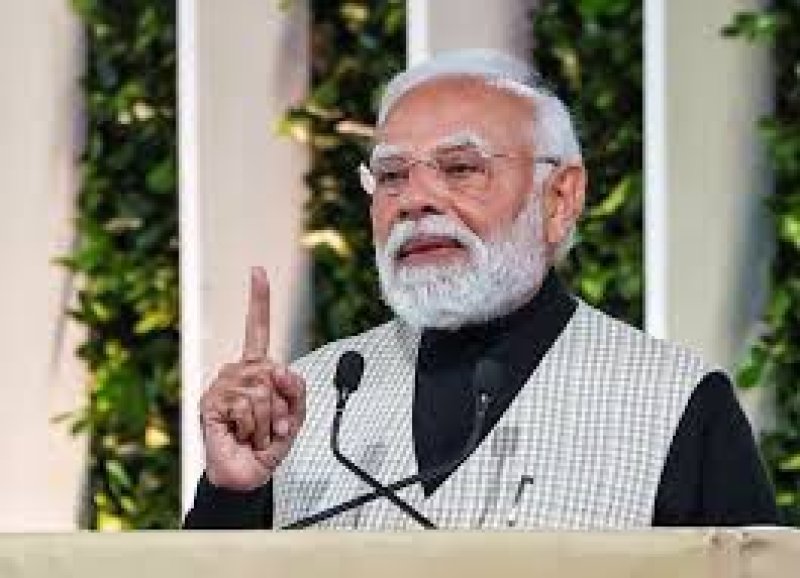
Prime Minister Modi reaffirmed India’s position that only dialogue and diplomacy can end the ongoing Ukraine conflict. He emphasized that India has consistently called for restraint, de-escalation, and peaceful resolution of disputes. India has maintained a careful balance — refraining from direct alignment while engaging with all key stakeholders.
In a post on social media platform X, Modi wrote: “Thank my friend, President Putin, for his phone call and for sharing insights on his recent meeting with President Trump in Alaska. India has consistently called for a peaceful resolution of the Ukraine conflict and supports all efforts in this regard.”
India as a Global Mediator
India’s approach has earned it credibility as a nation capable of engaging with conflicting sides. While New Delhi has abstained from votes critical of Moscow at the United Nations, it has also sent humanitarian aid to Ukraine and supported international appeals for peace. This nuanced diplomacy positions India as a potential bridge in global negotiations.
Experts note that Putin’s direct briefing to Modi highlights India’s growing relevance in world affairs. The interaction also demonstrates Moscow’s acknowledgment of India’s independent foreign policy and its importance within the Global South. Analysts say such dialogues help India maintain strategic autonomy while safeguarding its national interests.
Strategic Timing
The phone call comes at a time when global leaders are closely watching the trajectory of the Ukraine war. With the conflict dragging on, its economic and security consequences are being felt worldwide, including in Asia. For India, the war has affected energy prices, supply chains, and global food security.
Against this backdrop, Putin’s decision to update Modi indicates a recognition of India’s role in stabilizing global markets and political equations. It also reflects the ongoing importance of the India–Russia partnership, particularly in defense, energy, and strategic cooperation.
Looking Ahead
India is expected to continue balancing its relationships with Russia, the United States, and European partners. With the upcoming multilateral meetings under the G20 and BRICS frameworks, New Delhi will likely push for renewed peace efforts and greater emphasis on humanitarian relief.
For now, Modi’s reaffirmation underscores India’s long-held belief that no military solution can resolve the crisis. Instead, sustained diplomacy and constructive engagement remain the only path forward.
As geopolitical shifts continue, New Delhi’s role as a voice for peace and stability may gain further prominence. Whether India can leverage this position into tangible results remains to be seen, but its consistent messaging places it at the center of global conversations on Ukraine’s future.