Trump Links India Sanctions to Ukraine Talks
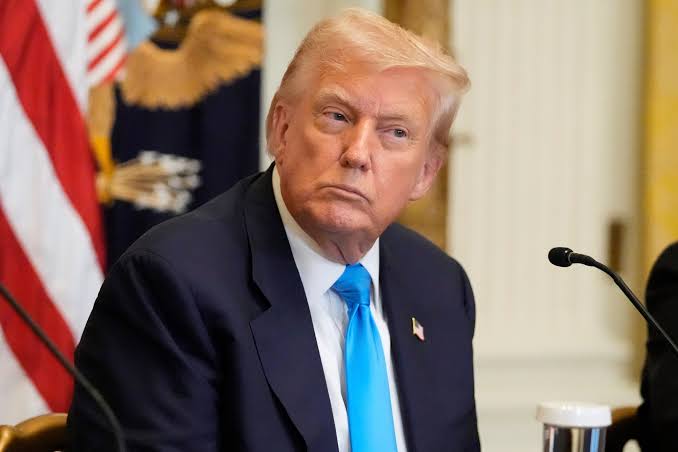
Speaking after a meeting with Ukrainian President Volodymyr Zelensky, Trump said his decision to double tariffs on Indian imports was part of a broader pressure campaign. He also signaled readiness for a trilateral discussion with Russian President Vladimir Putin and Zelensky to push peace negotiations forward.
White House Press Secretary Karoline Leavitt stressed that the President wanted a swift end to the war. “He has taken actions, including sanctions on India, and made clear he wants this conflict resolved as quickly as possible,” she told reporters.
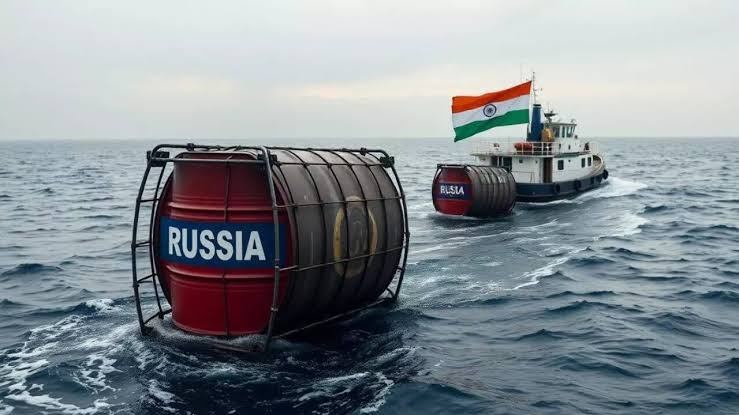 India’s Russian Oil Trade Under Fire
The sanctions spotlight India’s growing role in Russia’s energy market. Before the war, less than 1% of India’s oil imports came from Russia. Today, that figure has climbed to 42%, according to US Treasury Secretary Scott Bessent. He argued that India was “profiteering” by buying discounted Russian oil and reselling it at a premium.
“India made around $16 billion in excess profits. Some of the richest families in India benefited. This is unacceptable,” Bessent told CNBC, contrasting India’s treatment with China’s, which has so far avoided penalties.
Strong Criticism from US Advisors
White House trade advisor Peter Navarro went further, accusing India of enabling Russia’s war through its purchases of oil and defense equipment. In a column for the Financial Times, Navarro called India’s trade “opportunistic and corrosive” to global efforts to isolate Moscow.
“As Russia continues to hammer Ukraine, India’s financial support forces American and European taxpayers to spend billions more on Ukraine’s defense. Meanwhile, India blocks American exports with high tariffs,” Navarro wrote.
Tariffs Double to 50 Percent
Before his meeting with Putin in Alaska, Trump told Fox News Radio that penalties on India played a role in bringing the Russian leader to the negotiating table. He said India, the world’s second-largest buyer of Russian oil, was “fueling the war machine.”
The President imposed an additional 25% levy on top of the existing 25%, effectively doubling tariffs to 50%. “When we told India about the penalty, it essentially took them out of buying oil from Russia,” Trump claimed.
Impact on India-US Relations
The move risks straining ties between Washington and New Delhi, which had been improving in defense and technology cooperation. India has defended its energy imports, arguing they are vital to keeping prices affordable for its population of 1.4 billion.
India has also pointed to its longstanding ties with Russia and its policy of strategic autonomy, resisting pressure from both the West and Moscow. New Delhi has not formally reacted to Trump’s latest remarks, but analysts expect a cautious diplomatic response.
What Lies Ahead?
With Trump pushing for direct talks between Kyiv and Moscow, the role of India in the geopolitical chessboard has come into sharper focus. Whether the sanctions succeed in changing New Delhi’s policy remains to be seen. But for now, the tariffs underscore the deepening link between global energy markets and the Ukraine conflict.
For updates on India’s official responses and US policy directions, readers can follow releases from India’s Ministry of External Affairs and statements from the US Treasury Department.