 Exemptions for Indian Shipments
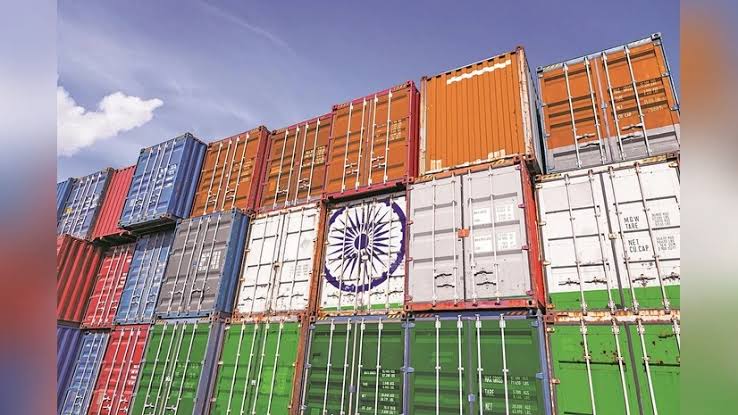
The notice specifies that products will not face the new 50% duty if they meet three conditions:
- The goods were already loaded on a vessel and in transit to the U.S. before August 27, 2025.
- They are cleared for consumption or withdrawn from a warehouse before September 17, 2025.
- Importers declare the special code HTSUS 9903.01.85 to U.S. Customs.
This in-transit exemption aims to minimize disruptions for businesses whose shipments were dispatched before the tariff deadline.
Background to the 50% Tariff
The new tariff builds on previous measures introduced by former U.S. President Donald Trump. Initially, a 25% tariff was imposed on India, citing high trade barriers. Another 25% was added later in response to India’s continued engagement with Russia during the Ukraine conflict.
While these measures pushed Russian President Vladimir Putin into talks with Trump in Alaska, they did not result in a ceasefire in Ukraine. Efforts are still underway to bring Putin and Ukrainian President Volodymyr Zelensky to the negotiating table for a direct meeting.
Trump, addressing reporters on Monday, remarked, “That’s going to be up to them. It takes two to tango, I always say, and they should meet.”
Impact on India-U.S. Trade
The tariff hike is expected to hit Indian exporters across sectors including textiles, pharmaceuticals, and engineering goods. Industry experts warn that the decision could strain economic ties between New Delhi and Washington.
India, which counts the U.S. as one of its largest trading partners, may explore countermeasures or seek diplomatic engagement to soften the impact. According to India’s Ministry of Commerce, bilateral trade in goods and services between the two countries crossed $190 billion in 2023–24, underscoring the significance of the partnership.
Looking Ahead
As the tariff deadline approaches, businesses are scrambling to clear shipments and avoid higher duties. Analysts believe the move could become a key flashpoint in U.S.-India relations, especially with both countries balancing trade, strategic, and geopolitical interests.
The coming weeks will be crucial in determining whether New Delhi negotiates exemptions or counters with its own tariff measures, potentially affecting global supply chains at a sensitive time.