Strengthening Bilateral Ties
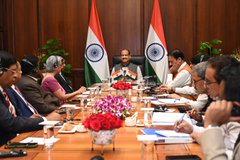
Shri Birla emphasized the deep historical, cultural, and civilisational connections between India and Sri Lanka. Highlighting the significance of Sri Lanka in India’s ‘Neighbourhood First’ policy and ‘Vision SAGAR’, he noted that the recent high-level exchanges—Prime Minister Narendra Modi’s visit to Sri Lanka in April 2025 and Sri Lankan President Anura Kumara Dissanayake’s visit to India in December 2024—marked milestones in bilateral relations.
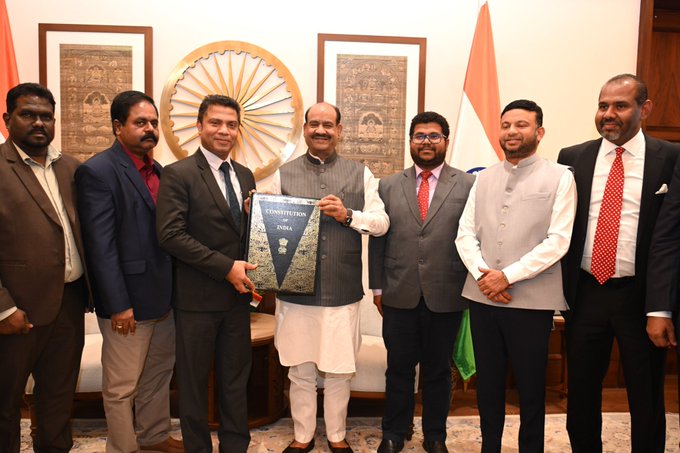 Parliamentary Cooperation and Friendship Association
Welcoming the formation of the India–Sri Lanka Parliamentary Friendship Association in the Sri Lankan Parliament, Shri Birla called it a positive step to strengthen ties. He stressed the importance of institutional cooperation and regular parliamentary dialogue to share democratic practices and experiences, further reinforcing democratic values.
Cultural and People-to-People Links
Shri Birla highlighted the shared heritage of India and Sri Lanka, citing Ramayana and Buddhist tourism circuits, cultural exchanges, and growing people-to-people contacts as key pillars of bilateral relations. These initiatives, he said, provide a strong foundation for continued collaboration in multiple sectors.
Digital Innovations and AI in Parliament
The Speaker noted India’s adoption of AI technology and digital innovations in Parliament, enhancing transparency, efficiency, and paperless proceedings. Shri Birla also shared the role of PRIDE in capacity-building programs for legislators from over 110 countries and expressed India’s readiness to share these innovations with other nations.
Sri Lanka’s Appreciation
Dr. Nalinda Jayatissa expressed gratitude to India for being the first responder during Sri Lanka’s economic crisis and praised India’s role in ensuring peace and stability in the Indian Ocean region. He also acknowledged India’s cooperation in health and education, describing it as a lifeline for Sri Lanka.
Focus Areas of Cooperation
India–Sri Lanka cooperation is increasingly centered on investment-led development, trade, tourism, education, and cultural exchanges. Recent agreements cover defence, energy, health, communications, and religious tourism, reflecting the multi-dimensional partnership between the two nations.