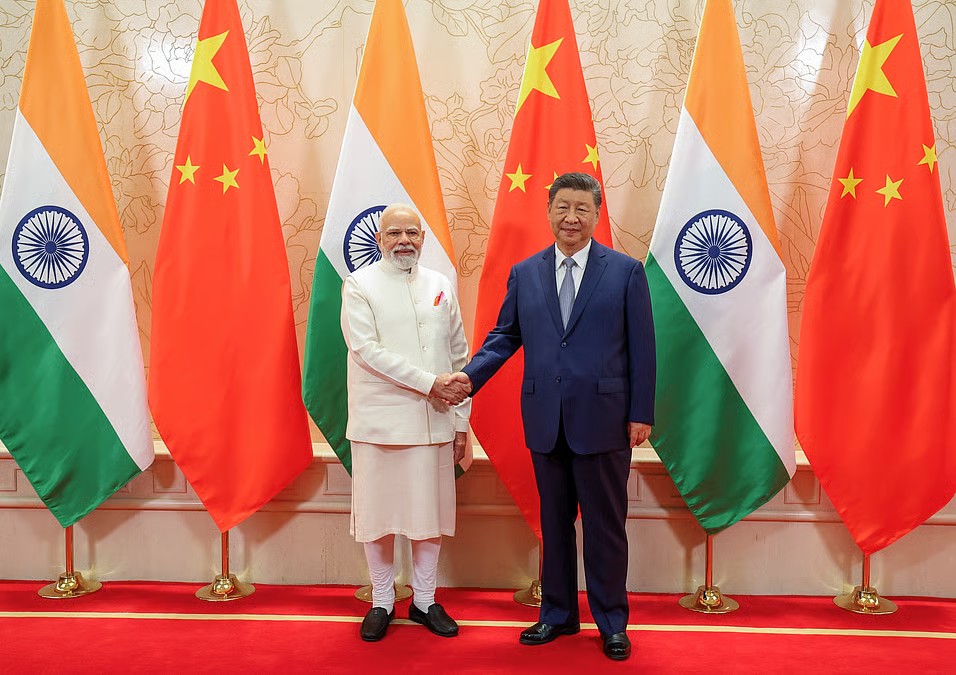
Congress Links Talks to Galwan Clash
Congress general secretary in-charge of communications Jairam Ramesh invoked the June 2020 Galwan Valley clash, where 20 Indian soldiers lost their lives, to highlight what he called the government’s failure to hold China accountable. He recalled that soon after the incident, the Prime Minister had remarked that “no one had entered our territory,” which the Congress leader described as a “clean chit” to Beijing.
“Despite the Army Chief’s call for restoration of the status quo in Ladakh, the Modi government has moved forward with reconciliation, effectively legitimising Chinese territorial aggression,” Mr. Ramesh said in a post on social media platform X.
 China-Pakistan Axis Raises Concerns
The Congress also raised alarm over China’s close partnership with Pakistan. Citing remarks by Deputy Chief of Army Staff Lt. Gen Rahul Singh on July 4 during Operation Sindoor, Ramesh said the government had failed to respond adequately to this “unholy alliance.” Instead, he argued, it was rewarding Beijing with state-level engagements.
Unanswered Issues: Hydel Project and Imports
The Opposition flagged Beijing’s announcement of a massive hydropower project on the Yarlung Tsangpo river, which could impact water security in India’s Northeast. “The Modi government has not spoken a word on this critical matter,” Ramesh claimed.
He also criticised what he described as the “uncontrolled dumping” of Chinese imports into Indian markets, which, according to him, is hurting small and medium enterprises. “Unlike other countries, we have allowed Chinese importers free rein,” he added.
PM Modi Emphasises Long-Term Vision
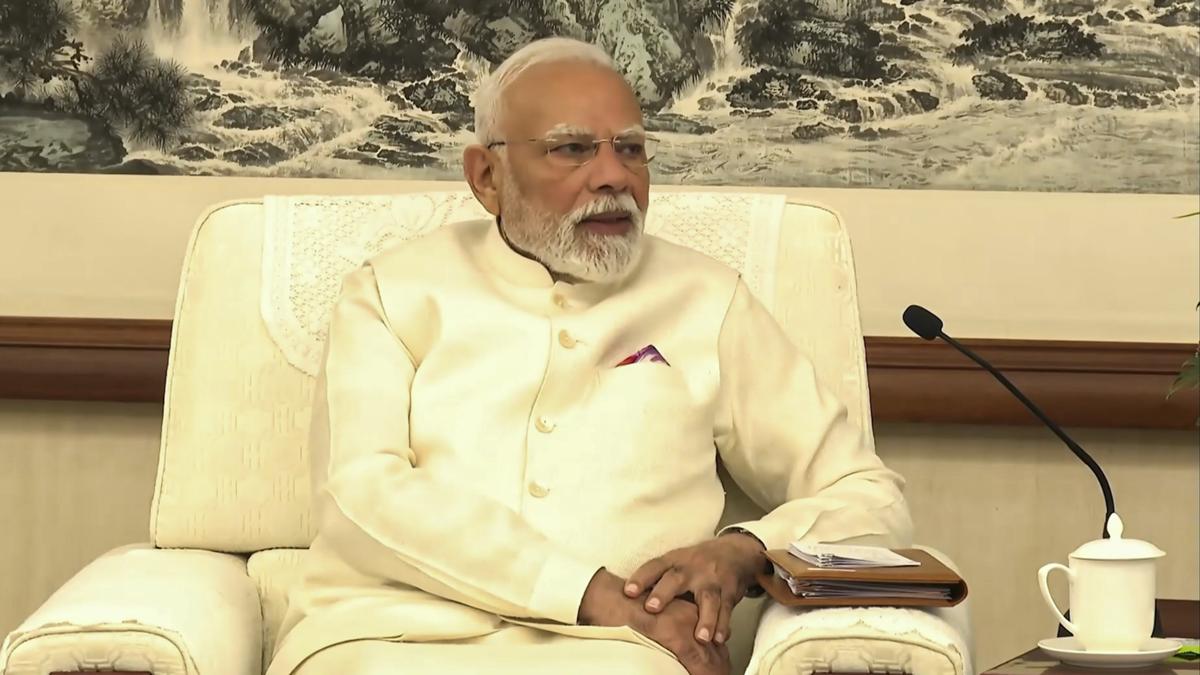
During his televised opening remarks, Prime Minister Modi noted that both nations must manage ties with a long-term perspective. He stressed that strengthening cooperation was essential for regional and global stability. Chinese President Xi Jinping, for his part, called for handling the relationship from a “strategic and long-term” viewpoint.
The talks were held on the sidelines of the Shanghai Cooperation Organisation (SCO) summit in Tianjin, amid a complex backdrop of trade frictions and shifting global alliances. Analysts say that while both leaders sought to project stability, tensions from unresolved border disputes continue to shadow the relationship.