India’s Growing Biomanufacturing Footprint
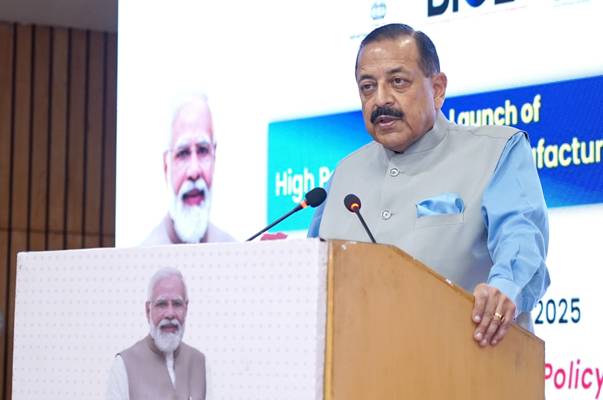
Speaking at an industry–academia meet organised by the Department of Biotechnology (DBT) and BIRAC, Dr. Singh highlighted that India now accounts for 21 of the 121 Bio-Companies worldwide. He described this as a milestone for a country that once lagged but is now among the first movers in adopting institutionalised biomanufacturing policy.
The Minister linked this effort to the larger Atmanirbhar Bharat vision, underscoring that biomanufacturing will cut dependence on imports and strengthen India’s global standing. He predicted biotechnology could mirror the role of IT in the 1990s, becoming the new growth driver for “Viksit Bharat.”
 What the BioEnabler Facilities Offer
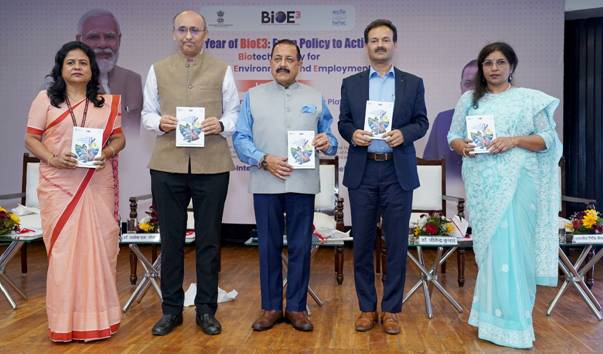
The newly announced platforms provide shared infrastructure for startups, small and medium enterprises, academia, and industry. They span a wide range of fields, including:
- Microbial biomanufacturing and smart proteins
- Sustainable agriculture and functional foods
- Carbon capture and marine biotechnology
- Cell and gene therapies, including CAR-T technology
- Precision medicines such as mRNA-based treatments
These facilities include pilot-scale plants for specialty chemicals, GMP-grade setups for gene vectors, fermentation hubs, and labs for monoclonal antibodies and enzymes.
From $10 Billion to $300 Billion
India’s bioeconomy has grown nearly tenfold, from about $10 billion a decade ago to close to $100 billion today. The government now targets $300 billion by 2030, supported by over 13,000 biotech startups and nearly 100 incubators under BIRAC. Dr. Singh emphasised that “BioEnablers are the foundation of India’s next wave of growth, empowering scientists and entrepreneurs to move from labs to markets.”
Industry–Academia–Government Synergy
DBT Secretary Dr. Rajesh S. Gokhale called the BioE3 launch a “pioneering step” for sustainable biomanufacturing. Industry leaders also stressed the importance of government-backed facilities in frontier technologies such as synthetic biology, marine biofoundries, CAR-T cell therapy, and probiotics.
Entrepreneurs, however, pointed to challenges including regulatory hurdles, gaps in large-scale indigenous production, and the need for stronger global collaborations. Responding to these, Dr. Singh urged companies to attract global investors and focus on leadership in futuristic technologies, not just replication.
Strategic Importance of Biomanufacturing
The Minister linked biomanufacturing to India’s strategic goals of reducing petroleum imports, improving food security, and boosting healthcare. He also emphasised the importance of outreach and youth engagement, recalling Prime Minister Modi’s mention of the BioE3 Policy in his Independence Day address as proof of biotechnology’s national priority.
“Just as IT became a buzzword in the 1990s, biotechnology will shape India’s growth story in the coming decades,” Dr. Singh said.