Why This Eclipse Matters
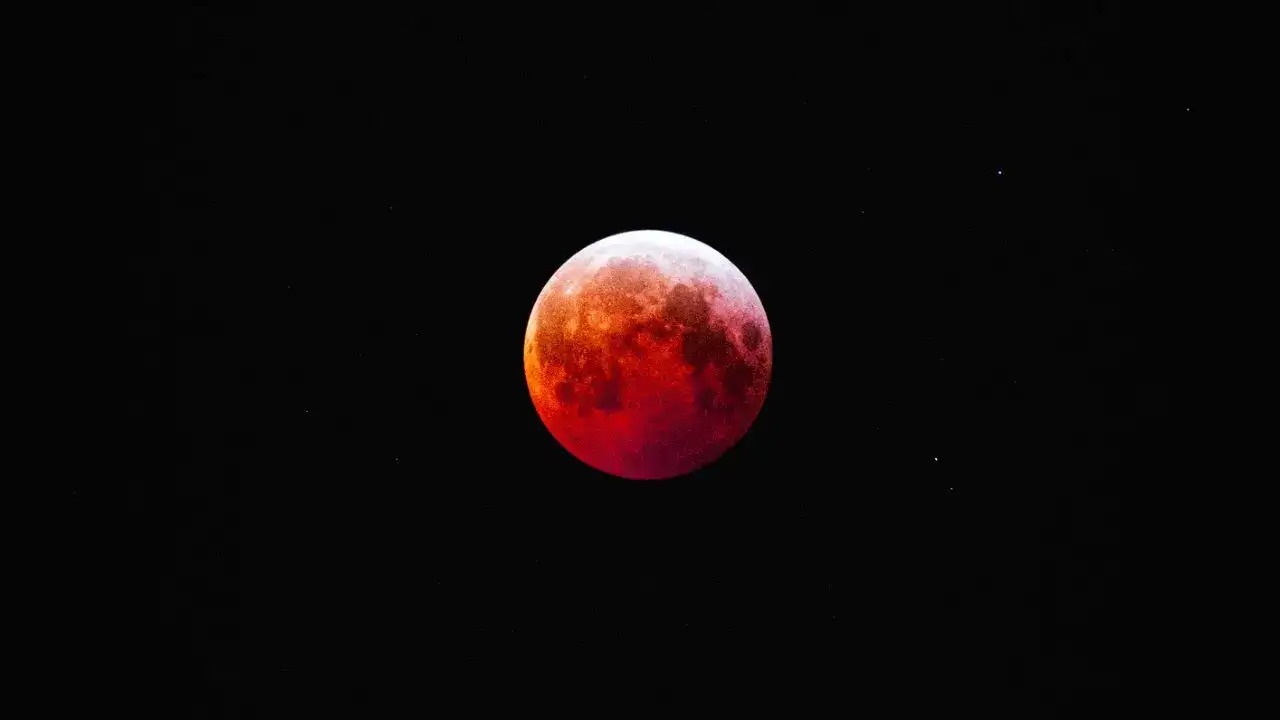
According to NASA, lunar eclipses occur when Earth comes between the Sun and the Moon, casting a shadow that sometimes turns the lunar surface a deep red. While the astronomical event fascinates scientists and stargazers, in Sanatan Dharma it carries profound spiritual importance.
This year’s eclipse coincides with Pitru Paksha, a period when families perform Shraadh rituals to seek blessings for their ancestors. Scriptures suggest that performing rituals before the eclipse’s Sutak Kaal ensures divine grace and peace for departed souls.
 Sutak Kaal Timings
As per Drik Panchang, Sutak Kaal—the inauspicious period before an eclipse—begins nine hours prior. For this lunar eclipse, Sutak starts at 12:59 pm on September 7 and remains in effect until the eclipse ends early on September 8.
During Sutak, it is customary to avoid cooking, eating fresh food, conducting religious ceremonies, or initiating new ventures. Temples remain closed, and devotees are advised to focus on meditation and mantra chanting.
Restrictions During Sutak
- Food: Cooking and eating are avoided; prepared food is kept covered.
- Ceremonies: Weddings, havans, and pujas are postponed.
- Travel: Traditionally discouraged unless absolutely necessary.
- Religious Practices: Idols should not be touched, and temple rituals are suspended.
- Pregnant Women: Advised to stay indoors and avoid using sharp objects.
What to Do After the Eclipse
Once the eclipse ends, households typically discard leftover food and prepare fresh meals. Items such as grains and pickles are protected with Kusha grass or Tulsi leaves. A ritual bath is recommended to purify the body and mind, followed by acts of charity.
Donations vary based on personal needs—milk and clothes for children’s blessings, rice and sugar for household harmony, pearls for career advancement, or silver for healing. Such offerings are believed to restore balance and attract prosperity.
A Blend of Science and Spirituality
While astronomers will marvel at the rare Blood Moon, spiritual practitioners will observe age-old traditions that blend faith with cosmic events. This unique overlap of Chandra Grahan and Pitru Paksha serves as a reminder of the deep interconnection between celestial movements and cultural practices in India.