 The Petition for Restoration
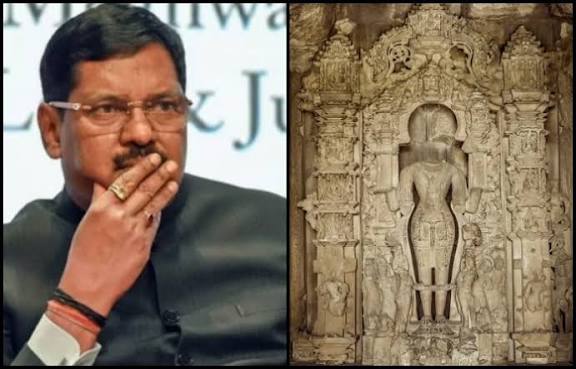
The petition, filed by devotee Rakesh Dalal, sought restoration of a seven-foot-tall Vishnu idol at the UNESCO-protected Javari temple in Madhya Pradesh. The idol was beheaded centuries ago during Mughal invasions and has remained desecrated for generations. Dalal argued that restoration was not just an archaeological matter but a question of faith and the constitutional right of Hindus to worship their deities in wholeness.
Senior Advocate Sanjay M Nuli, representing the petitioner, urged the Court to direct the Archaeological Survey of India (ASI) to undertake the restoration. He pointed out that despite decades of representations, governments have failed to act, leaving devotees without recourse.
‘Go and Pray’ — The Controversial Remark
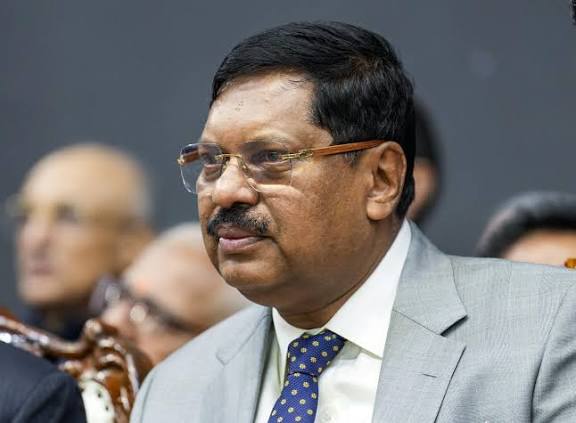
Instead of a legal response, the CJI dismissed the plea as “publicity interest litigation” and told Dalal, “You say you are a staunch devotee of Lord Vishnu. So go and pray now.” The remark was met with disbelief among Hindu groups, who argued it trivialised centuries of persecution and undermined constitutional guarantees of religious freedom.
Critics noted that such sarcasm is rarely, if ever, directed toward minority communities. They warned that this selective insensitivity risks normalising Hinduphobia within India’s highest institutions.
Secularism and Double Standards
The incident has reignited debate on the asymmetry of Indian secularism. Observers contrasted the judiciary’s swift interventions in minority grievances with its dismissive stance toward Hindu petitions. For example, the Supreme Court recently stayed provisions of the Waqf Amendment Act 2025, safeguarding disputed lands, even as pleas for Hindu idol restoration are mocked.
Activists argue that while minorities often resort to street protests, Hindus rely on constitutional remedies, only to be met with ridicule. “The message is dangerous—violence gets respect, lawful petitions invite mockery,” said one legal analyst.
Implications for the Judiciary
Legal experts stressed that if the matter was outside the Court’s jurisdiction, the bench could have simply directed the petitioner to approach the ASI. Instead, the mocking remark, they argued, undermines judicial dignity. “If prayer is the answer, why have courts at all?” asked a constitutional scholar.
By dismissing the plea with derision, critics say the judiciary risks alienating the Hindu majority and eroding faith in institutions. The remark, they argue, echoes centuries-old taunts used to belittle Hindu deities during foreign rule.
The Larger Civilisational Context
Many see the controversy as symbolic of a deeper struggle over cultural justice. While Ram Lalla was accepted as a litigant in the Ayodhya case, the plea for Vishnu’s restoration was laughed off. Devotees argue this inconsistency reflects institutional bias against Hindu causes.
For now, the Vishnu idol at Khajuraho remains mutilated, a reminder of historical wounds yet to be healed. The Court’s response has left many Hindus feeling not just unheard, but mocked in their own land.