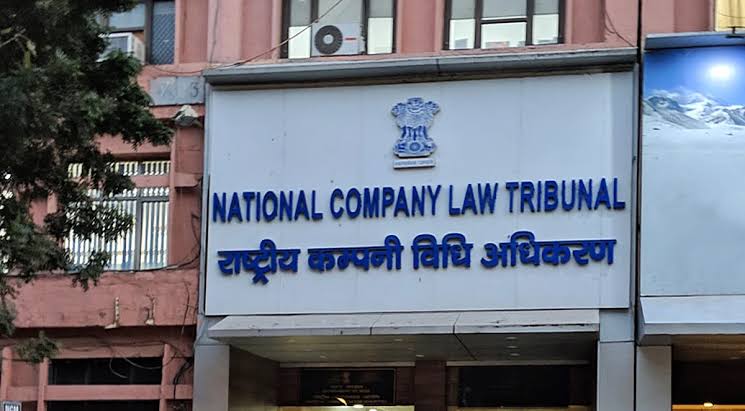
 The petitions were originally filed under Sections 433(e), 434, and 439 of the Companies Act, 1956, by creditors alleging that the company was unable to pay its debts. While proceedings were pending before the High Court, an application was made seeking transfer of the matter to the tribunal, given the subsequent establishment and jurisdiction of NCLT over corporate insolvency and winding-up cases.
Accepting the request, the Delhi High Court observed that NCLT is the appropriate forum to address the claims and initiate corporate insolvency resolution processes, ensuring compliance with the updated insolvency framework under the Insolvency and Bankruptcy Code (IBC). The court further noted that such transfers promote consistency and efficiency in handling cases of corporate financial distress.
The ruling carries significant implications for creditors and investors associated with Vigneshwara Developwell Pvt Ltd. With the matter now before the NCLT, creditors can pursue their claims within the specialized framework designed to address debt recovery, restructuring, or liquidation.
Legal experts highlight that the transfer underscores the judiciary’s intent to streamline corporate insolvency proceedings. Since the enactment of the IBC in 2016, NCLT has been empowered to take over pending winding-up cases from various High Courts to maintain a uniform approach across jurisdictions. This has helped reduce delays and overlapping litigation.
Cases like this are crucial for stakeholders in India’s real estate and corporate sectors, where delays in debt recovery often affect not only creditors but also homebuyers and small investors. By directing the petitions to NCLT, the Delhi High Court has reinforced the tribunal’s role as the central authority for resolving corporate insolvency issues.