
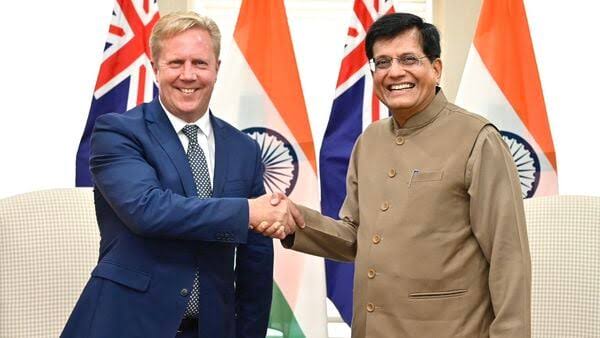
 Strong Momentum in Trade Growth
Bilateral trade between India and New Zealand has been steadily expanding. According to official data, merchandise trade stood at USD 1.3 billion in FY 2024–25, a sharp rise of 49 percent compared to the previous year. This surge has set a positive backdrop for the FTA, which is expected to unlock further opportunities across agriculture, technology, services, and manufacturing.
The agreement also holds the potential to strengthen supply chain resilience and open new avenues for collaboration in emerging sectors. Both sides emphasized that the framework must remain balanced and mutually beneficial, ensuring gains for farmers, businesses, and consumers alike.
Queenstown Round Delivers Key Progress
The third round of negotiations, held from 15–19 September, covered a wide range of topics including market access, investment promotion, rules of origin, and intellectual property. Officials noted that multiple chapters had reached closure, while others advanced significantly toward conclusion.
In a joint statement, representatives from both delegations affirmed their resolve to keep the momentum going through inter-sessional work before the next in-person round. The fourth round of negotiations is scheduled for 13–14 October 2025 in New Delhi.
Political and Strategic Backing
The FTA discussions are being guided at the highest political levels. Prime Minister Narendra Modi and Prime Minister Christopher Luxon have repeatedly highlighted the importance of deepening bilateral engagement, not just for trade but also for broader regional stability and cooperation in the Indo-Pacific.
Commenting on the talks, Indian officials underlined that the agreement would open opportunities for Indian exporters in New Zealand’s high-value markets, while providing New Zealand businesses access to India’s fast-growing economy. The pact also reflects New Zealand’s strategic push to diversify its trade partnerships in Asia.
Next Steps and Future Outlook
With the next round scheduled in New Delhi, negotiators are expected to intensify discussions on pending chapters and technical issues. The goal remains to conclude the agreement at the earliest, while ensuring it addresses sensitivities on both sides.
Experts believe that the India–New Zealand FTA could become a model for new-generation trade agreements, emphasizing sustainability, digital trade, and inclusive growth. Both sides have agreed to ensure that the framework supports small businesses, creates jobs, and enhances consumer choice.