Celebrating India’s Food Diversity and Demand
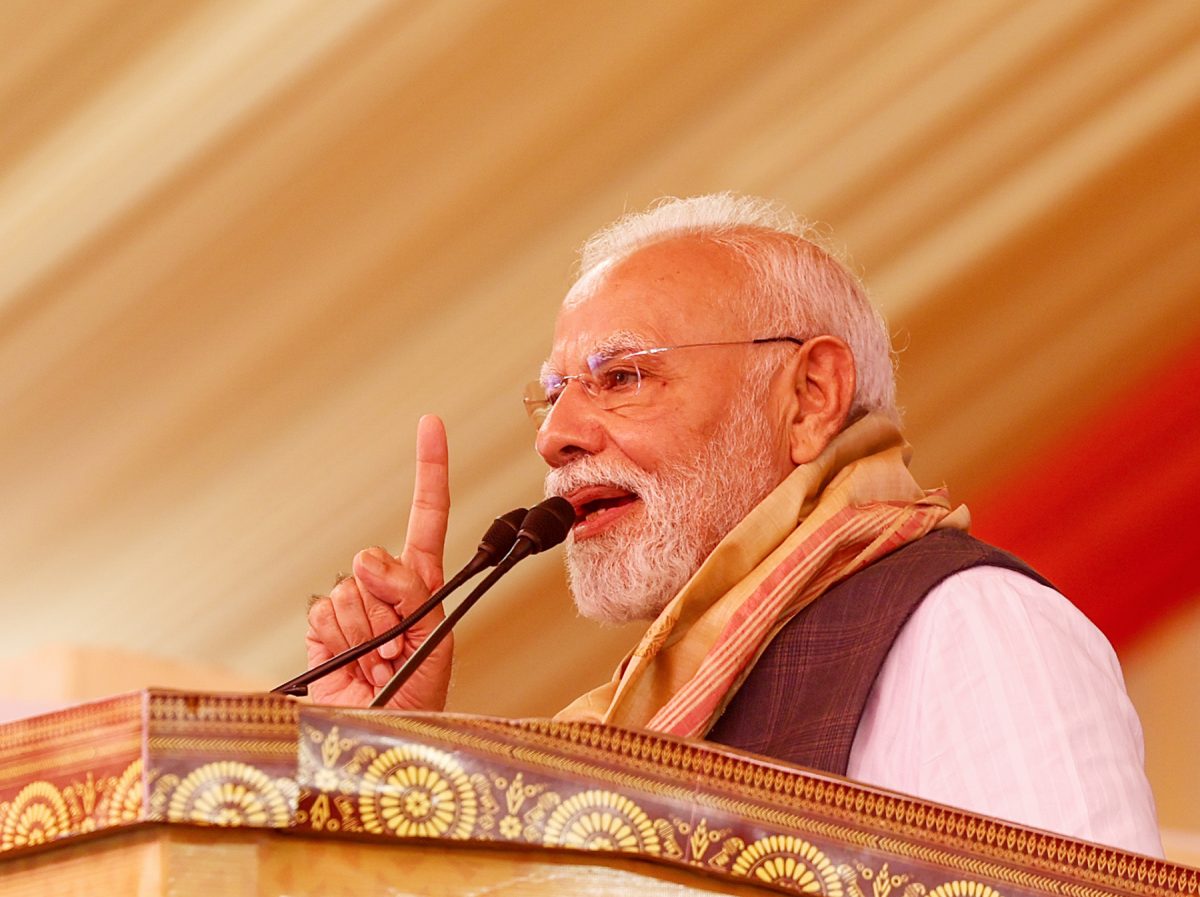
PM Modi welcomed delegates, investors, entrepreneurs, and farmers from India and abroad. He observed that India’s agricultural diversity, coupled with strong domestic demand, makes it an attractive destination for global investors. “Every 100 kilometers in India brings a new flavor, a new cuisine,” he remarked, highlighting the nation’s culinary diversity and the potential it offers for the food sector.
The Prime Minister underlined that India’s rising middle class, which emerged from the past decade’s progress in reducing poverty, drives increasing food consumption trends, making India a critical player in global food markets.
Innovation and Start-Ups in Food and Agriculture
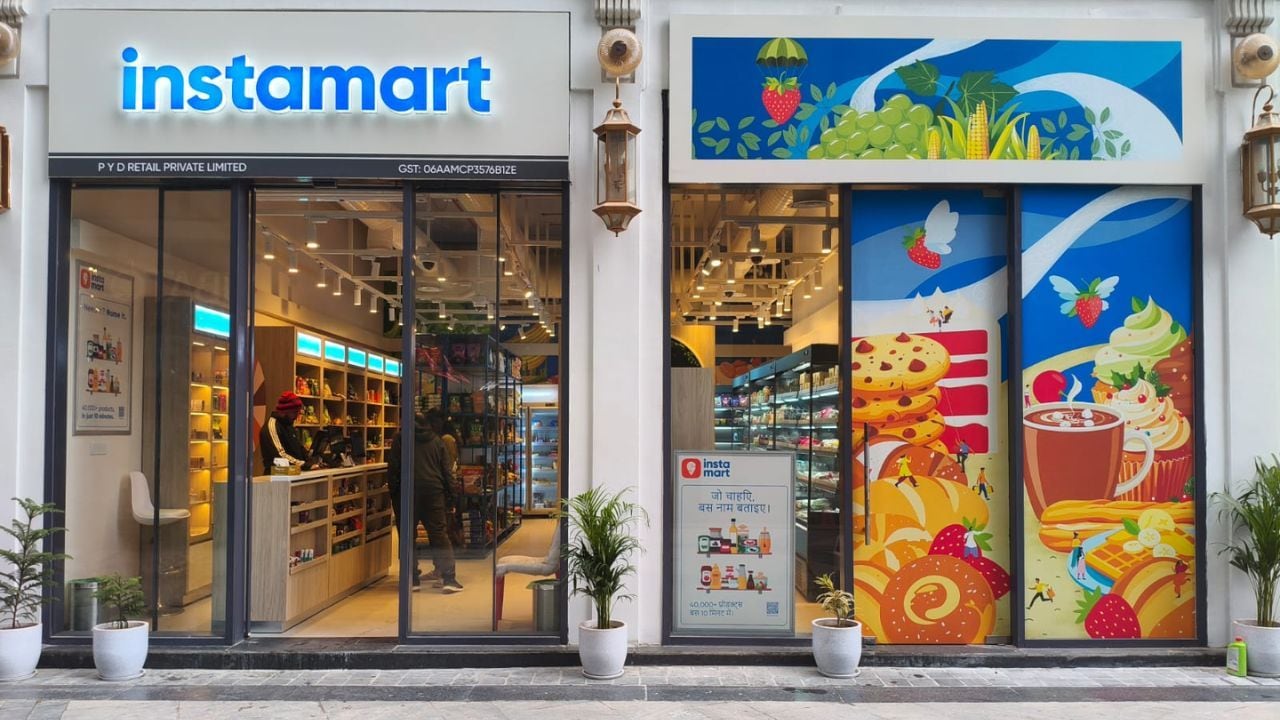
India is now the world’s third-largest start-up ecosystem, and many start-ups focus on the food and agriculture sectors. PM Modi noted that technologies like AI, e-commerce, drones, and apps are transforming supply chains, retail, and food processing. This innovation ecosystem, combined with India’s diversity and demand, strengthens the country’s position as a preferred investment destination.
 Strengthening Food Processing and Supply Chains
The Prime Minister highlighted government initiatives that encourage investment in food processing, including 100% FDI, PLI schemes, and the expansion of mega food parks. India now has one of the largest storage infrastructure systems globally, and the country’s food processing capacity has increased twentyfold over the past decade. Processed food exports have more than doubled, demonstrating the sector’s growing potential.
PM Modi also emphasized the importance of small and marginal farmers, noting that over 85% of Indian farmers fall into this category. Policies and support systems have empowered them to become significant contributors to the market through FPOs and small-scale processing units, boosting rural income and employment.
Farmers’ Producer Organizations and Cooperatives
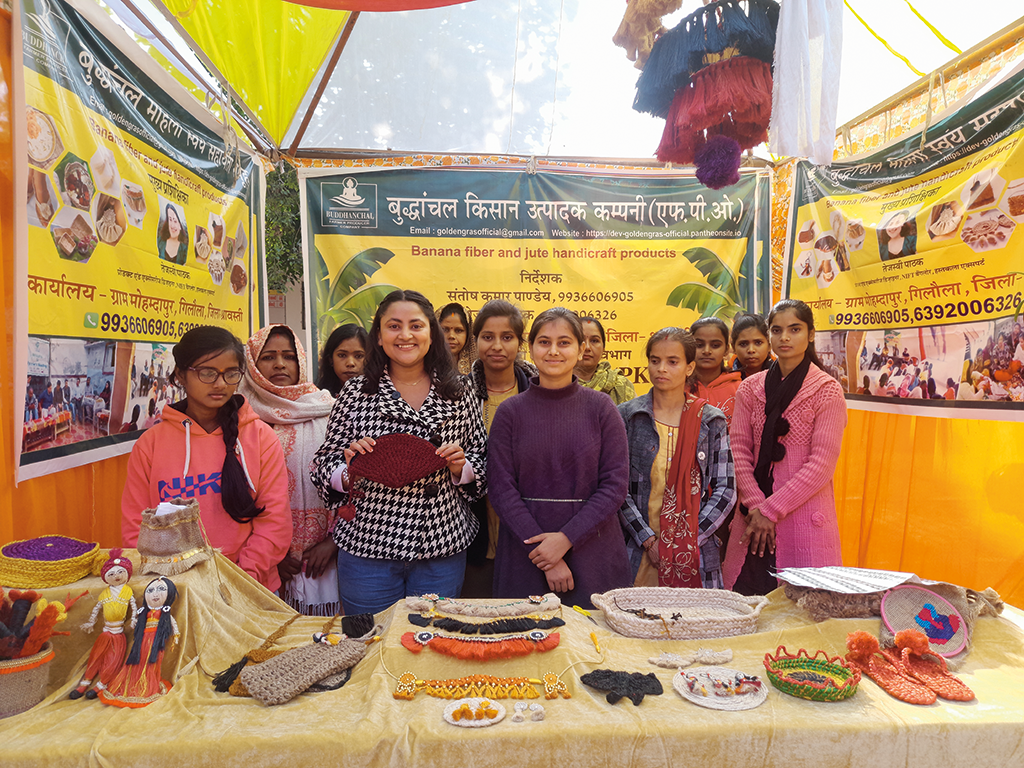
Since 2014, India has created over 10,000 FPOs, enabling millions of small farmers to reach markets efficiently and develop branded products. More than 15,000 products from FPOs are available on online platforms, ranging from Kashmiri basmati rice to Kerala banana chips. Over 1,100 FPOs have become millionaires, reflecting their economic success and contribution to rural employment.
Cooperatives also play a key role, particularly in the dairy and rural economy sectors. 2025 being the International Year of Cooperatives, PM Modi stressed that India has strengthened its cooperative sector through dedicated ministries, tax reforms, and transparency measures.
Marine, Fisheries, and Modern Technology
India’s marine and fisheries sector has grown substantially over the past decade, employing around three million people. Government support for deep-sea fishing boats, modern processing plants, cold chains, and smart harbors has expanded production and exports. Investments in technologies like food irradiation have improved product shelf life and strengthened food security.
GST Reforms and Biodegradable Packaging
PM Modi highlighted the impact of next-generation GST reforms, reducing tax rates on dairy, ready-to-consume products, and bio-pesticides. These reforms benefit farmers, producers, and consumers while enhancing access to nutritious food. The government has also reduced GST on biodegradable packaging from 18% to 5%, promoting sustainable food packaging practices.
Global Collaboration and Investment Opportunities
The Prime Minister invited investors and global stakeholders to collaborate with India in the food sector. Emphasizing India’s openness, he encouraged investment, innovation, and partnerships across the entire food ecosystem, assuring that India remains an attractive destination for sustainable and profitable growth.